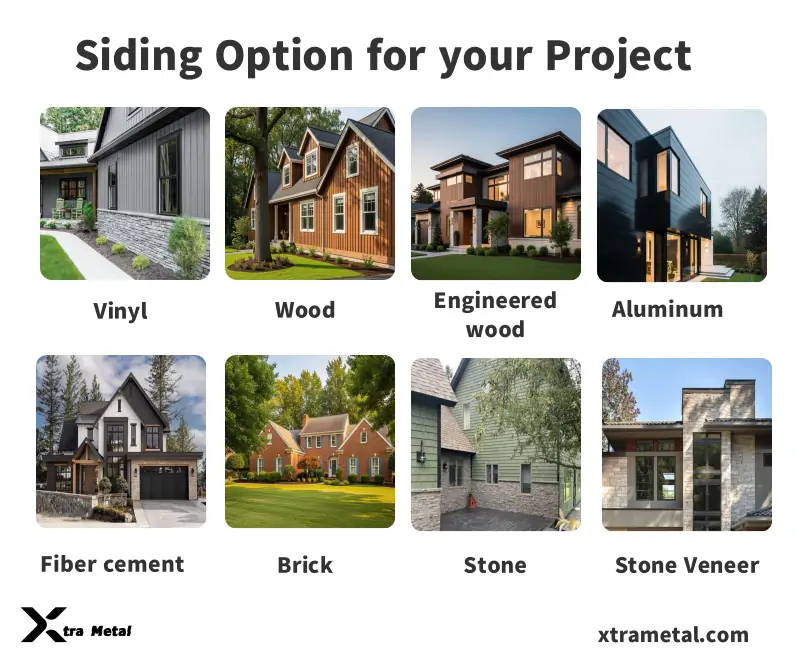
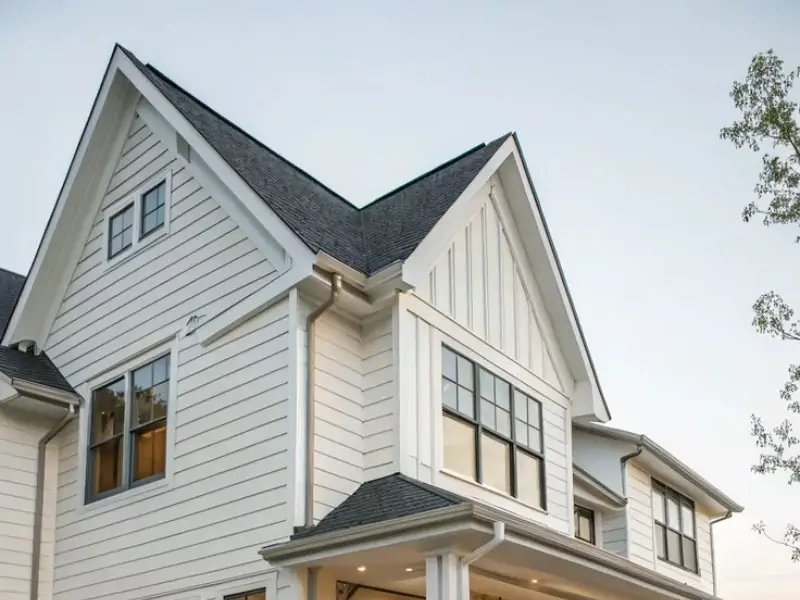
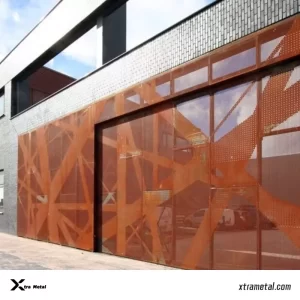
Are you thinking about changing how your house looks?
Traditional exterior wood cladding materials have long been popular, but as sustainability becomes more important in the construction industry, innovative and environmentally friendly cladding alternatives, such as aluminum cladding, vinyl siding, etc, are increasingly in demand.
Here is a simple chart to show how each material matches up:
Cladding Type
Durability & Longevity
Maintenance
Cost
Appearance
Sustainability
Climate Suitability
Aluminum Cladding
50+ years, Class A fire rating
Moderate (wash sometimes)
Medium price, saves money later
Modern, wood-look styles
Recyclable, green options
Works everywhere, great for fire areas
Fiber Cement
40-50 years, Class A fire rating
Low (paint every 10-15 yrs)
Medium to high price
Many colors and textures
Some recycled parts
Good for wet, fire, or mixed weather
Composite Siding
30-50 years, Class B fire rating
Very low (just clean)
High price at first, cheap to keep
Faux wood, many looks
Often recycled stuff
Most places, not super hot
Vinyl (PVC) Siding
20-30 years, Class C fire rating
Minimal (clean, maybe repaint)
Cheap choice
Lots of colors, wood-look
Some recyclable
Mild or medium weather
Brick/Stone Cladding
50+ years, natural fire resistance
Very low (check mortar)
High price at first, cheap to keep
Classic, never out of style
Natural, lasts long
All weather, even harsh
Engineered Wood
30-50 years, better fire resistance
Low (paint every 5-10 yrs)
Medium price
Real wood look
Uses wood fibers
Most places, not super wet
Plastic-Based Siding
40-60 years, Class C fire rating
Minimal (wash once a year)
Low to medium price
Many colors and textures
Some recycled stuff
Mild or medium weather
Concrete/Cement
50+ years, Class A fire rating
Low (wash, paint every 10 yrs)
High price at first, cheap to keep
Modern, textured
Some recycled parts
All weather, even very tough
Why Switch from Exterior Wood Cladding?
Maintenance Issues
If you have exterior wood cladding, you know it needs a lot of care. You might find yourself spending weekends cleaning, staining, or sealing your siding. Here are some common problems you could face:
Wood siding is highly flammable, which can be risky in wildfire-prone areas.
Moisture can cause swelling, warping, mold, and rot.
Pests like termites, carpenter ants, and carpenter bees love to make homes in wood.
You need to inspect, clean, and reseal wood often to keep it looking good.
Repairs can get expensive, especially if you have water or pest damage.
Sunlight can fade and weather the color of your siding.
Durability Concerns
Exterior wood cladding does not last as long as some other materials. Wood can warp, crack, or bow if it gets wet or if it is not installed right. Pests and weather can shorten its life even more. Take a look at how wood compares to other cladding options:
Cost Factors
You might think wood is a budget-friendly option, but the costs can add up. The price for exterior wood cladding can range from $3 to $25 per square foot. You also need to pay for labor, which can be $5 to $9 per square foot. Removing old siding adds even more. Plus, you will spend more over time on repairs and upkeep. Other cladding types, like vinyl or composite, often cost less to maintain. If you want a budget-friendly option with lower maintenance, wood siding alternatives might be the best choice for your home.
Aluminum Cladding
Pros and Cons
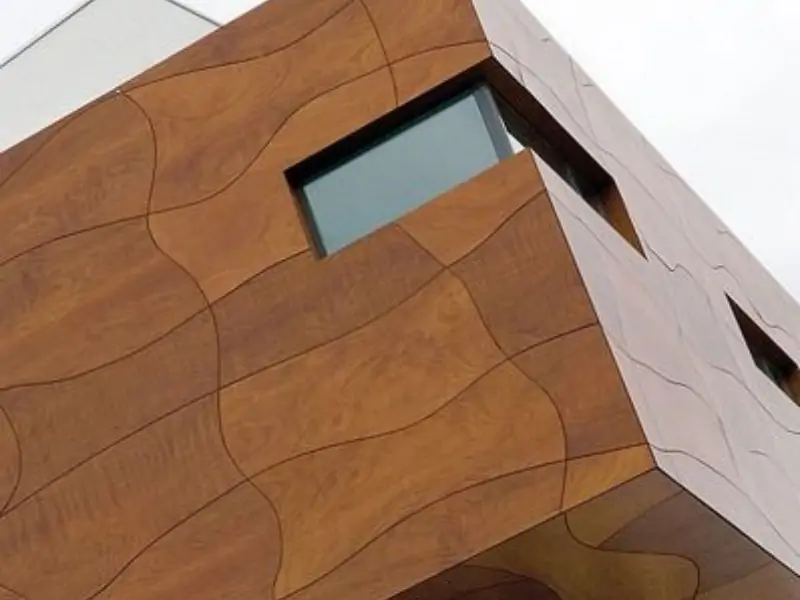
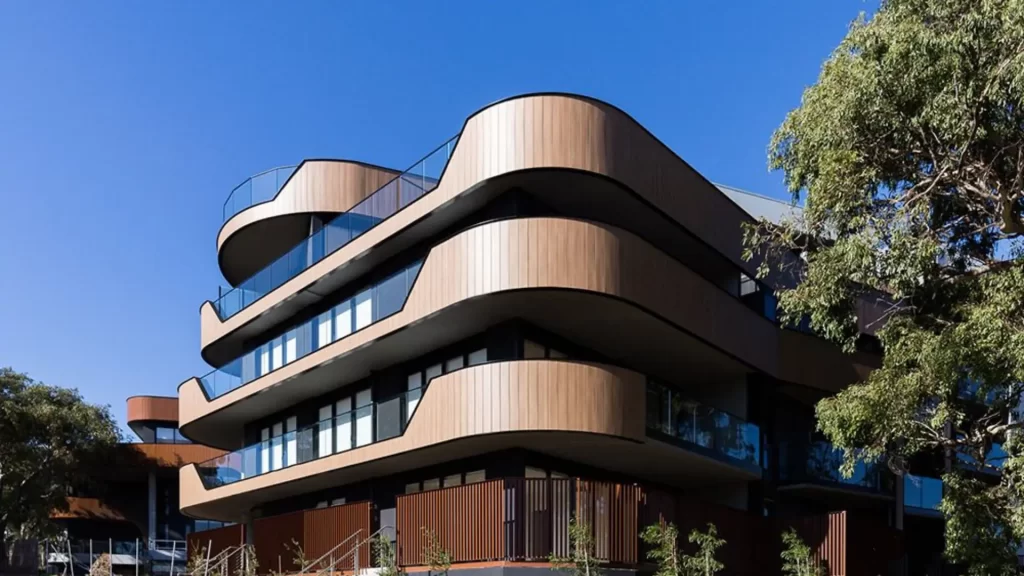
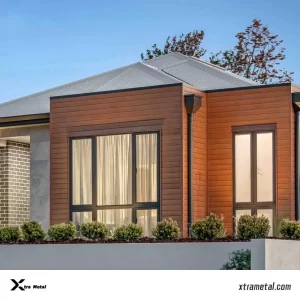
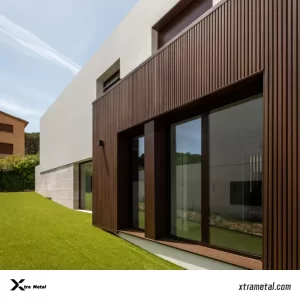
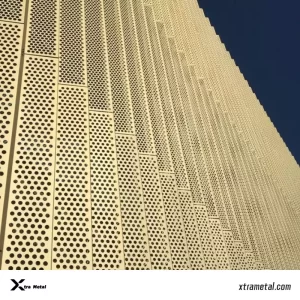
Aluminum cladding gives a modern look and strong protection. It does not rust, burn, or attract pests. Some brands offer faux wood siding finishes, so you get wood’s look without the work. Aluminum is light and works in many places.
It looks like faux wood siding, but it is made from metal. Many people like that it looks like real wood. You do not need to worry about termites, rot, or fire. The panels last for many years and handle bad weather. There are lots of wood-like styles and colors to pick from. But aluminum cladding can get dents if hit hard. Some people think it feels less cozy than real wood. If you look closely, you might see it is not real wood. Most people cannot tell from far away.
Aluminum cladding uses special printing to copy real wood grain. You get deep color and texture that looks like wood. There are many finishes, so you can match your style. Faux wood siding panels look good on all kinds of homes. You can choose oak, cedar, or bright colors.
Maintenance
This siding is very easy to take care of. You do not need to paint or seal it. Just wash it with water if it gets dirty. Metal siding does not mold, bend, or lose color. Faux wood siding keeps its look for many years.
Sustainability
If you want to help the planet, aluminum cladding is a good pick. This siding can be recycled and uses less energy to make. You help cut down on waste and support green choices. Faux wood siding made from aluminum gives you a wood look that is eco-friendly.
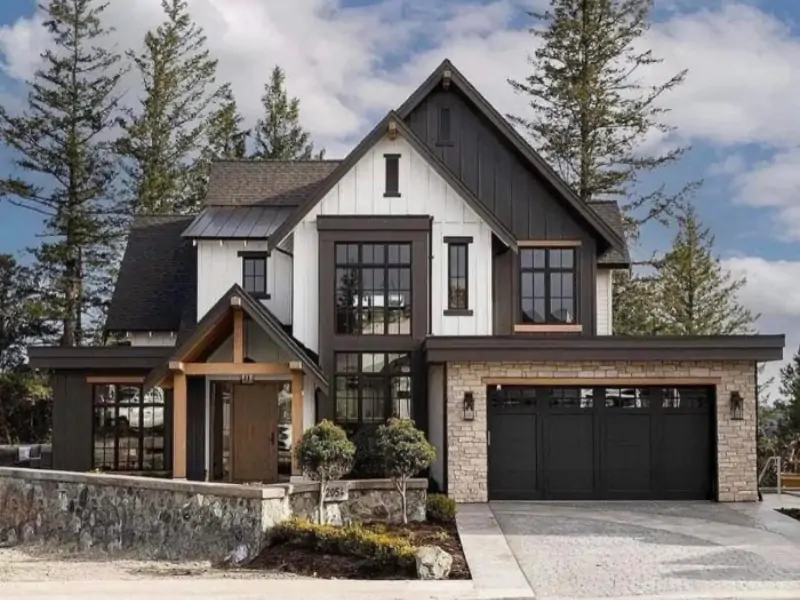
You might like fiber cement siding if you want tough cladding for your home. This siding stands up to fire, wind, and pests. It does not rot or warp like wood. You can pick from many styles and colors, so it fits almost any house. Some fiber cement cladding even looks like wood or stone. You get a long lifespan—up to 50 years with good care.
But there are a few things to watch out for. Fiber cement siding is heavy. You need special tools and skilled workers to install it. If you do not install it correctly, water can get in and cause problems. You also need to repaint it every 10 to 15 years. The manufacturing process creates more CO2 than some other cladding options.
Here’s a quick look at how fiber cement siding compares to brick:
Feature
Fiber Cement Siding
Brick Siding
Cost
More affordable ($4-$15/sq ft, avg. $10)
More expensive ($9-$28/sq ft, avg. $15)
Durability
Highly durable; overlapping panels prevent water seepage
Durable but mortar joints can degrade over time
Installation
Easier than brick; requires skill and special tools
More complicated and time-consuming
Maintenance
Needs repainting every 10-15 years; occasional cleaning
Mortar repointing needed but infrequent; annual cleaning
Energy Efficiency
Low R-value (~0.37)
Slightly better R-value (~0.44)
Environmental Impact
Less eco-friendly; high CO2 emissions in manufacturing
More eco-friendly; made from natural materials
Aesthetic Options
Many styles and colors; mimics wood, stone, brick
Traditional brick appearance
Return on Investment
About 76% ROI
65-75% ROI
Cost and Value
You want to know about the price before you choose cladding. Fiber cement siding usually costs between $5 and $15 per square foot, including labor and materials. Labor can add $2 to $8 per square foot, depending on how hard the job is. For a mid-sized home, you might spend around $15,000. The price can change if you pick panels, planks, or shingles. Panels cost $6.50 to $24 per square foot, planks cost $4.70 to $14.25, and shingles cost $9 to $22. Even though you pay more at first, you save money over time because this siding lasts so long.
Appearance
You can make your home look just how you want with fiber cement cladding. This siding comes in many colors and textures. Some types copy the look of wood, stone, or brick. You can pick smooth or rough finishes. If you want a modern or classic style, you will find a fiber cement option that fits. Cement fiberboard can even look like cedar shakes or lap siding.
Maintenance
You do not have to do much to keep fiber cement siding looking good. Wash it with a hose if it gets dirty. Every 10 to 15 years, you should repaint it to keep the color fresh. This cladding does not need sealing or special cleaners. It does not attract bugs or mold. If you install it right, you will not have to worry about water damage.
Sustainability
You might wonder about the environment. Fiber cement siding uses cement, sand, and cellulose fibers. Making cement fiberboard does create more CO2 than some other cladding. Still, the long life of this siding means you will not replace it often. Some brands now use recycled materials to help with sustainability. If you want a balance between durability and eco-friendliness, fiberboard siding is a solid choice.
Fiber Cement Siding Wall For House
Composite Siding Alternatives
Pros and Cons
When you pick composite cladding, you get many good things. It costs less at first than some other types. You can put it up fast, so you save on labor. Composite siding keeps out water, bugs, and rot better than wood or vinyl. There are many styles, like faux wood siding that looks real.
But there are some bad points too. Some composite siding does not last as long and can peel or rot if not put up right. You might have to repaint it more, especially if the paint was put on at your house. Woodpeckers can make holes in it. Fixing it can be hard and cost more.
composite siding for house exterior wall.
Cost and Value
Composite cladding is a good deal for your money. It costs more than vinyl at first, but you save later. Composite siding lasts longer and needs less work. You also pay less for repairs than with wood. Most composite cladding lasts 30 to 50 years. This is longer than vinyl siding or most wood cladding. If you want something strong and nice-looking, composite siding is a smart buy.
Appearance
You have lots of choices with composite cladding. It comes in many colors, shapes, and textures. Faux wood siding is very popular and looks like cedar or pine. You can also get composite siding that looks like stucco or stone. The color stays bright for a long time. The finish does not fade as fast as vinyl.
Maintenance
Taking care of composite cladding is easy. Wash it with water when it gets dirty. You do not need to paint or seal it much. Some cheaper composite siding may need more care. But most brands look good with little work. Composite cladding does not crack or bend like wood. It stands up well to bad weather.
Sustainability
Composite cladding is often made from recycled stuff, so it is better for the planet. Many brands use wood fibers and plastics that would be thrown away. Faux wood siding made from composite helps save trees and lowers your home’s impact on nature. Some kinds use things that cannot be replaced, but most are still better for the earth than regular wood or vinyl siding.
Vinyl Exterior Siding
Pros and Cons
Vinyl exterior siding is a popular cladding choice for many homes. You get a material that stands up to dents, cracks, and fading. It does not need painting or staining, so you save time on maintenance. You can pick from many colors and textures, even ones that look like wood or stone. Vinyl siding also helps keep pests away and can make your home quieter.
But you should know about the drawbacks. Vinyl siding can crack or warp if the weather changes quickly or if something hits it hard. If it is not installed correctly, moisture can get trapped behind the cladding, leading to mold or rot. Some people worry about the environmental impact because vinyl siding is made from PVC, which does not break down in landfills.
Here’s a quick look at the main points:
Benefits of Vinyl Siding
Drawbacks of Vinyl Siding
Highly durable; resists dents, cracks, warping, and fading
Can crack or warp from temperature changes or impacts
Low maintenance; no painting needed
Improper installation can trap moisture
Cost-effective
Environmental concerns from PVC
Many styles and colors
Colors may fade over time
Pest resistant
May lower resale value compared to premium cladding
Cost and Value
You will find that vinyl siding is one of the most affordable cladding options. The price for materials and installation is lower than many other types of siding. You also save money over time because you do not need to paint or repair it often. If you choose high-quality vinyl cladding, you get a longer lifespan and better value for your money.
Appearance
Vinyl exterior siding gives you lots of choices. You can pick smooth or textured cladding. Some vinyl siding looks just like wood or stone. There are many colors, so you can match your home’s style. Even if you want a bold look, you will find a vinyl cladding that fits.
Inspiring White Vinyl Siding House Ideas
Maintenance
Taking care of vinyl siding is easy. You only need to wash it with a hose or soft brush when it gets dirty. You do not have to paint or seal this cladding. If you install it right and keep it clean, vinyl siding can last for decades.
Sustainability
Vinyl siding has some environmental concerns. It is made from PVC, which does not break down in nature. The process to make this cladding uses chemicals that can harm the environment. Some brands now use recycled materials to help. If you want a greener choice, look for vinyl cladding with recycled content or consider other types of siding.
Brick and Stone Cladding
Pros and Cons
You might love the classic look of brick and stone cladding. These materials give your home a timeless style and strong protection. Here are some things you should know:
Brick cladding offers great fire resistance and keeps your home safe.
Both brick and stone are eco-friendly since they come from natural materials.
You get a boost in resale value because buyers like the look and strength.
These options last a long time and need little care.
But there are some downsides:
Brick and stone cladding cost more to install than other types of siding.
You have fewer design choices compared to vinyl or metal.
You need skilled workers for installation.
If not installed correctly, moisture can cause problems, especially in cold places.
The weight of brick and stone may not work for every house.
stone siding solution
Cost and Value
You will pay more upfront for brick and stone cladding than for vinyl, wood, or fiber cement siding. The price is higher because the materials are heavy and the job takes skill. Even though you spend more at first, you get a smart long-term investment. Brick siding stands out for its durability, low maintenance, and energy efficiency. Stone cladding also lasts for decades. Over time, you save money on repairs and upkeep. Many homeowners see their property value go up after adding this type of cladding.
Appearance
Brick and stone cladding give your home a rich, classic look. You can pick from many shapes, colors, and textures. Stone cladding comes in different tones and patterns, so you can match your style. Brick siding never goes out of fashion. These materials make your house stand out and look solid.
Maintenance
You do not need to do much to keep brick and stone cladding looking good. Wash the surface if it gets dirty. Every few years, check the mortar and fix any cracks. Mortar can wear down over time, so you may need to repoint it. Good water drainage is important to stop moisture damage. If you take care of it, this siding will last for many years.
Sustainability
Brick and stone cladding are some of the most eco-friendly choices. They use natural materials and can often be recycled. Brick siding helps with energy efficiency by keeping your home cool in summer and warm in winter. Stone cladding is also naturally cool, which is great for hot climates. Quarrying stone can affect the environment, but many companies now use better methods. Both types of cladding last a long time, so you do not need to replace them often.
Plastic-Based Siding
Pros and Cons
Plastic-based siding, like uPVC or PVC, has become a popular choice for many homeowners. You might like it because it is tough and lasts a long time. Here are some things you should know:
Pros:
Stands up to rot, warping, pests, and harsh weather. You can expect it to last 40 to 60 years.
Needs very little care. You usually just wash it once a year. No painting needed because the color goes all the way through.
Costs less than wood, brick, or stone siding. You save on both materials and installation.
Comes in many colors and styles. Some even look like real wood or stone.
Newer products use less energy to make and are easier to recycle.
Cons:
Needs careful installation. If not done right, it can warp or buckle.
Does not insulate as well as some other siding types.
It can add to plastic waste if not recycled properly.
Dark colors may get too hot and warp. Very cold weather can make it crack.
Tip: Always hire a pro for installation to avoid problems with warping or cracking.
Cost and Value
You will find plastic-based siding is one of the most budget-friendly options. The price for materials and installation is lower than for wood or brick. Because it lasts so long and needs little upkeep, you save money over time. If you want a good value and a long-lasting finish, this siding is a smart pick.
Appearance
You have lots of choices with plastic-based siding. It comes in many colors, shapes, and textures. Some styles look just like wood grain or stone. You can pick a modern or classic look. The color stays bright for years because it is baked in during manufacturing.
PVC Cladding for exterior wall
Maintenance
Taking care of this siding is easy. You only need to wash it with a hose or soft brush once a year. You never have to paint or stain it. If you see any cracks or warping, fix them right away to keep your home looking its best.
Sustainability
Plastic-based siding has improved, but it still has a bigger impact on the environment than wood, brick, or metal. Making it uses chemicals and energy from oil. If not recycled, it can add to plastic waste. Here’s how it compares:
Cladding Material Type
Environmental Impact
Chemical Hazards
Life Cycle Considerations
Additional Notes
Plastic-based siding
High; made from petrochemicals, can cause microplastic pollution
Uses hazardous chemicals; may release toxins
Shorter life cycle, more replacements
Can affect communities near factories
Plant-based materials
Low, natural, and renewable
Fewer hazards
Lasts longer
Better for the planet
Mineral-based materials
Low; natural sources
Some dust during install
Very durable
Good long-term choice
Metal siding
Lower; often recycled
Some risks in making
Durable, low upkeep
Some coatings may have toxins
Fiber cement siding
Energy use is high
Some hazards in making
Durable, low upkeep
Still better than plastic for the earth
If you want a greener home, look for plastic siding made with recycled content and always recycle old panels when you replace them.
Concrete and Cement-Based Cladding
Pros and Cons
If you want tough and long-lasting cladding, concrete and cement-based options might be just what you need. Here’s what you get:
Great durability and can last for decades, even in harsh weather.
Resistant to pests like termites and carpenter ants.
Fire-resistant materials that help protect your home.
Low maintenance compared to wood siding.
Many styles and textures, so you can get the look of wood, brick, or stucco.
But there are some things to think about:
Heavier than most other siding, so your house may need extra support.
Installation is tricky and needs skilled workers.
Prone to cracking or chipping if hit hard.
Costs more upfront than vinyl or wood siding.
Not easy to recycle, which can be a concern for the environment.
Needs cleaning and repainting every 10 years or so.
Concrete and Cement-Based Cladding
Cost and Value
You might wonder about the price. Concrete and cement-based cladding, like cement fiberboard, usually costs more than vinyl or wood. Here’s a quick look at what you might pay in 2025:
Cladding Type
Cost per Square Foot
Fiber Cement Shingles
$5 to $14
Fiber Cement Panels
$6 to $18
Fiber Cement Planks (lap)
$4 to $14
Poured Concrete Walls
$15 to $35
Precast Concrete Panels
$25 to $40
You pay more at first, but you save money over time because you don’t need to repair or replace it often. This cladding can also boost your home’s value.
Appearance
You have lots of choices with concrete and cement-based cladding. You can pick smooth or textured finishes. Some panels look just like wood, brick, or stone. You can paint or stain them to match your style. This makes it easy to get the look you want for your home.
Maintenance
You don’t need to do much to keep this cladding looking good. Wash it with a hose if it gets dirty. Every 10 years or so, you may need to repaint it to keep the color fresh. Check for cracks or chips after storms and fix them quickly. This helps your siding last even longer.
Sustainability
Concrete and cement-based cladding lasts a long time, so you won’t need to replace it often. It resists pests and fire, which means fewer repairs. But making cement uses a lot of energy and creates more CO2 than some other materials. These panels are not easy to recycle. If you want a greener choice, look for brands that use recycled materials or lower-carbon cement.
Conclusion
Think about what matters most to you—looks, durability, or easy care. Many homeowners want low-maintenance siding that still looks amazing. Talk with us or visit our inspiration to see samples. You can find the perfect siding for your home!
As an aluminum ceiling & facade manufacturing engineer, I spent years immersed in design and production for things like exterior walls and ceilings. Seeing the gap between technical specs and practical understanding sparked my desire to share my knowledge clearly and make engineering materials accessible to more people.