→ Download Aluminum Cladding Care&Maintenance Guide PDF
Maintaining Your Aluminum Cladding
Aluminium cladding systems require minimal but systematic maintenance to ensure longevity. Regularly clean surfaces with mild soap and water to remove dirt, pollutants, or salt residues (especially in coastal areas). Avoid abrasive tools or harsh chemicals that could damage protective coatings. Inspect annually for scratches, dents, or corrosion; address minor issues promptly using manufacturer-approved repair kits.
Maintenance Key Takeaways
- Wash aluminum cladding panels two times each year with mild soap and water. This helps remove dirt and stops corrosion.
- Check your cladding often for dents, rust, loose panels, and broken sealants. This helps you find problems early.
- Fix small damage fast with the right tools and materials. This can help you avoid expensive replacements later.
- Because of the effects of sunlight, heat, and other weather conditions, put on protective sealants and coatings to protect your cladding wall. This keeps it safe from weather, UV rays, and pollution.
- Call a professional for big repairs or hard-to-reach spots. Get help if you are not sure about safety or how to fix it.
First maintenance
After the installation of your facade cladding, initial maintenance is usually required. This is to ensure that contamination from other work is removed. It is essential to remove these residues as soon as possible to prevent them from burning in. This is where cement and slurry stain removers come in handy. The product can be sprayed on or applied with a slightly damp cloth to clean effectively and safely.
How to clean aluminum cladding?

Cleaning Methods
Start by taking off loose dirt and debris from your aluminum cladding. Use a soft brush or a cloth for this. Mix mild detergent or pH-neutral soap with warm water. Scrub the surface gently with a soft sponge or cloth. Do not use harsh chemicals or rough pads. These can hurt the protective coating. Rinse the panels with clean water to get rid of soap. Dry the surface with a soft towel or let it air dry.
Tip: Never use pressure washers or strong solvents on aluminum cladding. These can damage the finish and make it not last as long.
Materials & Tools
Here is a table showing what you need to clean aluminum cladding:
| Item | Purpose |
|---|---|
| Soft brush/cloth | Takes off loose dirt and dust |
| Mild detergent/soap | Cleans the surface without hurting coating |
| Warm water | Helps remove grime and stains |
| Non-abrasive sponge | Scrubs gently without scratching |
| Bucket | Holds the cleaning mix |
| Soft towel | Dries the surface after rinsing |
You can use a little isopropyl alcohol for sticky spots. Always test any cleaner on a small, hidden spot first.
Cleaning Frequency
Clean your aluminum cladding at least two times each year. If your building is near busy roads, factories, or the ocean, clean it more often. Regular cleaning keeps the protective oxide film and coatings in good shape. This helps the panels look new and stops corrosion.
- Clean in spring and fall for most places.
- Take away leaves, branches, and other debris right away to stop moisture.
- In areas with lots of pollution or salt air, check and clean more often.
Note: Cleaning often keeps your aluminum cladding looking nice. It also helps you avoid costly repairs or replacements later.

Stain Removal
Sometimes, you may see stains from algae, mold, or pollution on your aluminum cladding. Use a non-abrasive cleaner made for aluminum for these stains. Rub the stain gently in circles with a soft cloth. For sticky stuff, use a little isopropyl alcohol and wipe it clean. Always rinse the area well with water.
New cleaning products make stain removal safer and better. Eco-friendly cleaners can remove tough stains without hurting the metal or the earth. For hard stains like oxidation, mineral spots, or caulking marks, professionals can clean and refinish the panels. This brings back their color and shine.
| Stain Type | Cleaning Approach |
|---|---|
| Algae/Mold | Biodegradable cleaner, gentle scrubbing, rinse well |
| Sticky Residue | Isopropyl alcohol, soft cloth, rinse thoroughly |
| Oxidation/Corrosion | Special aluminum brightener, follow instructions |
| Caulking Stains | Professional restoration, refinishing |
Tip: Always clear away plants and debris from around your aluminum cladding. This stops moisture from getting trapped and causing stains or corrosion.
Aluminum Cladding Inspection Schedule
What to Check
You need to look for several things when you inspect your aluminum wall cladding. Start by checking for dents, scratches, or any signs of corrosion. Look at the coating for peeling or fading. Examine all joints and connections, including fasteners and brackets. Make sure the panels sit straight and do not have gaps. Pay close attention to flashings, especially around windows, doors, and roof edges. These areas often show early signs of water leaks or damage.
- Check for incomplete or damaged areas in the cladding.
- Inspect horizontal and vertical joints, especially at corners and edges.
- Look at the bottom of the wall cladding near the ground and above balconies or decks.
- Examine roof diverter flashing, deck flashing, and wall penetrations.
- Make sure all fixings and anchors are secure and not missing.
Tip: If you see loose panels or missing screws, fix them right away to prevent bigger problems.

How Often
Set a regular schedule for inspections. Most buildings need a full inspection once a year. If your building is near the ocean or in a place with lots of pollution, check every month. Salt and moisture can build up fast and cause damage. Always check after storms or strong winds.
| Location Type | Inspection Frequency |
|---|---|
| Standard environments | Once per year |
| Coastal regions | Monthly |
| High pollution areas | Every 3-6 months |
Routine checks help you spot early signs of trouble. Early action keeps your building safe and looking good.
Repair or Replace
When you see damage, you must choose to repair or replace panels. Follow these steps:
- Check the whole building and all cladding panels for damage.
- If you see big or deep damage, replace the whole panel.
- If the damage is small and fixing costs less, repair the panel.
- Clean the area first to get rid of moss, algae, or old paint before repairs.
- After repairs, put on a corrosion-resistant coating to protect the panel.
Checking carefully and choosing the right fix keeps your building safe and looking nice for a long time.
Maintenance of Xtrametal aluminium facade cladding
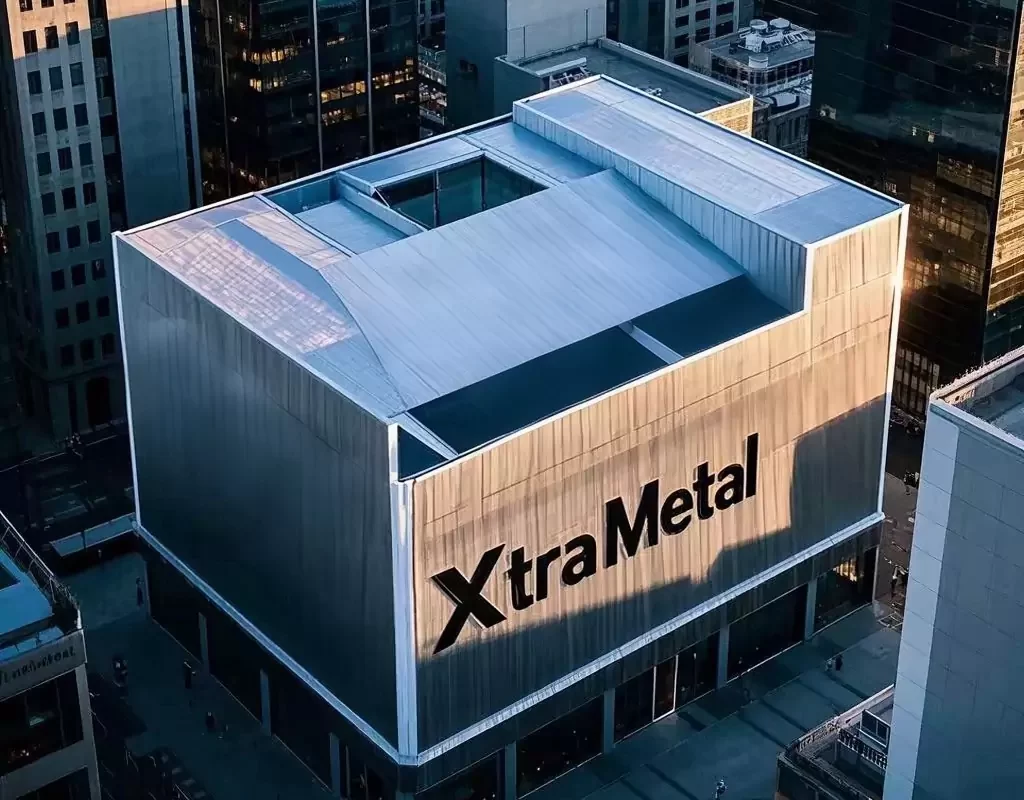
Have you chosen Xtrametal aluminium cladding? Xtra Metal Group’s precision-engineered panels feature an anti-corrosion treatment and UV-resistant coating. Maintenance requires only cleaning with maintenance products to minimise maintenance costs. For complex designs or high-rise projects, we offer customised maintenance guidelines and technical support with over 30 years of global expertise.


Professional Help
When to Call
You can do some maintenance jobs by yourself. But sometimes you need a professional. Call an expert if you see big dents or deep corrosion. If panels are loose, get help. If leaks keep coming back, call someone trained. Professionals have special tools and know-how to fix big problems safely.
If you need to work high up, call a professional. Hard-to-reach places can be dangerous. Safety is very important. If you are not sure about a repair, do not try it. Experts can check your building for hidden problems you might not see.
Tip: If you want to repaint or change many panels, a professional will make sure the work follows building rules and looks good.
Benefits
Getting help from a professional has many good points. You get repairs done by someone who knows a lot. Professionals use the best materials and new methods. This helps your cladding last longer and look better.
Here are some main benefits:
- They check the damage and fix it the right way.
- They work safely, even on tall buildings.
- They have special tools and materials.
- You get a warranty for repairs and new parts.
- They give advice for long-term care.
| Benefit | Why It Matters |
|---|---|
| Expert Repairs | Repairs last longer and look smooth |
| Safety | Lowers the chance of getting hurt |
| Time Savings | The job gets done faster |
| Warranty | Keeps your money safe |
When you let professionals handle hard jobs, you protect your building and save money in the long run.
Conclusion
You can keep your aluminum cladding looking great and lasting longer with regular care. Clean the panels, check for damage, and fix problems as soon as you see them. Preventive steps protect your building from weather and wear. Proactive maintenance helps you avoid costly repairs. If you face tough repairs or need to reach high places, call a professional for help. Your effort keeps your building safe and attractive.
FAQ
How often should you clean aluminum cladding?
You should clean aluminum cladding at least twice a year. If your building is near the ocean or in a polluted area, clean it more often. Regular cleaning keeps the panels looking new and helps prevent corrosion.
What is the lifespan of aluminium cladding?
The lifespan of aluminium cladding typically ranges between **30-50 years**, depending on material quality, surface treatment, and environmental conditions.
Does aluminum require maintenance?
Aluminum naturally offers corrosion resistance due to its oxide layer, but routine maintenance ensures long-term performance. Key considerations:
Surface treatment: Our PVDF/PE-coated panels resist UV degradation, pollution, and color fading, minimizing cleaning frequency (typically 1 – 2 times/year with mild detergent).
Drainage check: Ensure joint/seam integrity in rainscreen systems to prevent debris buildup.
Damage inspection: Address accidental scratches promptly using Xtra Metal’s custom-matched touch-up coatings.
Does aluminum cladding rust?
Aluminum cladding does not rust, as rust refers specifically to iron oxide formation in ferrous metals. Aluminum naturally forms a protective oxide layer when exposed to oxygen, effectively resisting corrosion. However, prolonged exposure to harsh environments (e.g., coastal or industrial areas) may cause surface oxidation or pitting.
What safety gear do you need for aluminum cladding maintenance?
Wear gloves, goggles, and a helmet. Use a mask if there is dust. Safety boots protect your feet. Always check your gear before you start. Good safety habits help prevent injuries.