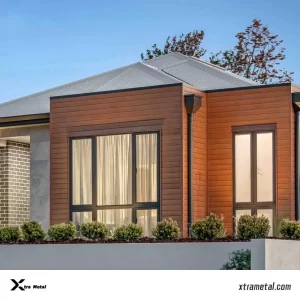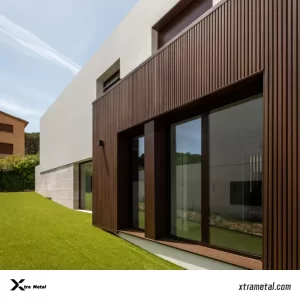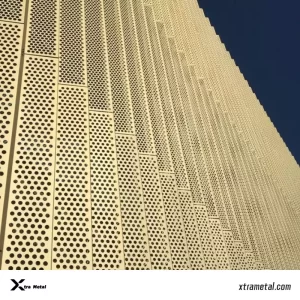
Aluminum cladding is very popular in shopping malls, offices, and residential applications. It is commonly used as exterior walls, feature walls, etc. Choosing the right aluminum cladding finish for your project is critical. Here’s the 6 points you must pay attention to.
- Climate
- Key Difference between all types of finishes
- Building Type
- Design Goals
- Maintenance Needs
- Budget
- Environmental Impact
It’s not just about design, it’s also about performance, durability, and environmental suitability. Here’s a quick guide to help you make the right choice.
Types of Finishes for Aluminium Cladding
When you pick aluminium cladding, you have lots of finishes to pick from. Each finish changes how your cladding looks and how long it lasts. Some finishes need more care than others. Let’s check out the most common types and see what makes each one different.
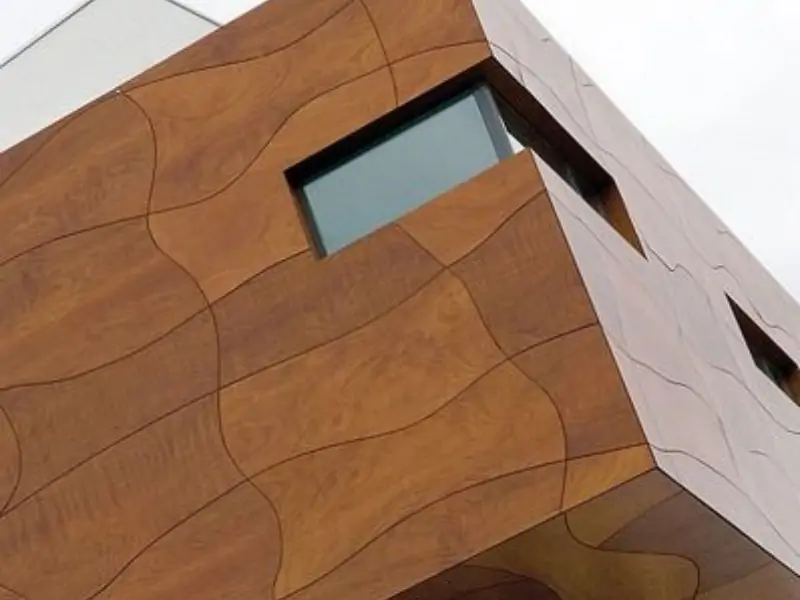
Wood-Look Finish
Wood-look finishes let you enjoy the look of wood with the strength of aluminum. This finish uses a special process called sublimation, often with powder coating. First, you coat the aluminum with a base color. Then, you wrap it with a film that has a wood pattern. Heat and pressure put the pattern into the coating, so it looks like real wood.
At Xtra Metal, we specialize in high-performance architectural aluminum cladding systems, and our wood-look finishes are engineered to meet the highest standards of durability and design. You get a finish that blocks UV rays, resists water, and lasts over 10 years without fading or peeling.

See Our Full Range Of Custom Finish
You get a finish that blocks the sun, keeps out water, and lasts over 10 years without fading or peeling. The wood-look finish is great for inside and outside cladding. It gives you the warm look of wood but does not rot, crack, or get bugs. You can pick from many wood styles, like oak, walnut, or cherry. This finish also helps the planet because aluminum can be recycled.
Powder Coating
Powder coating is a very popular finish for aluminum cladding. People also call it electrostatic powder coating. In this method, a dry powder is sprayed on the aluminum with an electric charge. The powder sticks to the metal. Then, the panels are baked in an oven. This makes a hard layer that protects the cladding.
| Aspect | Details |
|---|---|
| Unique Properties | Helps stop rust, makes the surface tough, and comes in many colors. No bad fumes, so it is better for the planet. |
| Durability | Lasts 5-10 years, depending on the type. AAMA #2604 lasts about 5 years, and AAMA #2605 lasts up to 10 years. |
| Maintenance | Needs cleaning to keep colors bright. Hard to fix if scratched. |
| Design Flexibility | Has many shiny and custom colors. You can pick matte or glossy looks. |
Electrostatic powder coating is good if you want strong color and protection. You can pick from many colors and finishes. This method is also good for the earth because you can reuse the powder and there are no bad fumes. But it is not great for very thin coatings or hidden spots. It can be hard to fix small scratches.

Anodizing
Anodizing uses electricity to make a thick, tough layer on the aluminum. This finish makes the cladding harder and stops rust. You can add color, but there are not as many choices as powder coating.
| Aspect | Advantages | Limitations |
|---|---|---|
| Corrosion Resistance | Makes a tough layer that blocks water and salt. | Needs sealing to stop rust under the layer. |
| Surface Durability | Makes the surface harder and tougher. | Coating can be uneven on tricky shapes. |
| Design Flexibility | Lets you add some color and textures. | Not all aluminum types work well. Few color choices. |
| Environmental Impact | Green method with little waste and no bad fumes. | Uses lots of energy and makes acid waste that needs care. |
Pick anodizing if you want a shiny, metal look and strong rust protection. This finish is best for simple shapes and a modern style. It is also good for the planet, but you must handle waste the right way.

Mill Finish
Mill finish is the plain, untreated surface of aluminum. You get this finish straight from the factory with no extra steps. The surface looks dull and may have marks from making it.
| Characteristic | Mill Finish Aluminum |
|---|---|
| Appearance | Dull, matte, plain with marks |
| Corrosion Resistance | Low |
| Wear Resistance | Low |
| UV Resistance | Poor |
| Typical Applications | Used for hidden parts, cheap projects, or parts that will be painted or coated later |
Use mill finish for cladding parts people will not see, or if you plan to add another finish later. It is not good for outside or visible areas because it does not protect well from the weather or the sun.

PVDF Kynar Paint
PVDF Kynar paint is a strong finish used for aluminum cladding in tough places. This finish uses a special resin that protects against chemicals, sun, and bad weather. You often see PVDF Kynar paint on buildings that need to look good for many years.
- Key benefits of PVDF Kynar paint:
- Stops damage from acids, bases, and dirty air.
- Blocks the sun, so colors stay bright.
- Stays stable in heat up to 150ºC.
- Tough against scratches and hits.
- Rain helps clean the cladding.
- Lasts over 30 years.
- Easy to clean and care for.
| Aspect | PVDF Kynar Paint | Powder Coating | Anodizing |
|---|---|---|---|
| Longevity | Warranties up to 30 years; lasts longer than powder coating | Lasts 5-10 years if treated; less tough | Tough finish; lasts a long time |
| Cost | Costs more because it is harder to apply | Cheaper; saves money | Cost changes with thickness and treatment |
| Durability Factors | Blocks sun, chemicals, and weather | Good if treated | Tough but needs special treatment |
Pick PVDF Kynar paint if your building faces bad weather or pollution. This finish costs more, but it gives you the best long-term protection and keeps colors bright. It is the best choice for tall buildings, buildings near the sea, and places with strong sun or chemicals.
Remember: PVDF Kynar paint gives the best weather protection and lasts the longest for aluminium cladding.
Comparing Finish Options
Pros and Cons
When you look at different cladding finishes, you will see that each one has its own strengths and weaknesses. You want to choose a finish that matches your project’s needs. Here is a quick look at the main options:
| Finish Type | Pros | Cons |
|---|---|---|
| Electrostatic powder coating | Fewer color options can be costly, uneven on complex shapes | Hard to repair scratches, not ideal for thin or hidden spots |
| Anodizing | Very hard, resists rust, modern look | Fewer color options, can be costly, uneven on complex shapes |
| Mill finish | Low cost, no extra steps | Poor weather resistance, dull look, not for outdoor use |
| Wood-look finish | Looks like real wood, resists rot and bugs, low upkeep | Costs more than plain finishes, limited to wood patterns |
| PVDF Kynar paint | Best for harsh weather, keeps color, lasts decades | Higher price, fewer color choices |
Tip: If you need cladding for a high-traffic or coastal area, PVDF Kynar paint and Class I anodize finishes work best. These finishes pass tough salt spray tests and resist damage from sun, salt, and wear. You only need to clean them with water or mild soap.
Best Uses
You want to match the right finish to your project. Here are some common scenarios and the best options for each:
- Busy public spaces or coastal buildings:
PVDF Kynar paint and Class I anodized finishes protect aluminum from salt, sun, and heavy use. These finishes last a long time and need little care. - Modern office buildings:
Anodizing gives a sleek, metallic look and a strong surface. It works well for simple shapes and modern designs. - Homes or places that want a natural look:
Wood-look finish gives you the beauty of wood with the strength of aluminum cladding. You do not have to worry about rot or bugs. - Projects with tight budgets or hidden panels:
Mill finish is a good choice for parts you will not see or for panels you plan to coat later. - Colorful or custom designs:
Electrostatic powder coating offers many color options and a tough surface. You can use it for both indoor and outdoor cladding.
Remember: Always check the environment and use of your building before you pick a finish. The right choice will help your aluminium cladding last longer and look better.
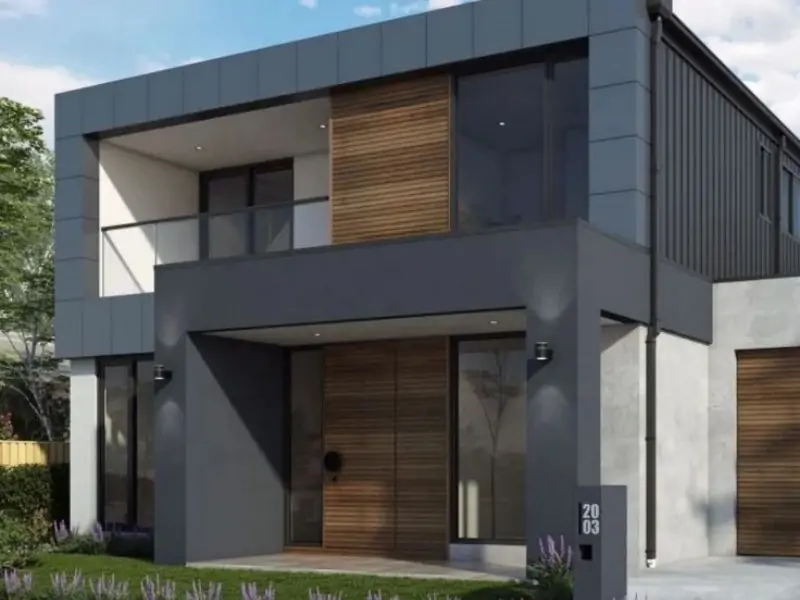

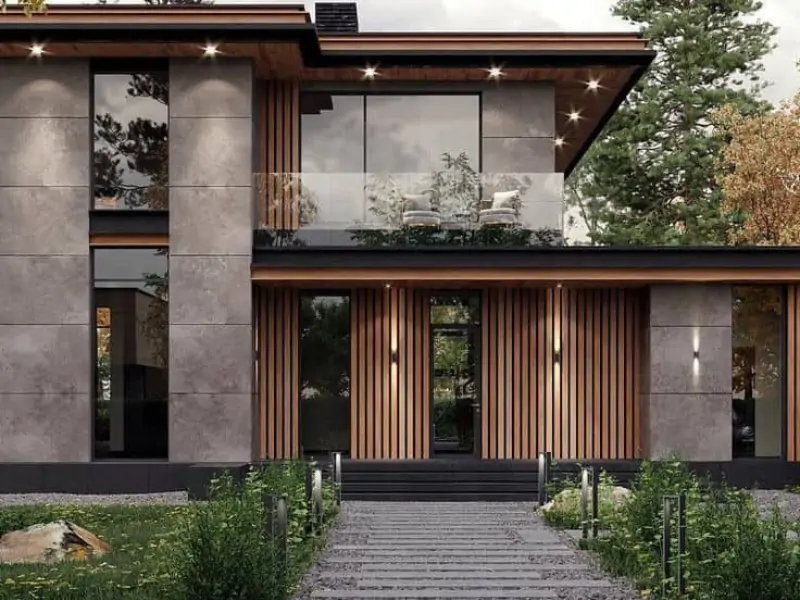


Choosing the Best Finish
Climate
You need to think about your local weather before picking a finish. Humid places can cause mold and corrosion, but aluminum cladding stands up well to moisture. In hot areas, reflective finishes help keep buildings cool and lower energy bills. If you live where the sun is strong, choose a finish that resists UV rays. This keeps colors bright and stops fading. In cold climates, insulated cladding helps keep warmth inside. Modern finishes protect against both UV damage and corrosion, so your building stays strong and looks good for years.
Building Type
The type of building you have changes what finish works best. For tall office towers or busy public spaces, you want a finish that lasts and needs little care. PVDF-coated panels work well for these places because they resist weather and pollution. For homes, you might want more natural design options, like wood-look finishes, to match your style. Factories or warehouses often use simple finishes, such as mill finish, for hidden or less visible areas.
Design Goals
Your design goals shape your choice of finish. If you want many design options, powder coating gives you lots of colors and textures. Wood-look finishes let you create a warm, natural feel without the upkeep of real wood. For a modern, shiny look, anodized finishes work well. Think about how you want your building to stand out or blend in with its surroundings.
Tip: Make a list of your top design options before you choose a finish. This helps you match the look you want with the right product.
Maintenance Needs
Aluminum cladding only needs simple daily maintenance and care. Some finishes need more care than others. PVDF-coated cladding needs only simple cleaning once or twice a year. Anodized finishes also last a long time with gentle washing. Both finishes keep their color and strength with little work. If you want to spend less time on upkeep, pick a finish known for low maintenance.
Budget
Your budget matters when choosing a finish. Some finishes cost more at first but save money later because they last longer and need less care. Mill finish is cheaper but does not protect as well. PVDF and anodized finishes cost more but give better value over time. You can also check out our 【detailed analysis on aluminum cladding cost】 to help you find the cheapest and suitable price for your project.
Environmental Impact
If you care about the planet, look for finishes made with less energy and fewer chemicals. Aluminum cladding can be recycled, and some finishes use eco-friendly methods. Powder coating and anodizing both offer green choices, helping you build a project that is better for the environment.
Choosing the right aluminum cladding finish means looking at your design goals, climate, budget, and safety needs. You should check that finishes meet standards like AAMA 2604 or 2605 and come with strong warranties.
Start with a simple checklist:
- Set your project goals.
- Compare finishes for durability and style.
- Test samples and review warranties.
- Work with trusted suppliers.
- Ask a professional for advice and request finished samples.
You make the best choice when you gather facts and see samples in person. This helps your project look great and last for years.
FAQ
What is the best finish for coastal buildings?
Pick PVDF Kynar paint or Class I anodized finishes. These finishes block salt, sun, and water. They last longer and need less work in tough coastal places.
How often do you need to clean aluminum cladding?
Clean aluminum cladding once or twice each year. Use water and gentle soap. If your area is dusty or dirty, clean it more often to keep it looking nice.
Can you repaint or refinish aluminum cladding?
Yes, you can repaint or refinish aluminum cladding. First, clean and get the surface ready. Some finishes, like powder coating, may need a pro for the best job.
Does aluminum cladding fade in sunlight?
Most new finishes, like PVDF Kynar paint and good powder coatings, do not fade. Cheaper finishes might change color after some time. Always check the warranty to see if color will last.
Is aluminum cladding eco-friendly?
Aluminum cladding is good for the planet because you can recycle it. Many finishes, like powder coating and anodizing, use fewer chemicals and make less waste. You help the earth when you pick recycled aluminum and green finishes.