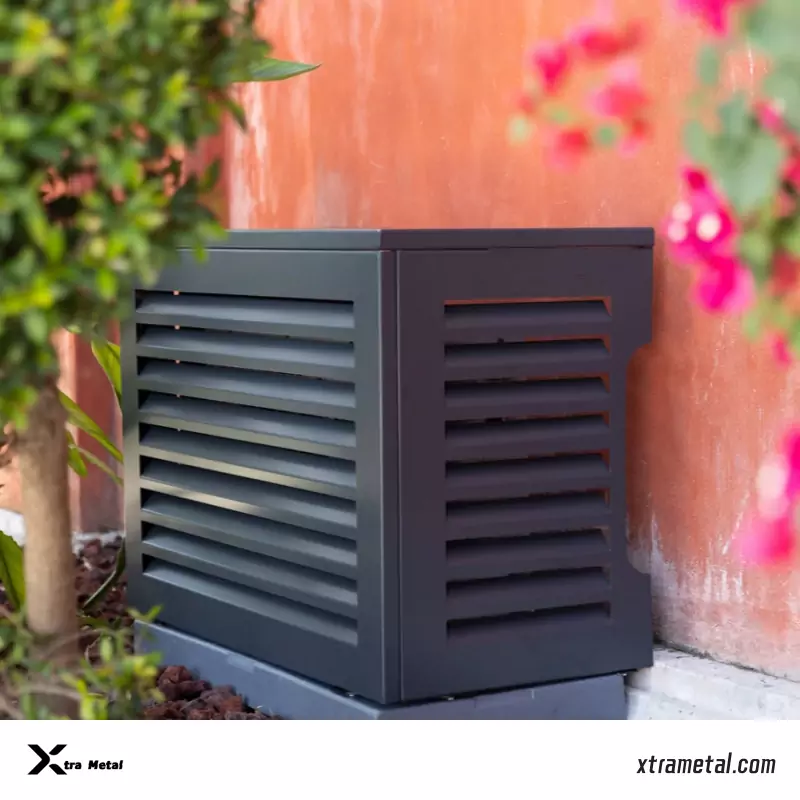
Avoid cladding materials prone to corrosion (e.g., untreated steel), low fire-rated composites, or non-compliant PVC-based systems. These risk durability issues, safety hazards, or regulatory conflicts. Prioritize corrosion-resistant, A2-s1/d0 fire-rated aluminum panels with proper certifications (e.g., EN 13501).
- ACM with Polyethylene Core
- Untreated Steel and Corrosion-Prone Metals
- Non-Compliant PVC Cladding
- Combustible Sandwich Panels
- Timber with High Fire Risk
Unsafe Cladding Types

If you pick the wrong cladding, your building can be in danger. Many countries have rules to keep you safe from unsafe cladding. The table below shows how Australia and the UK make rules about dangerous cladding:
| Jurisdiction | Regulatory Standard / Legislation | Key Provisions on Unsafe Cladding Types |
|---|---|---|
| Australia (NSW) | Building Products (Safety) Act (2017) | Ban on aluminum composite panels with >30% polyethylene core; must pass combustibility tests |
| Australia (Victoria) | Minister’s Guideline MG-14 (2018) | Removal/replacement of combustible cladding on multi-story buildings |
| UK | Independent Review of Building Regulations and Fire Safety (2018) | Ban on combustible materials in the external walls of high-rise residential buildings |
ACM with Polyethylene Core
Aluminum composite material with a polyethylene core is very unsafe. In fire tests, this cladding does not stop flames. It lets fire move up the building very fast. ACM with a mineral or fire-retardant core is much safer. The Grenfell Tower fire in London showed how bad flammable cladding can be. Many countries now ban ACM with a polyethylene core on tall buildings because it is not safe.
Untreated Steel and Corrosion-Prone Metals
Untreated steel cladding rusts fast, especially near the sea or in wet places. When steel rusts, it gets weak and can break. Galvanized or coated steel lasts longer because it has a layer that protects it. Untreated steel rusts the most and does not work well in any weather. If you use untreated steel, you may get leaks, damage, and big repair bills. Always pick cladding that does not rust easily and follows safety rules.
Non-Compliant PVC Cladding
PVC cladding can be safe if it passes all the rules, but some PVC is not safe. Some PVC panels burn fast and make toxic smoke. If your PVC cladding is not certified, you could have insurance or legal trouble. Unsafe PVC often fails fire tests and does not last long. Always check for the right papers before you use PVC cladding.
Combustible Sandwich Panels
Sandwich panels with combustible cores, like expanded polystyrene or polyurethane, are very risky in a fire. These panels have caused deadly fires in many places. For example:
- The 2017 Grenfell Tower fire in the UK had flammable cladding and killed 72 people.
- The 2018 Kemerovo shopping center fire in Russia killed 64 people because of sandwich panels without fire barriers.
- The 2020 Ajman tower fire in the UAE and the 2021 Icheon logistics center fire in South Korea spread fast because of combustible sandwich panels.
Timber with High Fire Risk
Timber cladding looks nice, but it can burn very fast. Light wood products burn quickly and get weak in a fire. Even if you treat timber, the protection may not last forever. Many countries say cladding must meet Class A2 or better for tall buildings. Timber often does not meet these rules. Gaps behind the cladding, wind, and building height can make fires worse. Only use timber cladding if it passes all fire safety rules and has proof it is safe.
Fire-Resistant Materials and Safer Alternatives
Choosing a Non-Combustible Cladding Solution
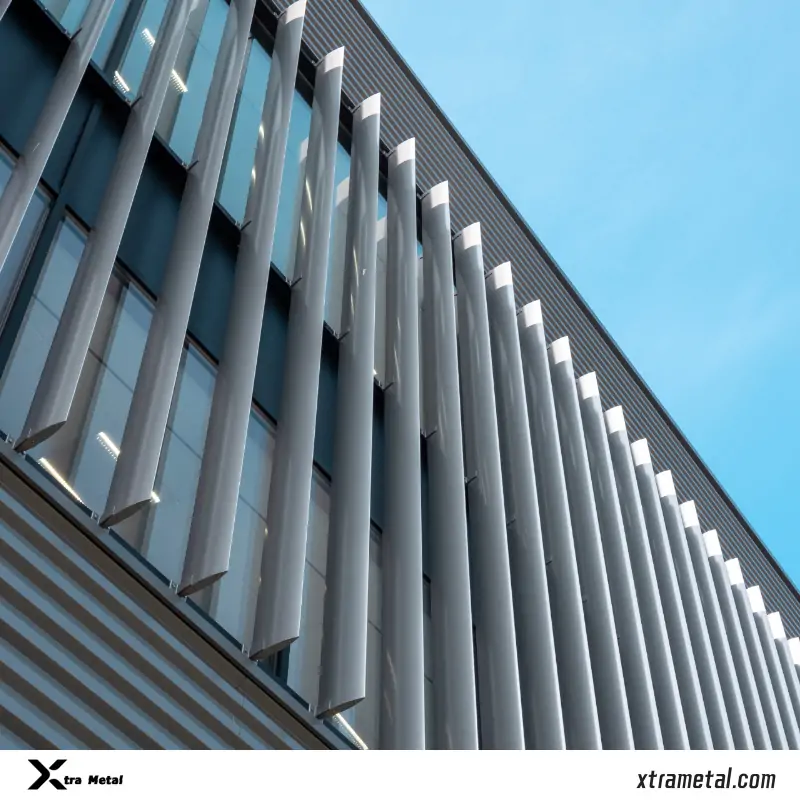
There is a wide array of non-combustible materials available for building exteriors. Solid aluminum panels, particularly those made from durable alloys, are highly fire-resistant. These panels do not burn and will only melt under extreme temperatures. Other excellent choices include mineral wool insulation, which also provides energy-saving benefits, fiber cement, calcium silicate, and specialized aluminum composites with fire-retardant cores. Opting for non-combustible materials significantly lowers fire risk and ensures compliance with stringent safety standards.
Expert Recommendation: When selecting cladding, look for a Euroclass A1 or A2 rating, which certifies that the material will not contribute to the spread of fire or produce hazardous smoke.
For a solution that combines safety with modern aesthetics, consider
XtraMetal’s Aluminum Panel Cladding Facade. Engineered for superior weather resistance and safety, these panels offer a durable, non-combustible option for both residential and commercial buildings.

Ready to explore fire-resistant designs for your project?
The Process of Upgrading Unsafe Cladding
If you suspect your building’s cladding is unsafe, the first step is to conduct a professional fire risk assessment. This inspection will identify which components need replacement. The upgrade process typically involves removing combustible panels and installing certified fire-resistant ones.
Common Steps for a Cladding Upgrade:
- Hire a certified inspector for a thorough fire risk assessment.
- Carefully remove old, unsafe panels.
- Install non-combustible materials and fire-resistant insulation.
- Add or upgrade fire alarms and sprinkler systems.
- Enhance fire barriers and ensure exit routes are clear and safe.
This process can seem daunting, but choosing the right materials can simplify it significantly. Traditional materials often require extensive labor and time, increasing project costs.
Simplify Your Upgrade with XtraMetal:
XtraMetal offers innovative systems designed for rapid and efficient installation, making them ideal for retrofit projects.
- For homeowners and smaller commercial projects: The Click System Aluminum Batten Profiles feature a revolutionary snap-on installation that requires no welding. This lightweight system can easily cover wall imperfections, reducing preparation time and labor costs.
- For large-scale buildings: The Universal System Aluminum Cladding Profiles utilize a slide-on, tongue-and-groove mechanism for seamless, waterproof coverage. This system is engineered to reduce manpower needs, making it a cost-effective choice for developers and contractors.
Don’t let installation challenges delay your safety upgrades.
Recommended products
Staying Updated on Fire Safety
You should always know the newest fire safety rules. The 2024 International Building Code has stricter rules for cladding and non-combustible materials. These rules need more tests and better fire safety for tall buildings. Many places now want connected fire alarms and regular safety checks. Check your building’s cladding every year and listen to local updates. New things like smart sensors and recyclable fire-rated panels help make buildings safer and save energy. By learning about new rules, you protect your building and the people inside.
When you do not use unsafe cladding, you help keep people safe. Fires in the news show why safety is very important. Many buildings still need better cladding, and fixing them is slow. This means there are still many dangers. You should look at your cladding often and ask experts for help. Groups like the National Association of Home Builders and state offices can give you good advice. Pick fire-resistant materials and learn about new safety rules to keep your building safe.
Cladding Risk Assessment
Visual Checks
Start by looking closely at your cladding. Check for any damage or changes. Cracks, rust, or color changes can mean bigger problems. If you see water stains or mold, there might be leaks. Loose panels can show bad installation. Write down what you find. Some problems may be hidden behind the cladding. If you see anything strange, call a certified inspector. A good look helps you find unsafe cladding early. This keeps your building safe and follows fire rules.
Tip: Take clear photos and save your notes from each check.
Certification and Compliance
Make sure your cladding has all the right certificates. Look for ISO 9001, ISO 14001, and ISO 45001. These show the maker follows good rules. For polymeric cladding, check for VSI Product Certification. Make sure it passed ASTM and EN tests. Check fire test results and see if it meets building rules. The table below lists important tests and their standards:
| Testing Type | Purpose/Focus | Relevant Standards |
|---|---|---|
| Fire Resistance Testing | Fire behavior, ignition, and spread | ASTM E119, EN 13501 |
| Mechanical & Structural Testing | Strength and durability | ASTM, EN standards |
| Weathering & Environmental Testing | Durability under stressors | LEED, BREEAM |
Using certified products and installing them correctly lowers your risk.
When to Consult Experts
Call a fire safety or building expert if you find flammable materials, leaks, or mold. Experts use special tools to check your cladding. They can do fire risk checks and see if you follow building rules. They tell you if you need repairs or new cladding. If you are not sure about the work or your building is tricky, an expert can help. Regular expert checks keep your building safe and help you follow the law.
FAQ
What is the most dangerous cladding material?
ACM with a polyethylene core is the most dangerous. This material can help fire move very fast. Many places do not allow it because it is unsafe.
How do you know if your cladding is safe?
Check for safety labels and fire test papers. Look for cracks or other damage. If you are not sure, ask a certified inspector to check.
Can you paint over unsafe cladding to make it safer?
Painting does not stop unsafe cladding from burning. You need to use approved, non-combustible panels instead to be safe.
Who should you contact if you suspect unsafe cladding?
You should talk to a licensed building inspector or fire safety expert. They can look at your cladding and tell you what to do next.
What are the first steps if you find unsafe cladding?
Take away anything that looks dangerous. Get a professional inspection. Plan to use certified, fire-resistant materials. Write down everything you do for insurance and safety rules.
Xtra Metal Group specializes in engineered anodized or PVDF-coated aluminum cladding, combining designs, strict ASTM/EN standards, and 30+ years of global project expertise. Our integrated supply chain ensures material consistency, while tailored solutions address architectural complexity and long-term performance in harsh climates.