Stone Cladding: You Must Know The Type, Clean and Maintenance
Update:
This guide details what you need to know about stone cladding, including type, cleaning and maintenance, cost, installation, and a comparison of different materials.
Stone cladding puts a layer of real or fake stone on walls. It gives homes and buildings a natural and fancy look. You can use stone cladding outside or inside on walls. Many homeowners pick this upgrade because it makes homes look better. It also helps homes sell for more money. Recent real estate data shows stone cladding can give over 150% return on investment. It may raise property value by up to 20%. This makes it a smart choice for beauty and money benefits that last.
Here are some ways people use stone wall cladding:
Cover outside walls for a classic or new look.
Make a special wall in your living room or hallway.
Add a kitchen backsplash or a bathroom wall.
Build accent walls in offices or stores.
Types of Stone Wall Cladding
Stone wall cladding has a few main types. Each type uses different materials and ways to put it up. They also look different. You can pick the one that fits your home or building. Think about what you need, what you like, and how much you want to spend.
Natural Stone Wall Cladding
Natural stone wall cladding uses real stone from the ground. People use it in homes and big buildings. Each stone is different, so it looks special and never goes out of style. You can choose stones like slate, sandstone, limestone, quartzite, marble, or granite. Every stone has its own feel, color, and care needs.
Some popular natural stone veneer types are:
Stacked stone wall panels like Silva Honed or Charcoal Rock Panels
Dry stack stone such as Collins
Linear wall cladding like Platinum PLANC™ or Graphite PLANC™
Natural stone veneer for wall cladding like Bozeman Run
Slate costs about $4.50 to $10 for each square foot. Limestone costs $20 to $28 for each square foot. Labor adds $2 to $4 for each square foot. Natural stone cladding lasts a long time and makes your building look fancy.
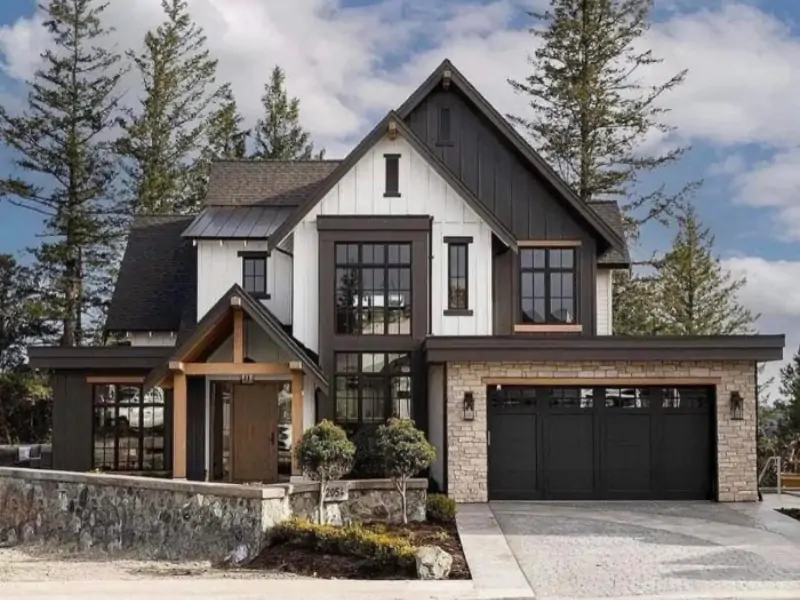
Stone Wall claddinga for house
Manufactured Stone Veneer
Manufactured stone veneer is a top pick for wall cladding. It is made by people but looks like real stone. This type is lighter and easier to put up than natural stone. You can use it inside or outside.
To make these veneers, companies use:
Portland cement for strength.
Aggregates like crushed limestone, quartz, or sand for texture.
Iron oxide pigments for color.
Chemical additives to help it stick and keep water out.
The steps are:
Mix all the materials.
Pour the mix into molds shaped like real stones.
Let the pieces dry and get strong.
Add finishing touches to make them look real.
Panelized and Mechanical Systems
Panelized and mechanical systems make stone wall cladding quick and easy to put up. These systems use panels or special fixings to attach stone to walls. You see them in big buildings, but they work for homes too.
Panelized systems use brackets, flanges, or panels that lock together. This helps cover big areas fast. You do not need as many skilled workers. But, these panels may not fit well around corners or small spaces. Sometimes, the pattern can look the same in many places.
Mechanical systems use strong anchors made of stainless steel or aluminum. These anchors hold the stone panels tight. If you use mortar and skilled workers, it is called traditional hand-set stone wall cladding. If you use anchors and panels, it is called rain screen stone wall cladding. These systems keep out wind, rain, and even earthquakes. They last a long time and do not need much care.
Some well-known panelized and mechanical systems are:
Cultured Stone®: Has many colors and textures, is easy to put up, and lasts long.
Eldorado Stone: Offers lots of styles and wins awards for quality.
Dutch Quality: Has creative designs and products that last.
Casa di Sassi: Has many shapes and sizes and looks real.
External stone cladding wall
Pros and Cons of Stone Cladding
Pros
Stone cladding brings many benefits to your home or building. You can enjoy both beauty and function when you choose this material.
Aesthetics: Stone cladding gives your walls a natural and elegant look. You can pick from many textures, colors, and finishes. This helps you match any style, from modern to classic. Your home stands out and makes a strong first impression.
Durability: Stone cladding lasts for many years. It resists moisture, corrosion, and pests. You do not need to worry about frequent repairs. This material protects your building and keeps it looking new with little effort.
Insulation: Stone cladding adds an extra layer to your walls. This layer helps keep your home warm in winter and cool in summer. You save energy and lower your bills. Stone also blocks outside noise, making your space quieter.
Low Maintenance: You do not need to clean stone cladding often. Simple washing with water keeps it looking good.
Increases Property Value: Many buyers like the look of stone. Homes with stone cladding often sell for more money.
Cons
Stone cladding also has some challenges you should know before you start your project.
High Cost: Stone cladding costs more than many other wall coverings. You pay more for both the materials and the labor.
Labor-Intensive Installation: Putting up stone cladding takes time and skill. You often need a strong wall to support the weight. Most people hire professionals for this job.
Extra Steps Needed: You may need to seal the stone to protect it from stains or water. Some cleaning products can damage the surface.
Risk of Moisture Problems: If workers do not install the cladding correctly, water can get trapped behind the stone. This can cause damage to your walls.
Not Ideal for DIY: Stone cladding is not easy to install by yourself. Mistakes can lead to safety risks, such as stones falling off.
Alternative Materials for Stone Cladding
If you want something other than stone cladding, you have many choices. These materials look different and cost less or more. They also have their own good points. You can pick the one that fits your style and budget. Some are easier to take care of than others.
Aluminium cladding
Aluminium cladding makes buildings look modern. It is light and does not burn or rust easily. Putting it up is simple and saves money. You might need to add insulation to keep heat in. Aluminium cladding costs less than stone cladding. It does not need much cleaning or fixing. You can use it for houses or offices. For a side-by-side decision framework, our guide to choosing exterior wall cladding compares stone, aluminium and other cladding materials across compliance, environment, budget and maintenance.
Cladding Material
Average Cost (£/m²)
Maintenance Level
Durability Level
Stone Cladding
£80 – £150
Low
Very High
Aluminium Cladding
£30 – £50
Low
High
Aluminium cladding is a good pick if you want strong walls. It is easy to care for and costs less.
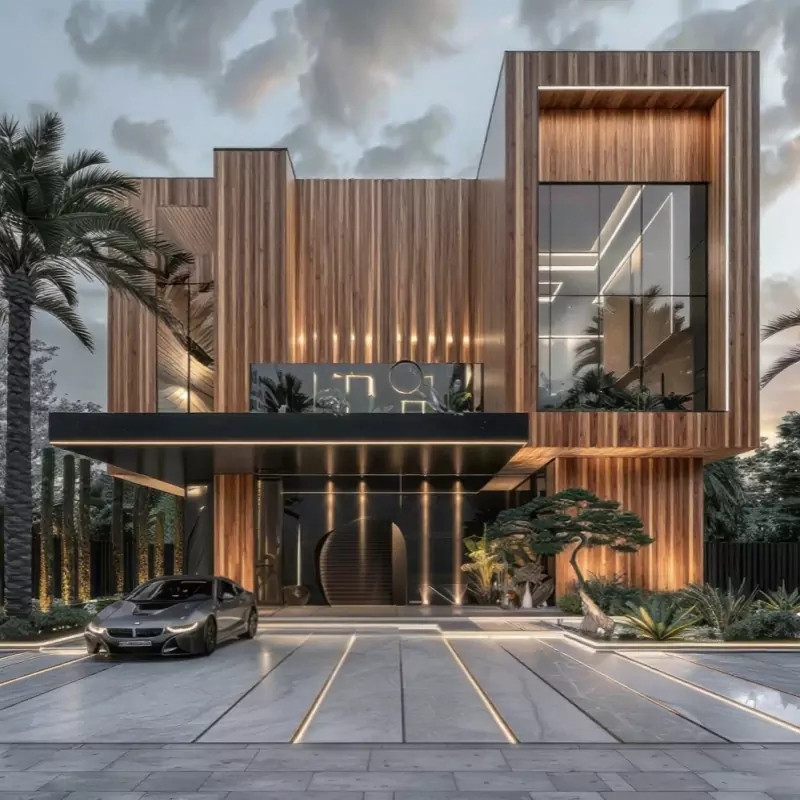
villa with aluminium cladding panelAluminium woodlook cladding wallAluminum cladding surround windowAluminium cladding ceilingAluminum perforated cladding wallAluminum vertical louver facade
Vinyl cladding is a top choice for siding. It comes in many colors and styles. Some even look like stone. Vinyl is light and quick to put up. It does not rot or get bugs. You pay less for vinyl than for stone cladding.
Aspect
Vinyl Cladding Benefits
Vinyl Cladding Drawbacks
Cost
Very affordable; wide range of styles
Can dent, warp, or fade over time
Installation
Easy and quick to install
Durability
Impact- and moisture-resistant
May chip or warp
Maintenance
Low; often made from recycled materials
Insulation
Good, especially with foam underlay
Environmental
Often uses recycled content
Style
Many colors and textures; can mimic stone
Weight
Lightweight
Vinyl cladding is cheap and helps protect your house. It also lets you change how your home looks.
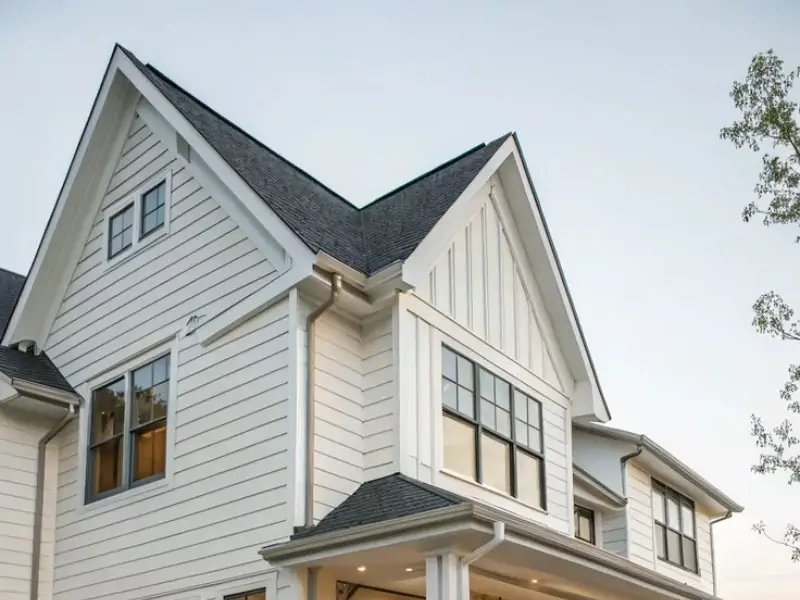
Inspiring White Vinyl siding House ideas
Wood cladding
Wood cladding gives walls a warm, natural look. Composite wood lasts longer than regular wood. It does not rot or get bugs. You only need to wash it with soap and water. Wood is lighter than stone, so it is easier and cheaper to put up.
Feature
Composite Cladding
Stone Cladding
Maintenance
Very low; simple washing with soapy water
Needs more care; may require sealing
Longevity
Warranties up to 25 years
Long-lasting, but more costly to install
Installation
Easier and less expensive
More labor-intensive and costly
Wood cladding is great if you want a classic look. It does not take much work to keep it nice.
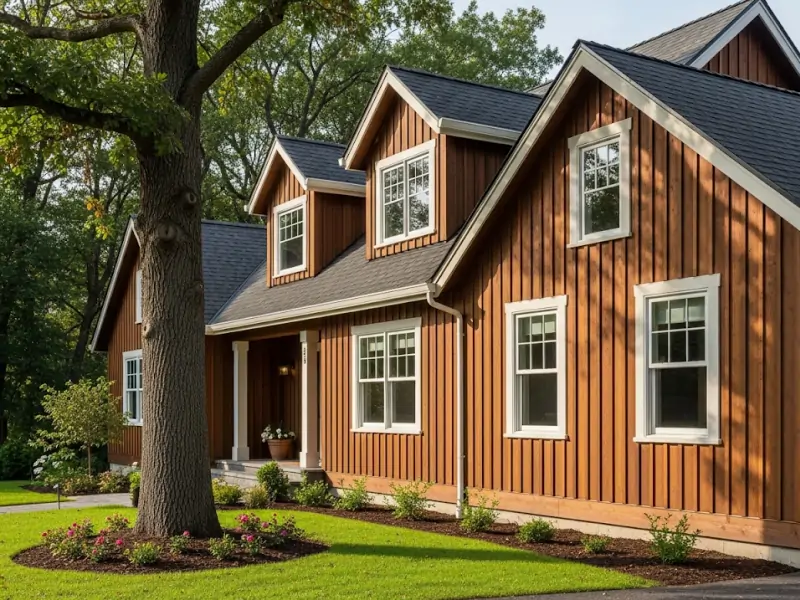
Wood siding for a house
Fiber Cement
Fiber cement cladding is tough and can look like stone or wood. It stands up to rain, fire, and bugs. It does not bend or crack easily. You can use it in hot or cold places. Fiber cement is easy to cut and put up.
Strong and costs less than stone
Looks like stone or concrete but is cheaper
Simple to install and cut
Has many textures and finishes
Keeps out bugs, mold, and fire
Fiber cement lets you pick many looks and keeps your home safe for years.
Other good choices are porcelain cladding and faux stone cladding. Porcelain is strong, easy to clean, and comes in many styles. Faux stone cladding is light, not expensive, and looks like real stone.
Fiber Cement for house
Stone Cladding Installation
Preparation Steps
Proper preparation is the key to a long-lasting stone wall cladding project. If you skip steps or rush, you risk moisture problems and structural damage. Follow these steps to get your walls ready:
Start with a professional assessment. Check if your wall can hold the weight of stone wall cladding. Look for any signs of damage or weakness.
Clean the wall surface. Remove dirt, dust, and any loose material. Make sure the wall is flat and strong.
Install a moisture barrier. Use weather-resistant barriers and drainage mats with weep holes. This keeps water from getting trapped behind the stone.
Attach metal lath with corrosion-resistant fasteners. Overlap seams for extra strength.
Apply a scratch coat of mortar over the lath. Let it cure, then score it with horizontal lines.
Choose the right mortar and adhesive. Follow the manufacturer’s instructions for mixing and applying.
Use mechanical fixings for heavy stones. Add expansion joints to allow for movement.
Keep joint widths even. Clean off extra mortar as you go.
Seal the stone surface if needed. This adds extra protection against water.
You need the right tools and steps for a successful stone wall cladding installation. Here is a simple guide:
Check that your wall meets local building codes and is strong enough.
Leave small gaps in sheathing for expansion.
For wood frames, space studs 16 inches apart.
Apply two layers of water-resistant barrier. The first layer drains water, and the second protects the first.
Install flashing at the base and around openings to direct water away.
Place insulation foam over the barrier if needed.
Cut stones with a masonry saw. Roughen the edges for a natural look.
Start laying stones at the corners. Alternate long and short pieces for strength.
Apply mortar to the back of each stone. Press and wiggle it into place.
Keep joints between 3/8 and 1/2 inch. Use a level or chalk line to stay straight.
Fill joints with mortar using a grout bag. Smooth them with a trowel.
Clean off extra mortar after it dries. Use a soft brush and mild cleaner.
Note: Always wear safety gear when cutting or installing stone.
Stone cladding installation guide
Stone Cladding Cost
Material and Labor Costs
When you want to add stone cladding, you must think about two things. You need to pay for the materials and for the workers who put it up. The price changes based on the kind of stone you pick, where you live, and how hard the job is. Here is what you might pay:
Natural stone cladding costs about $15 to $30 for each square foot.
Synthetic stone costs between $7 and $15 for each square foot.
Workers usually charge $10 to $25 for each square foot, or $40 to $70 for each hour.
The total price for stone cladding walls is usually $30 to $100 for each square foot.
If your project is big, you might pay less for each square foot.
Prices can change if you live in a different area, if workers cost more, or if rules are strict.
Category
Cost Range (per sq ft)
Notes
Materials – Cast Natural Stone
$5 – $10
More labor-intensive
Materials – Stone Veneer
$3 – $20
Varies by brand and quality
Materials – Natural Stone Siding
$5 – $30
Higher quality natural stone
Labor – Stone Veneer Installation
$3 – $12
Depends on complexity and expertise
Labor – Solid Stone Installation
$9 – $15
More labor intensive
Total Cost (Materials + Labor)
$30 – $100
Varies by stone type and location
Tip: To find the cost for one square meter, multiply by 10.76.
Long-Term Value
Stone cladding does more than make your wall look nice. It makes your home worth more money. Many people want homes with stone veneer because it looks fancy and lasts a long time. You can get back about 92% of what you spend. Homes with stone sell faster and for more money. Some insurance companies may give you a discount because stone veneer does not burn easily.
Stone veneer can make your home worth 6–11% more.
More people want stone veneer because it is strong and looks good.
Stone cladding does not need much care. You only need to clean it sometimes and check the mortar.
Stone veneer lasts longer and is cheaper to take care of than vinyl or wood siding.
Natural stone veneer can last more than 50 years. Vinyl siding may need to be replaced after 15 to 20 years. Wood siding needs new paint every few years, which costs more money. Stone cladding can also help lower your energy bills. It keeps heat in during winter and out during summer. This can save you 8–12% on heating and cooling, or $150 to $300 each year.
Picking stone cladding means you get a pretty, strong wall and save money for many years.
How do you clean stone cladding?
Cleaning and Care
You need to clean stone cladding the right way to keep it looking great for years. Start by knowing what type of stone you have. Granite, limestone, and sandstone all need different care. Use the right tools and gentle cleaners to avoid damage.
Sweep or vacuum the surface to remove dust and dirt. Use a soft brush or broom for outdoor walls. For interior wall cladding, a microfiber cloth works well.
Wash the stone with mild soap and water. Use a damp cloth indoors. Outside, rinse with a garden hose on low pressure. Do not use harsh chemicals or hard brushes.
Treat stains based on their type. For mildew or algae, use a diluted bleach solution outdoors. For grease or oil, try a baking soda paste. Always test cleaners on a small area first.
Dry the stone with a clean cloth. This step is important for porous stones to prevent water spots.
Apply a sealant if your stone is porous. This helps protect against stains and makes cleaning easier. Reapply the sealant every few years.
Set a regular cleaning schedule. Dust the indoor stone weekly. Check outdoor cladding more often, especially after storms.
Tip: Clean up spills right away to stop stains. Never mix bleach and ammonia. Protect stone from heat and acids.
Cleaning-Natural-Stone-wall
Choosing the right Cladding
Assessing Needs and Style
You want your cladding to look good and last long. First, think about what you need for your project. Ask yourself what you want the cladding to do. Do you need it to keep heat in or stop fires? Will it have to stand up to bad weather? Next, look at your building’s style. Some houses look best with rough stones. Others look better with a modern style.
Think about how your home looks overall. Old-style homes often use cobblestone or fieldstone. Modern homes look nice with slate or granite.
Check the color and feel of the stone. Pick stones that match your paint, roof, or trim.
Decide if you want natural or manufactured stone. Natural stone looks special. Manufactured stone comes in more colors and is easier to put up.
Think about where you will use the cladding. Stone wall cladding in kitchens makes it feel warm. Stone wall cladding in living rooms makes a bold wall.
Look at the size and shape of the panels. Big panels fit modern homes. Small stones are good for classic styles.
Make sure the stone works for your weather. Some stones do better in rain or snow.
Pick eco-friendly choices if you want to help the planet.
Tip: Always check your local building rules before you start. You might need special materials or ways to put it up.
Your budget helps you decide what to pick. Prices change based on the stone, the workers, and how big your project is. Use this table to see common costs:
Cladding Type
Material Cost (per m²)
Labor Cost (per m²)
Notes
Natural Stone Cladding
$100 – $250
$30 – $80
Heavy, needs skilled workers
Manufactured Stone Veneer
$50 – $100
$30 – $80
Lighter, easier to install
Surface Preparation
$10 – $50
Included above
Extra for old or damaged walls
Extra Features (corners, etc)
Variable
Variable
Increases total cost
Thicker stone and tricky designs cost more. You may need 10-15% extra stone for cuts and breaks. Shipping heavy stone also costs more. If you want a simple look, manufactured stone veneer saves money and time.
Note: Plan for savings over time. Strong cladding may cost more now but needs fewer repairs later.
Stone cladding makes your wall strong and nice to look at for many years. Many experts now pick stone instead of glass. Stone helps save energy and does not need much work to keep up. New ways to install stone cladding are quicker and simpler. Before you begin, think about what style you want and what you need. Also, check how much money you can spend. Groups like ANSI and ASTM International, plus your local building office, can help you. You should talk to an expert or look at design ideas. Stone cladding can really change how your space looks.
FAQ
What is the difference between stone cladding and stone veneer?
Stone cladding covers walls with a thin layer of stone. Stone veneer is a type of stone cladding made from either real or manufactured stone. You can use both to improve your wall’s look and strength.
Can you install stone cladding over existing brick or concrete?
Yes, you can install stone cladding over brick or concrete. You must clean the surface and check for damage first. Use a moisture barrier and the right adhesive for best results.
How do you clean stone cladding?
Use a soft brush or cloth to remove dust. Wash with mild soap and water. Avoid harsh chemicals. For outdoor stone, rinse with a garden hose. Always test cleaners on a small spot first.
Does stone cladding help with insulation?
Yes, stone cladding adds an extra layer to your wall. This layer helps keep your home warmer in winter and cooler in summer. You may also notice less outside noise.
Is stone cladding waterproof?
Stone cladding itself resists water, but you must install it correctly. Use a moisture barrier and seal joints. This keeps water from getting behind the stone and protects your walls.
Donnie
As an aluminum ceiling & facade manufacturing engineer, I spent years immersed in design and production for things like exterior walls and ceilings. Seeing the gap between technical specs and practical understanding sparked my desire to share my knowledge clearly and make engineering materials accessible to more people.