
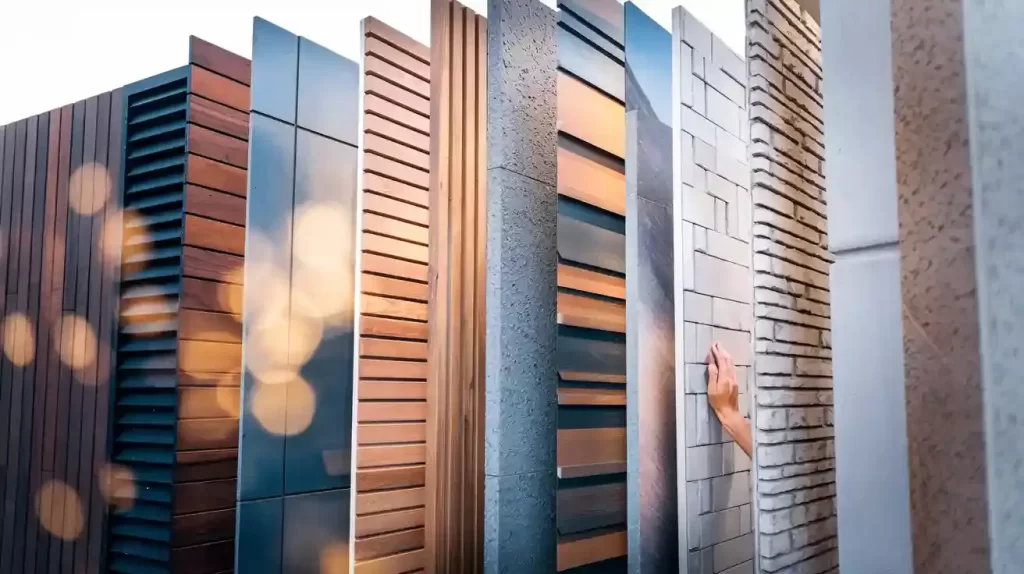
You will notice some top vertical cladding materials in 2025.
- Vinyl, fiber cement, wood, and metal are popular for vertical cladding. They are strong and look nice.
- Ceramic, brick, and stone are also good for outside walls.
New trends give you eco-friendly cladding, smart systems, and fire-safe vertical choices.
Key Takeaways
- Vertical cladding has many good and cool materials in 2025, like timber, metal, fiber cement, porcelain, composite, PVC, and terracotta. Each one has its own special benefits.
- Pick cladding by thinking about your home’s look, your budget, the weather, and how much work you want to do. Some materials need more care than others.
- Try to find strong, fire-safe, and earth-friendly choices like metal and composite panels. These can help keep your home safe and save energy for a long time.
Is vertical cladding the best choice for your home?
Are you thinking about giving your home a fresh new look? Vertical cladding is one of the best house siding options you can pick in 2025. It makes your home stand out and protects it from the weather. Let’s look at the most popular vertical materials and see what makes each one special.
1. Timber Cladding (Accoya, Thermowood, Cedar, Pine)
Timber brings a warm, natural feel to your home. You can choose from Accoya, Thermowood, cedar, or pine. Accoya and Thermowood are treated woods, so they last longer and resist rot. Cedar looks beautiful and keeps pests away, but you’ll need to take care of it more often. Pine is easy to install and affordable. Timber works well for vertical cladding if you want a classic look.
2. Metal Cladding (Aluminum, Steel)
Metal is a top pick for modern homes. Aluminum and steel both give you a sleek, clean style. Aluminum is lightweight and resists rust, so it’s great for vertical cladding on any home. Steel is strong and stands up to harsh weather. Both options are fire-safe and need very little maintenance. Experts say high-quality metal cladding is one of the best house siding options for durability and safety.
3. Fiber Cement Siding
Vertical fiber cement siding is a favorite for many homeowners. It looks like wood but lasts much longer. Fiber cement siding is tough, fire-resistant, and doesn’t need much care. You can paint it any color you like. It’s heavy, so you’ll want a pro to install it. This material is perfect if you want your home to look stylish and stay safe.
4. Porcelain Slabs
Porcelain slabs are new in the world of vertical cladding. They give your home a modern, high-end look. Porcelain is super strong, resists stains, and doesn’t fade in the sun. You won’t have to worry about mold or pests. If you want a unique and low-maintenance option, porcelain slabs are worth a look.
5. Composite Panels
Composite panels mix wood fibers and plastic. They are strong, weatherproof, and come in many colors. Composite vertical cladding is easy to clean and doesn’t rot or warp. You get the look of wood without the extra work. This is a smart choice if you want something that lasts and looks good.
6. PVC Cladding
PVC is a budget-friendly option for vertical cladding. It’s lightweight and comes in lots of styles. PVC cladding is easy to install and doesn’t need painting. However, experts warn that it may not last as long as other materials, especially in tough weather. Still, it’s a good pick if you want to save money and keep things simple.
7. Terracotta Panels
Terracotta panels bring a natural, earthy look to your home. They are fire-resistant and help keep your house cool. Terracotta is strong and lasts a long time. You’ll see this material on modern and traditional homes alike.
Tip: No matter which vertical cladding you choose, make sure your home has good ventilation and insulation. This helps prevent moisture problems and keeps your house energy efficient.
Here’s a quick table to help you compare the main vertical cladding materials for your home:
| Material | Key Features | Why Choose It in 2025? |
|---|---|---|
| Timber (Accoya, etc.) | Natural, warm, can be treated for durability | Classic look, eco-friendly options |
| Metal (Aluminum, Steel) | Modern, fire-safe, low maintenance | Sleek style, top durability |
| Fiber Cement Siding | Tough, fire-resistant, paintable | Safe, long-lasting, stylish |
| Porcelain Slabs | Strong, stain-proof, modern finish | Unique, easy to clean |
| Composite Panels | Weatherproof, wood-look, many colors | Low upkeep, lasts long |
| PVC Cladding | Affordable, lightweight, easy to install | Budget-friendly, simple to maintain |
| Terracotta Panels | Earthy, fire-resistant, cools your home | Natural beauty, long lifespan |
When you look at all the options, you can see why vertical cladding is one of the best house siding options for your home in 2025. You get choices that fit every style, budget, and need. Whether you want the warmth of wood, the strength of metal, or the modern look of porcelain, there’s a vertical option that’s just right for your home.
How do the best house siding options compare?
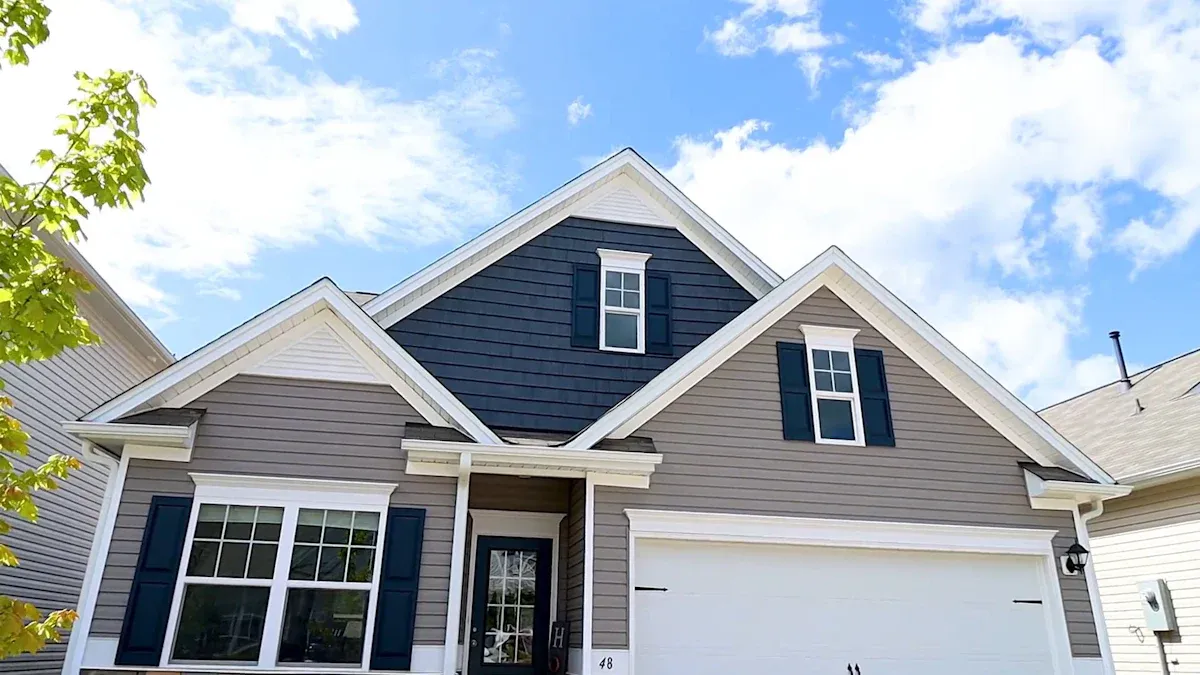
Durability
Cost
You want your vertical siding to last a long time. Fiber cement and reinforced metal siding can last over 50 years. Composite panels are also strong and can last up to 50 years. Good PVC cladding lasts about 20 to 40 years. These choices stand up to bad weather and pests. They keep their shape well. Fiber cement panels are safe in fire and cold weather. That makes them a smart pick for safety and strength.
There are many prices for vertical siding. Timber and wood siding start at $3 per square meter. Composite panels cost between $5 and $30. Aluminum siding is $14 to $36 per square meter. Vinyl siding can be $30 to $100, based on quality. Stone veneer and rendered panels cost more. They look bold and last a long time. Always think about both material and installation costs when you compare siding.
Appearance
Vertical cladding can make your home look new. There are many colors and textures to pick from. Composite panels come in navy blue, green, and earth colors like terracotta. Metal siding can look like wood or have a shiny finish. Fiber cement panels can look like wood or stone. You can mix different panels to make your house look special.
Sustainability
If you want to help the planet, there are green choices. Wood-plastic composite panels use up to 90% recycled stuff. Aluminum siding can be recycled again and again. Painted timber finish cladding is good for the earth. These choices help you build a greener home.
Maintenance
You want siding that is easy to care for. Composite and PVC panels only need simple cleaning. Metal and fiber cement siding are also easy to keep nice. Wood siding needs more work, like painting and sealing. Thermally modified wood panels need less care than regular wood. Picking the right panels can save you time and money.
Tip: Always read the warranty and care guide for your siding. This helps your house siding stay nice for many years.
Siding options for 2025: What are the pros and cons?
When you look at siding options for 2025, you will see many choices. Each material has good and bad points. Let’s look at the pros and cons for each type. This will help you pick what works best for your home.
Timber Cladding
Timber cladding makes your house look warm and classic. You can choose from different woods, like Accoya or Thermowood. These woods last longer because they get special treatments. The treatments help them fight rot and decay. The acetylation process changes the wood so it does not soak up water. This makes it stronger outside.
Pros:
- Natural beauty and warmth
- Good insulation for your home
- Eco-friendly if you pick wood from green forests
- Easy to fix and change
Cons:
- Needs regular care, like sealing and checking for bugs
- Can cost more over time if you skip care
If you want siding that stands out and lasts many years, treated timber is a good choice. It works well for cabins in the mountains or homes with a natural style.
Metal Cladding
Metal cladding, like aluminum and steel, is great for modern homes. It gives a sleek look and strong weather protection. Metal siding in 2025 comes in panels of many colors and sizes. You can match any style you want.
Pros:
- Sleek, modern look
- Resists rust and tough weather
- Recyclable and eco-friendly
- Class A fire rating for top safety
- Needs almost no care
Cons:
- Can be loud in heavy rain or wind
- Can dent or scratch if hit hard
Metal cladding is great for city homes or places where fire safety is important. It can last 40-60 years and keeps your house looking sharp.
Vertical Fiber Cement Siding
Vertical fiber cement siding is a top pick for many homeowners in 2025. It looks like wood but lasts much longer. You get the style you want without extra work.
Pros:
- Strong and fire-resistant
- Fights pests and rot
- Handles tough weather, like wind and hail
- Low care and easy to clean
Cons:
- Heavy and needs a pro to install
- Can crack if not put in right
Vertical fiber cement siding is smart if you want a safe, stylish home. It works in any climate and does not crack or peel like stucco.
Here’s a quick table to help you compare fiber cement siding and metal siding:
| Feature | Fiber Cement Siding | Metal Siding |
|---|---|---|
| Moisture | Can shrink if not installed properly | Does not absorb water |
| Durability | Rigid, may crack | Resists chipping, cracking, peeling |
| Fire Resistance | Fire-resistant, not fireproof | Non-combustible, keeps shape in heat |
| Maintenance | Needs painting sometimes | Little to no maintenance |
Porcelain Slabs
Porcelain slabs are new siding options for 2025. They give your home a modern, fancy look. You can pick vertical white panels or other finishes for a cool style.
Pros:
- Very strong and lasts long
- Stain-proof and easy to clean
- Modern, stylish finish
- Good sound and heat insulation
Cons:
- Needs skilled workers to install
- Can be heavy and hard to handle
- Installation may take longer, especially for big jobs
Contractors say porcelain slabs save energy and last a long time. Make sure you hire certified installers for the best results.
Composite Panels
Composite panels mix wood fibers and plastic. They look like wood but last much longer. You can get panels in many colors and sizes, including vertical gray wood-look siding.
Pros:
- Fights moisture and pests
- Low care and easy to clean
- Eco-friendly, often made from recycled stuff
- UV and rust resistant
Cons:
- Can get bigger in heat
- Costs more at first than vinyl siding
Here’s a chart comparing how long composite panels and regular materials last and their warranty:

Composite panels are great for homes near the coast or places with lots of rain. They last up to 30 years and often come with long warranties.
PVC Cladding
PVC cladding is a cheap option for siding. It is light and easy to put up, so it is good for quick upgrades. You will find many vinyl siding styles, including panels that look like wood.
Pros:
- Cheap and easy to use
- Waterproof and low care
- No need to repaint
Cons:
- Looks more fake than real wood or stone
- Not biodegradable and can hurt the earth if not recycled
- Fewer design choices
PVC and vinyl siding are good for stores or homes where you want to save money and keep things simple. Remember, PVC can last a long time but may not feel like other materials.
Terracotta Panels
Terracotta panels give your home a natural, earthy look. They help keep your house cool and save energy.
Pros:
- Great heat insulation and saves energy
- Fire-resistant and lasts long
- Light and easy to handle
- Can have holes for better airflow
Cons:
- May cost more than vinyl or PVC
- Needs skilled workers for best results
Terracotta panels have a hollow shape that helps with insulation. They soak up heat during the day and let it out at night. This can lower your cooling bills by up to 20% in hot places.
Here’s a handy table to sum up the main pros and cons of each siding material:
| Cladding Material | Pros | Cons | Example Use Case |
|---|---|---|---|
| Composite Panels | Mimics wood; moisture resistant; eco-friendly; low maintenance | Expands in heat; higher upfront cost than vinyl | Coastal homes needing moisture resistance |
| Timber Cladding | Warm look; good insulation; eco-friendly | Needs regular maintenance; can be weather vulnerable | Mountain cabins with natural weather resistance |
| Metal Cladding | Sleek look; corrosion resistant; fire-safe; recyclable | Noisy in wind/rain; can dent; higher cost | Urban buildings or warehouses valuing durability |
| Fiber Cement Siding | Durable; fireproof; pest-resistant; low maintenance | Heavy; needs pro install; cutting can be hazardous | Modern homes wanting wood-like look without upkeep |
| PVC Cladding | Affordable; waterproof; easy install; low maintenance | Synthetic look; not biodegradable; limited design | Commercial buildings needing low maintenance |
| Porcelain Slabs | Strong; stain-proof; modern finish; energy efficient | Needs skilled installers; heavy; longer install time | High-end homes or buildings seeking unique style |
| Terracotta Panels | Earthy look; fire-resistant; cools your home; energy efficient | Higher cost; needs skilled install | Modern and traditional homes |
Tip: When you compare siding options for 2025, think about your weather, budget, and how much care you want to do. Each material has something special, so you can find the best one for your home.
House siding: How to choose the right material?
Key Factors
Picking house siding can seem hard at first. But you can make it easy by thinking about what matters most. Most people want siding that looks nice and lasts a long time. Good siding can also make your home worth more. You may care about how well the exterior cladding keeps out rain or sun. Or maybe you want a color that fits your style. Here are the main things to think about:
- Durability: Choose siding that works for your weather. Aluminum cladding is great because it fights fire, bugs, and bad storms. It does not bend, break, or rot. This keeps your home safe.
- Maintenance: You likely want siding that is easy to care for. Aluminum cladding needs almost no work. Wood and PVC need more cleaning and fixing.
- Aesthetics: Color is important! Aluminum cladding comes in many looks. You can pick woodgrain or bright solid colors. It fits both modern and classic homes.
- Sustainability: If you want to help the earth, pick recyclable materials. Aluminum cladding is good for green building.
- Customization: Want your home to look special? Aluminum cladding lets you pick your favorite color, texture, and finish.
- Cost: Think about what you get for your money. Aluminum cladding has a 25-year warranty. This means you save money over time and feel safe.
Homeowners in new surveys say they want siding that is flexible, saves energy, and is good for the earth. They also like colors that never go out of style and siding that fits their budget.
Project Recommendations
You can use aluminum cladding on almost any building. It works for tall apartments, shopping malls, and even inside walls. If you want a modern look or need fire safety, aluminum cladding is a smart choice. You get style, value, and strong protection for your home.
If you want help, free samples, or quick price quotes, visit XtraMetal Aluminum Cladding. Our team helps you from start to finish. This makes your home project easy.
FAQ
What is the best vertical cladding for low maintenance?
You should try aluminum or composite panels. They need almost no upkeep. Just wash them with water if they get dirty.
Tip: Choose pre-finished panels for even less work!
Can I install vertical cladding myself?
You can install some types, like PVC or composite panels, if you have basic tools. For heavy materials, like fiber cement or porcelain, hire a pro.
Does vertical cladding help with insulation?
Yes! Many cladding materials, like timber and terracotta, add extra insulation. This helps keep your home warm in winter and cool in summer.