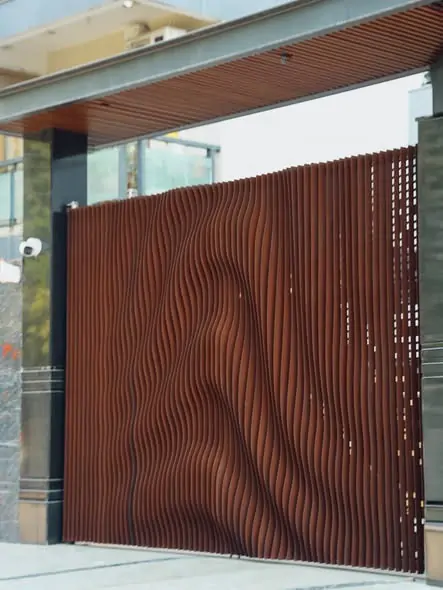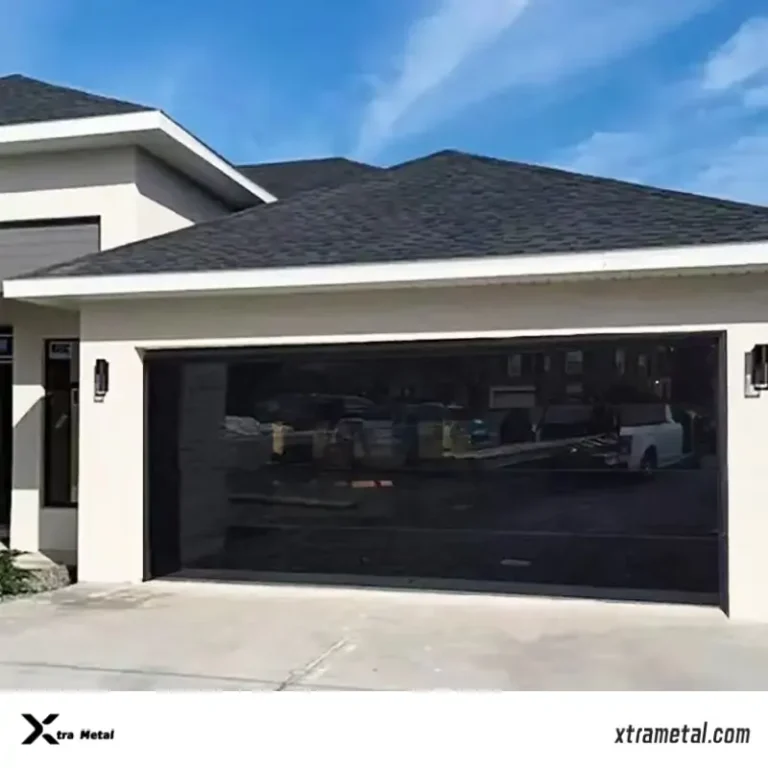
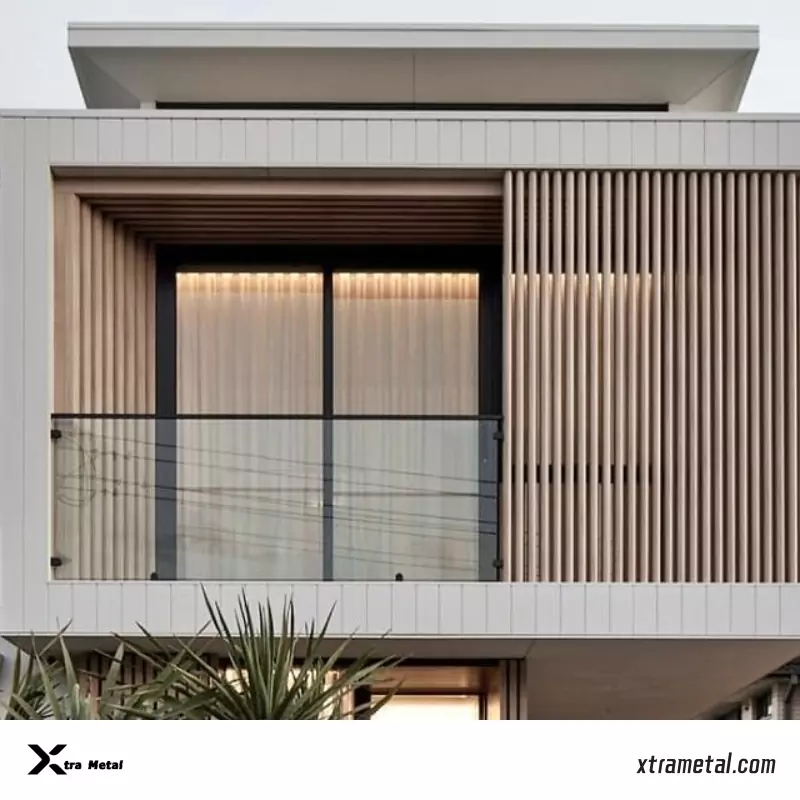

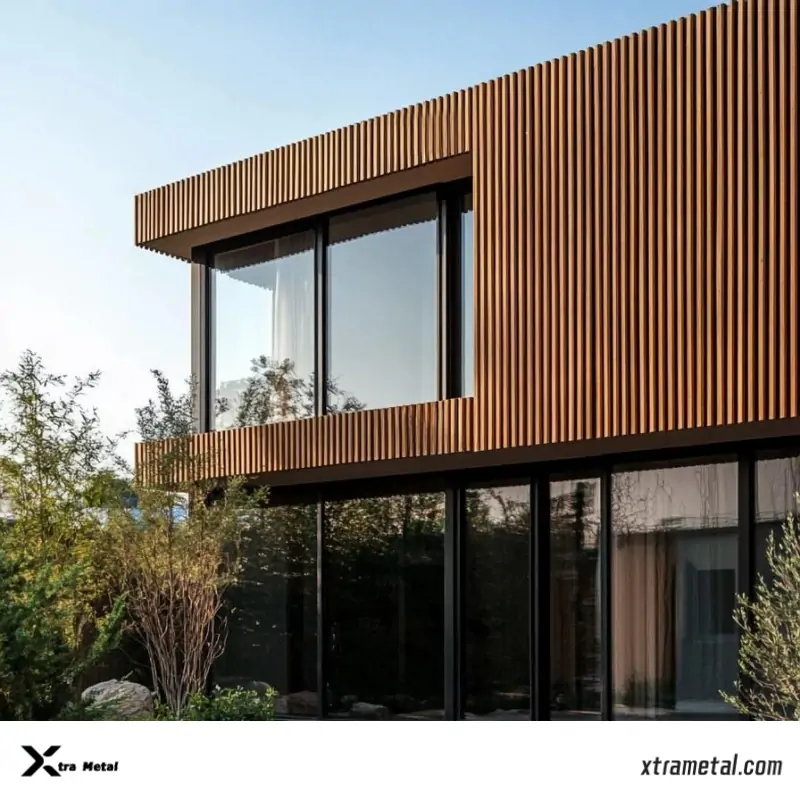
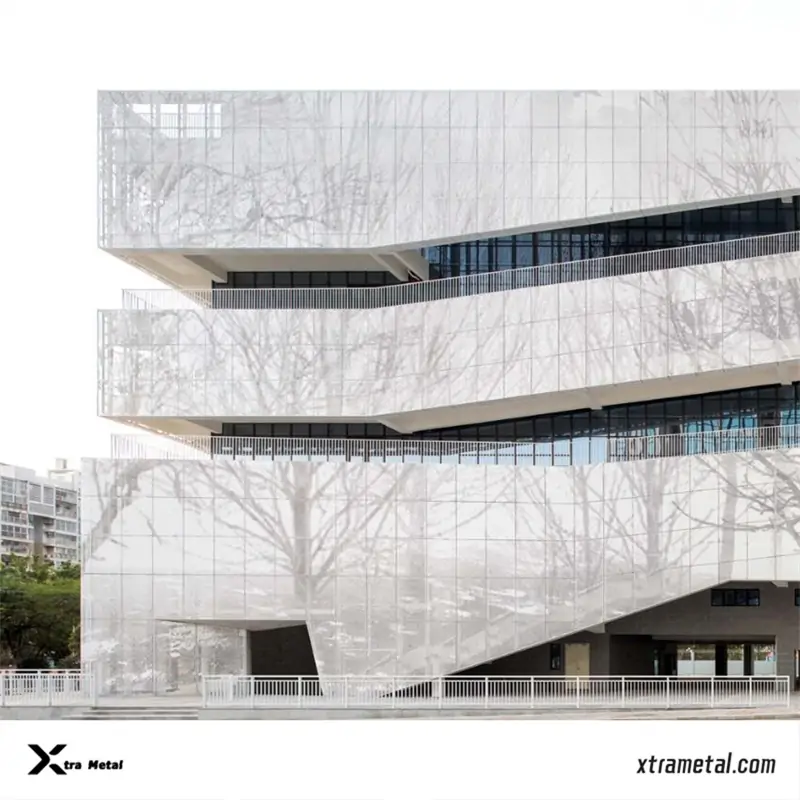
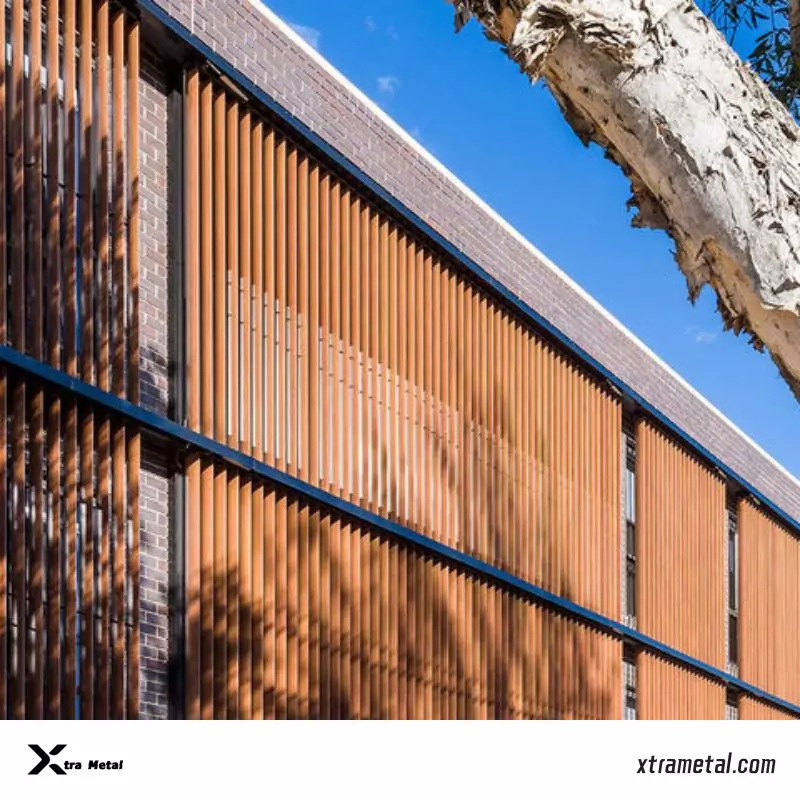
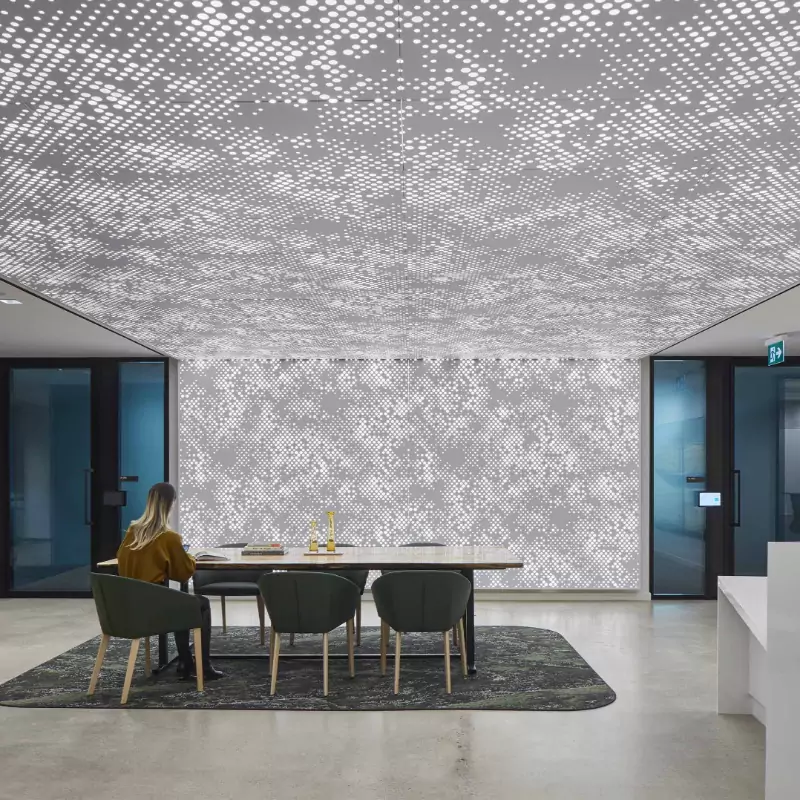
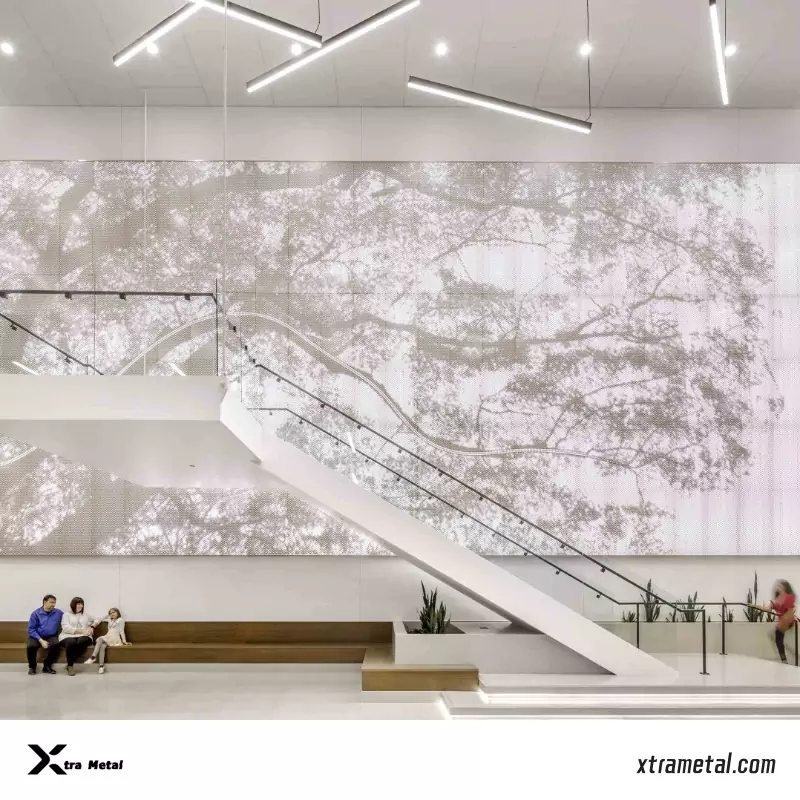
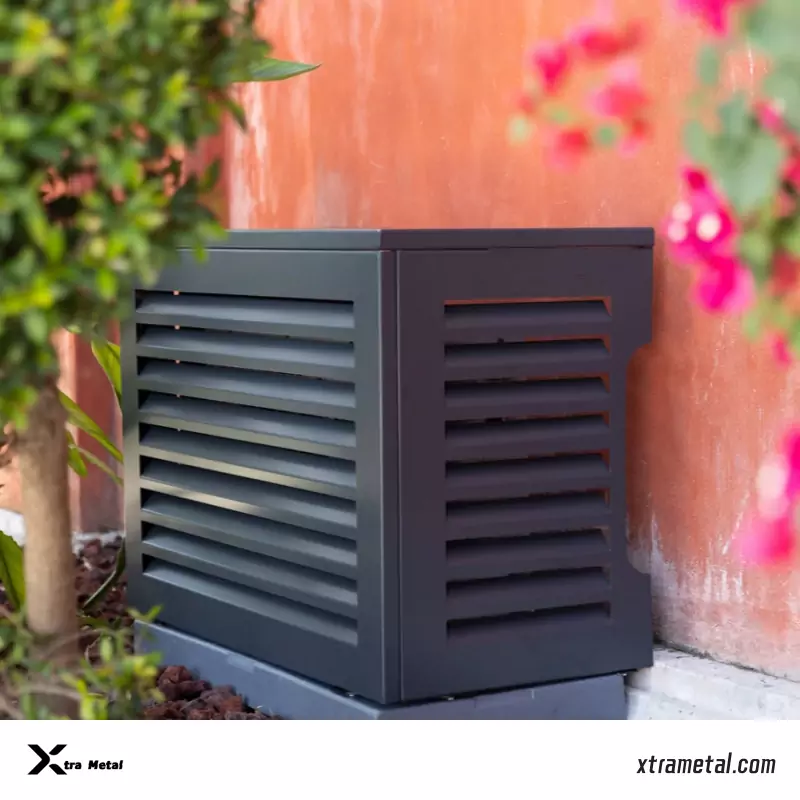
For a typical residential project in 2025, the national average cost to install aluminium cladding is approximately $11,750, with most homeowners spending between $6,500 and $17,000. On a per-square-foot basis, this translates to an average installed cost between $5.50 and $10.50 for standard aluminium siding. However, this is just the starting point. The final cost can span a much wider range, from $5 to as high as $30 per square foot, depending on the specific type of panel, finish, and project complexity. Therefore, it is very important to choose the right aluminum cladding solution.
- National Average Project Cost:~$11,750
- Typical Project Range:$6,500 – $17,000
- Average Installed Cost/Sq. Ft.:$5.50 – $10.50
- Low End (e.g., small repair):~$1,500
- High End (e.g., premium panels, large home):~$25,000+
What Is Aluminium Cladding?
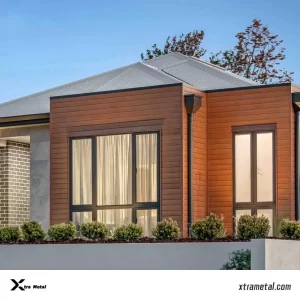
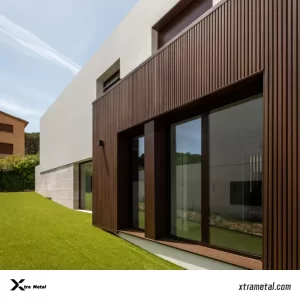
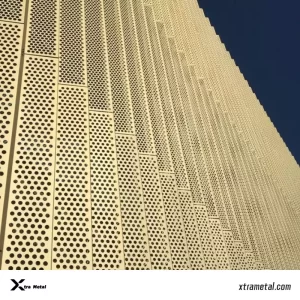
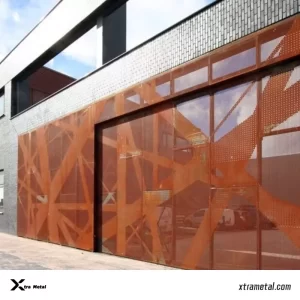
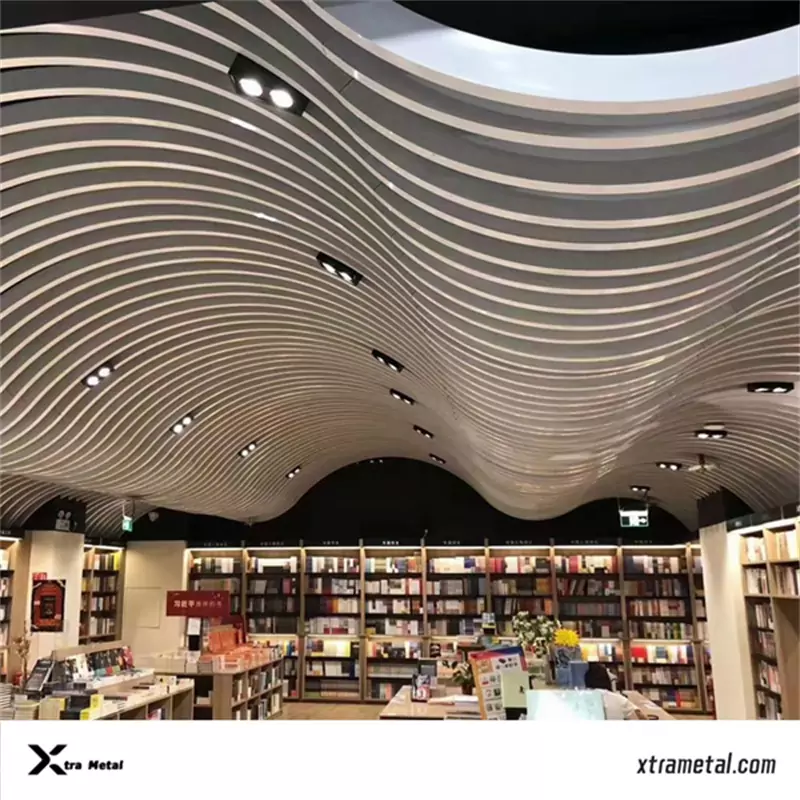
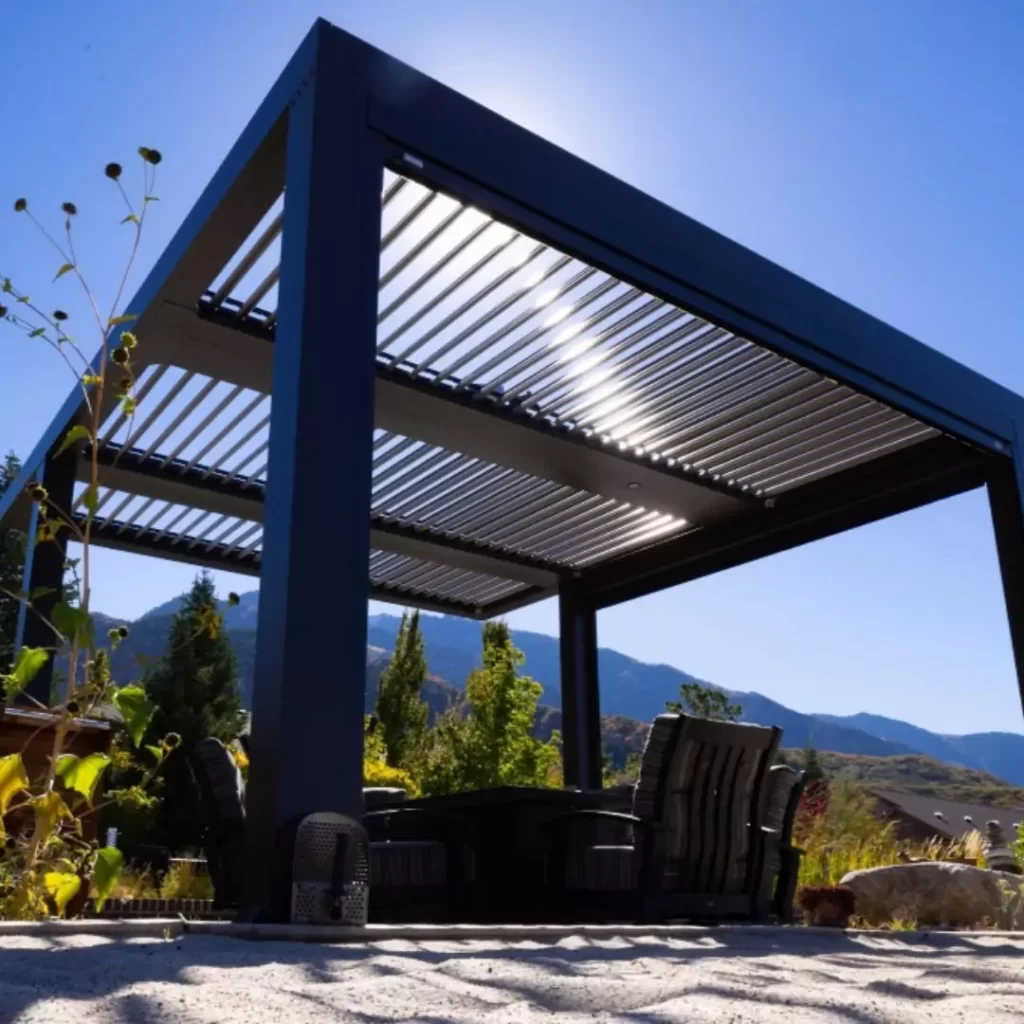
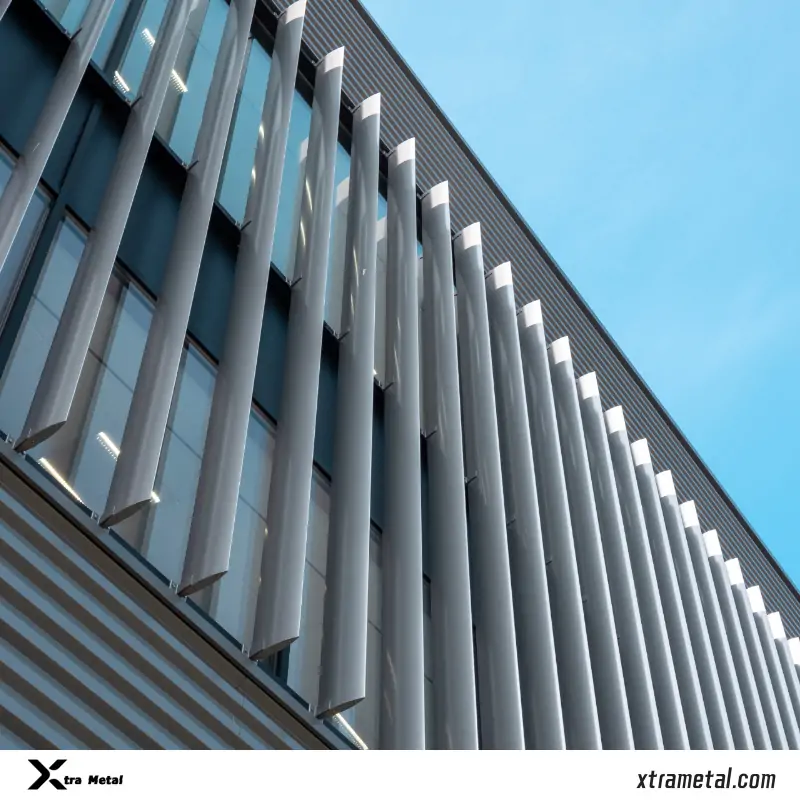
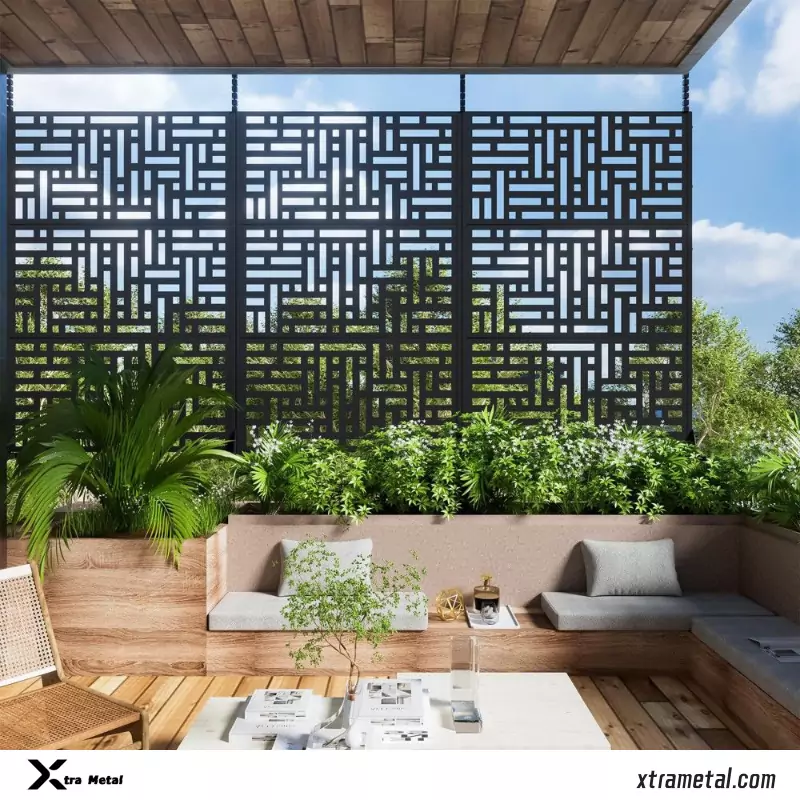
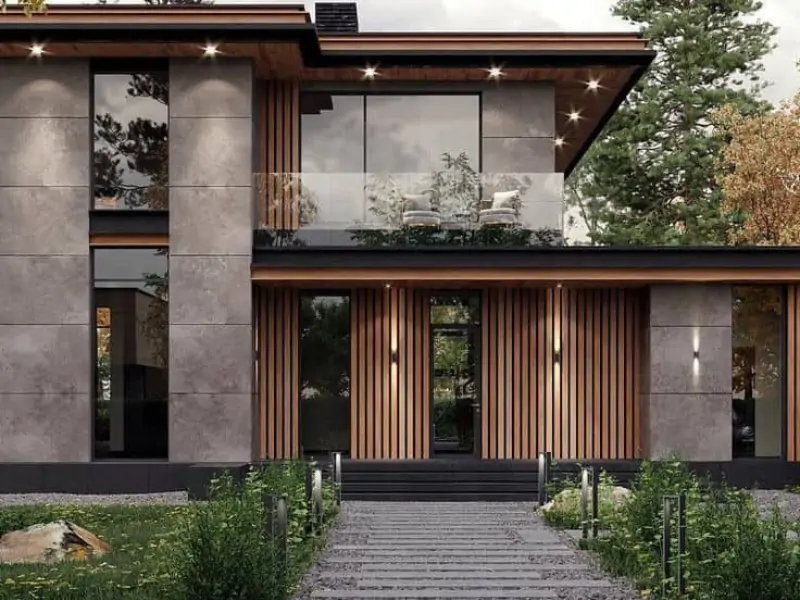
Aluminium cladding system is a lightweight, durable, and versatile exterior building material used to protect and enhance the appearance of structures. Made from aluminium sheets or composite panels, it serves as a protective outer layer while offering design flexibility for modern architecture.

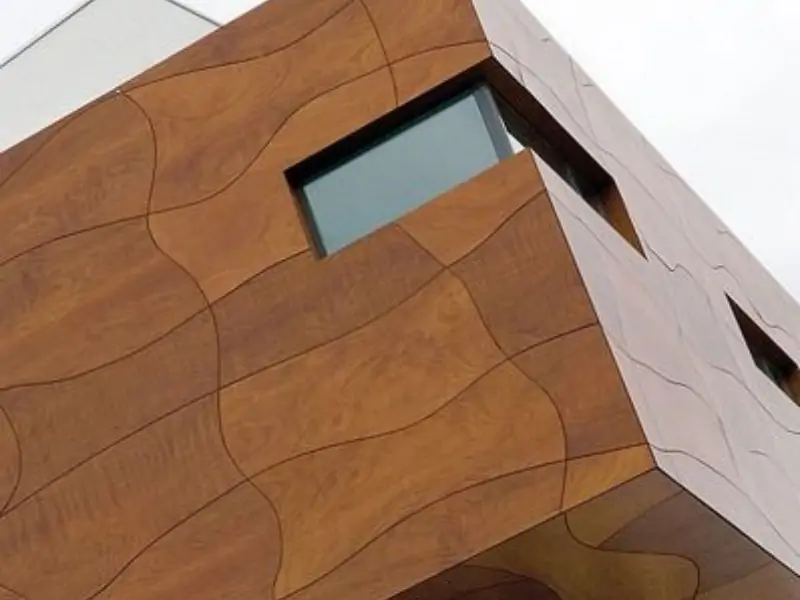

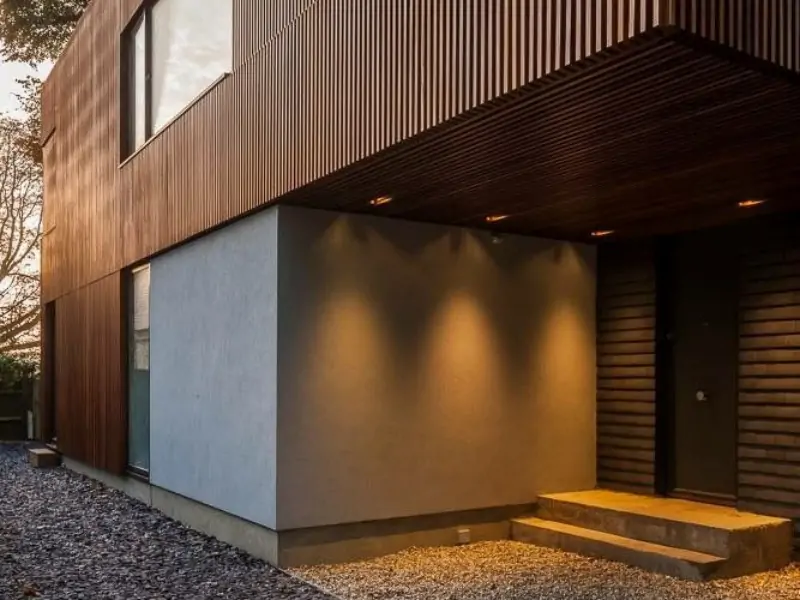


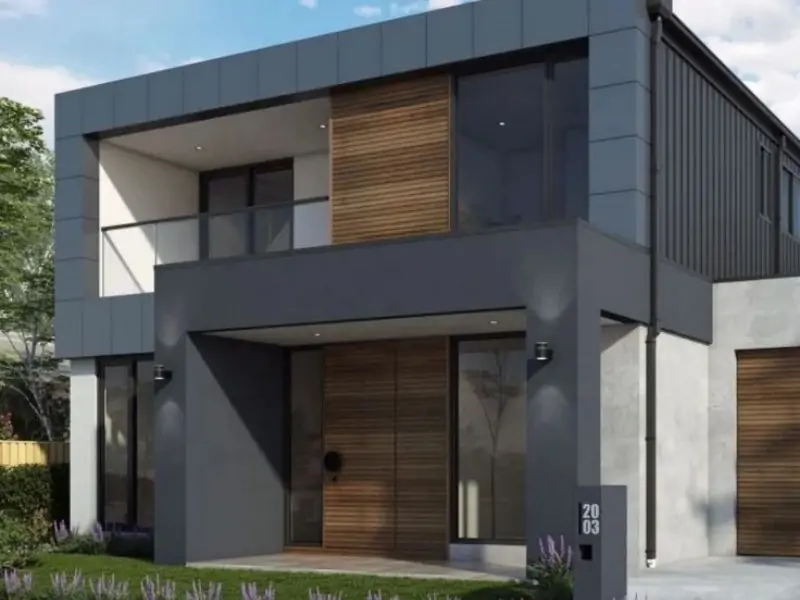
Key Factors That Influence Your Final Price
The wide cost ranges seen in cladding projects are a direct result of several key variables. Understanding these factors is essential for accurately budgeting and interpreting contractor quotes.
Material Selection
The specific type of aluminium panel chosen is the most significant driver of material cost. There are distinct quality and price tiers that cater to different budgets and aesthetic goals.
Best (Premium Architectural Panels): High-end, architectural products like premium wood-look longboard siding are substantially more expensive. Material costs for these panels start at $14 to $18 per square foot and can exceed $21 for premium brands, offering unparalleled aesthetics and modern design appeal.

Good (Standard Panels): Standard corrugated or simple horizontal panels represent the most budget-conscious option. Material costs typically range from $3 to $7 per square foot. These are durable, functional, and offer the core benefits of aluminium.
Better (Enhanced Panels): Smooth or embossed horizontal panels offer a more refined look and fall into a mid-range price tier, with material costs of $4 to $8 per square foot.
Here is a summarized table based on the material selection and cost details you provided:
| Category | Panel Type | Description | Typical Cost (per sq ft) |
|---|---|---|---|
| Good (Standard Panels) | Corrugated / Simple Horizontal | Budget-friendly, durable, functional | $3 – $7 |
| Better (Enhanced Panels) | Smooth / Embossed Horizontal | More refined appearance, mid-range pricing | $4 – $8 |
| Best (Premium Architectural Panels) | Premium Wood-Look / Longboard Siding | High-end aesthetics, modern design appeal | $14 – $18+ (up to $21+ for top brands) |
| Aluminum Composite Panels (ACP) | PE Core (3mm–6mm) | Cost depends on thickness and core type; standard for general use | $15 – $25 |


Finishes and Coatings
The finish applied to the aluminium panel affects its appearance, durability, and cost. The two primary options are powder coating and anodizing.
- Powder Coating: This process involves applying a dry powder electrostatically, which is then cured under heat. It is generally the more budget-friendly option. Its main advantage is an almost limitless palette of colors and a variety of textures, including matte, gloss, and even realistic wood-grain finishes. While durable, the coating can chip or scratch, potentially exposing the metal underneath and requiring touch-ups.
- Anodizing: This is an electrochemical process that thickens the natural protective oxide layer on the aluminium’s surface. The finish is integral to the metal itself, meaning it cannot peel or chip. This provides superior durability and corrosion resistance, making it ideal for harsh environments like coastal areas. Aesthetically, it provides a premium, natural metallic luster but is available in a more limited range of colors, typically metallic shades like silver, bronze, and gold. Due to the more complex process, anodizing is the more expensive option.
| Feature | Powder Coated Aluminium | Anodized Aluminium |
| Cost | More budget-friendly | Higher initial cost |
| Durability & Lifespan | Good (10-15 years); can chip or scratch | Excellent (20-30+ years); will not peel or chip |
| Corrosion Resistance | Good | Superior, especially in coastal/industrial areas |
| Color & Finish Options | Nearly unlimited colors and textures (matte, gloss, wood) | Limited to metallic shades (silver, bronze, gold) |
| Maintenance | May require touch-ups for chips/scratches | Minimal; periodic cleaning with mild detergent |
| Best For… | Projects requiring specific colors; budget constraints | High-end architectural projects; harsh environments |
Labor and Installation Complexity
Labor is a significant component of the total project cost, typically ranging from $1 to $9 per square foot. This variation is influenced by regional wage differences and, critically, the complexity of the building’s architecture. For example, the average installation cost for aluminium siding in Oakland, CA, is $6.48 to $8.23 per square foot, compared to $4.06 to $5.16 per square foot in Indianapolis, IN.
Several other costs contribute to the final budget:
- Trims and Accessories: These can add an additional 10-20% to the material cost, depending on project complexity.
- Removal of Old Siding: Disposing of existing siding can cost anywhere from $0.25 to $3.75 per square foot, depending on the material.
- Building Permits: Depending on the municipality and project scope, permits can range from $150 to $2,000.
DIY vs. Hiring a Pro? Aluminium Cladding Installation 5 Points Must Be Attended To. It is strongly recommended to hire a professional contractor rather than do it yourself (DIY) when installing external wall cladding.
DIY may seem like a good way to save on labour costs (about $5-$9/sq. ft.), but it requires expensive, specialised tools and equipment that may be beyond your budget. Local building codes often require professional installation and inspection, which DIY may not comply with.
The value of hiring a pro:
- Ensure correct and efficient completion: Avoid installation errors.
- Save stress: Eliminate the burden and risk of doing it yourself.
- Material cost advantage: Usually get better material prices.
- Rich experience in materials: Familiar with the characteristics and installation points of different cladding materials.
- Strong risk management ability: Able to properly handle potential problems during installation.

Aluminium vs. The Alternatives: A Comparative Investment Analysis
Choosing a siding material involves weighing its upfront cost against its long-term performance, durability, and return on investment. Aluminium’s value proposition becomes clearer when compared to its primary competitors: fiber cement and vinyl. The lowest initial price does not always equate to the best long-term value.
Aluminium vs. Fiber Cement Siding
This is a comparison between two highly durable, low-maintenance options.
- Cost & ROI: Fiber cement typically has a slightly higher upfront installed cost, averaging $4.70 to $8.50 per square foot. However, it often provides one of the highest returns on investment (ROI) for any home improvement project, with some reports showing an 88.5% cost recoup. Aluminium is more budget-friendly initially but may have a slightly lower resale value appeal.
- Durability & Lifespan: Fiber cement is exceptionally resistant to impact from hail or debris. Aluminium, being a softer metal, is more prone to denting. Consequently, fiber cement boasts a longer potential lifespan of 50+ years, compared to 40+ years for well-maintained aluminium.
- Maintenance: Both materials are considered low-maintenance. However, the factory-applied color on premium fiber cement can last for over 15 years, whereas painted aluminium finishes can fade or develop a chalky texture over time, potentially requiring repainting every 10-15 years to maintain their appearance.
Aluminium vs. Vinyl Siding
This comparison pits a mid-range material against the most common budget-friendly option. For more details, please see our blog[aluminium-siding-vs-vinyl]
- Cost: Vinyl siding is generally the most affordable cladding material, with installed costs ranging from $2.50 to $10.75 per square foot. This positions aluminium as a distinct step-up in both price and quality.
- Durability: Aluminium offers superior performance in several key areas. It is non-combustible and fire-resistant, whereas vinyl can melt under high heat. Aluminium is also unaffected by extreme cold, while vinyl can become brittle and crack. However, vinyl is more resistant to denting from minor impacts.
- Aesthetics: While vinyl offers many styles, it is often perceived as a standard, entry-level finish. High-quality aluminium, particularly with architectural profiles or an anodized finish, provides a more premium, modern aesthetic that can significantly enhance curb appeal.
- Sustainability: Aluminium is a clear winner in this category. It is 100% recyclable without any loss of quality and is a better insulator than non-insulated vinyl siding, contributing to better energy efficiency.
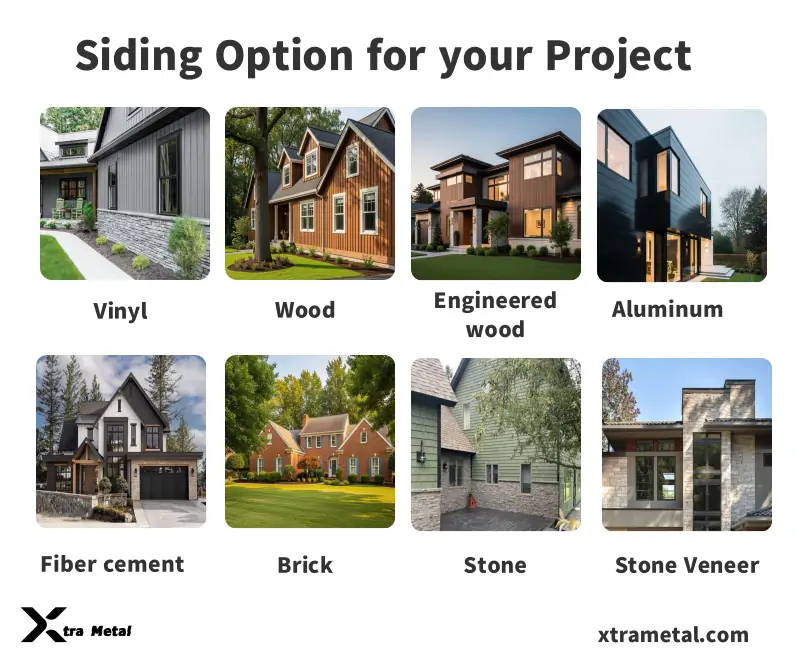
| Siding Material | Avg. Installed Cost/Sq. Ft. | Lifespan | Maintenance | Key Pros | Key Cons | Return on Investment (ROI) |
| Aluminium Siding | $5.50 – $10.50 | 40+ years | Low | Fireproof, rustproof, recyclable, paintable, good for cold climates | Dents easily, finish can fade/chalk, can be noisy if installed poorly | Good |
| Fiber Cement Siding | $4.70 – $8.50 | 50+ years | Low-Moderate | Highly durable, fire/pest resistant, wood-like look, long-lasting color | Heavy, requires specialized installation, higher initial cost | Excellent |
| Vinyl Siding | $2.50 – $10.75 | 20-40 years | Very Low | Affordable, wide color selection, resists moisture | Can crack/melt, less eco-friendly, can look less premium | Moderate to Good |
| Wood Siding | $2.25 – $15.25 | 20-40 years | High | Beautiful aesthetic, increases home value | Prone to rot/pests, requires frequent staining/painting | Variable |
Maintenance And Long-Term Value
The long-term performance and value of an aluminum cladding system are determined by factors that go far beyond the initial purchase price. Technical specifications, installation quality, and sustainability credentials are all critical components of a successful project.
Aluminium cladding is known for its low maintenance, which contributes to its long-term value:
- Durability: Aluminium resists corrosion and weathering, with a lifespan of 20–40 years or more.
- Maintenance: Occasional cleaning with water and mild detergent is typically sufficient, costing minimal amounts annually.
- Long-Term Savings: Unlike wood, which requires regular painting or sealing, aluminium’s low upkeep can save thousands over its lifespan.
Get in touch for tailored advice on materials, installation techniques, and cladding costs for your next project.
Ways You Can Save Money on Your Project Cladding
Consider the following tips for lowering the cost of adding or replacing your project‘s cladding.
- Choose Cost-Effective Types: Choose a budget-friendly material: Opt for cost-effective cladding materials like vinyl or wood instead of more expensive options like weatherboard or stone veneer.
- Bulk Purchasing: Buy materials in bulk for larger projects to negotiate discounts.
- Simplify Designs: Avoid overly complex patterns or custom finishes to reduce costs.
- Get Multiple Quotes: Compare prices from at least three suppliers or contractors.
- Time Your Project: Schedule installation during off-peak seasons for potential labor discounts.
Frequently Asked Questions
What’s the difference between siding and cladding?
Siding and cladding both serve as exterior building envelopes but differ in scope and application. Siding specifically refers to wall-covering materials designed primarily for weather protection and aesthetic enhancement, often in residential projects (e.g., aluminum, vinyl, or wood panels). Cladding is a broader term encompassing all exterior-layer systems that integrate structural, thermal, and fire-resistant performance, typically used in commercial or high-performance buildings (e.g., ventilated façades, composite panels).
What is the typical lifespan of aluminum cladding?
With proper installation and maintenance, aluminum cladding has a typical lifespan of 40 years or more. High-quality finishes, such as anodizing, can last 20-30 years before showing significant wear.
Can you install aluminum siding yourself?
While a skilled DIYer might handle small repairs, a full-home installation is not a recommended DIY project. It requires specialized tools, such as a siding brake, and precise techniques to manage expansion gaps, flashing, and sealing. Improper installation can lead to significant problems like water infiltration, warping, and poor aesthetic results, making professional installation a worthwhile investment.
Have Any Questions?
At XtraMetal, we go beyond supplying materials and offer our customers an end-to-end service, customised solutions to ensure each aluminum cladding meets your performance, budget, and design goals
If the project you are working on requires more than just a standard facade, please contact us. Our professional team is available 24 hours a day.