What Are Metal Cladding Panels?
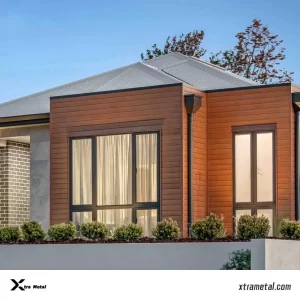
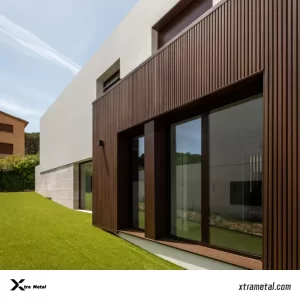
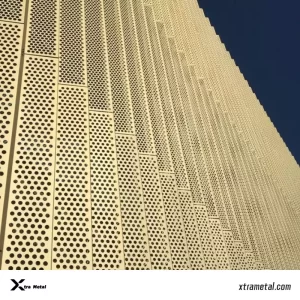
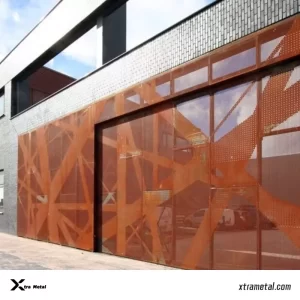
Metal cladding panels act as protective covers in building projects. They help keep buildings safe from bad weather and make them last longer. The most common cladding materials are steel, aluminum cladding,zinc,and copper. Metal cladding construction helps save energy because it adds insulation. Cladding in construction makes buildings look modern and nice. Metal cladding panels can fit many different styles. Cladding keeps out water, fire, and bugs. Many builders use cladding to make walls and roofs stronger. Metal cladding construction helps buildings last longer and lowers repair costs. For the design side of the same material, our aluminium cladding design guide maps each visual effect, including woodgrain, perforated and curved panels, to a buildable specification.
- Cladding gives strong protection.
- Metal cladding panels make buildings look better.
- Cladding helps save energy in building projects.
- Metal cladding doesn’t need more maintenance.
What Are Different Types Of Metal Cladding?
Panel Types
Builders use many panel types in metal cladding systems. Metal wall panels can be flat, corrugated, or insulated. Flat panels make buildings look smooth. Corrugated panels give texture and more strength. Insulated panels help keep buildings warm or cool. Aluminum, steel, zinc, and copper panels are common. Each panel type works for different building needs. Some panels are best for big walls. Others are good for small details or accents. The cladding materials change how panels work in tough weather.
System Profiles
A metal cladding system uses profiles to join panels. Flatlock, snaplock, interlocking, cassette, and standing seam are used a lot. Flatlock panels overlap and make a flat look. Snaplock panels snap together fast. Interlocking panels fit tightly and keep water out. Cassette panels look like boxes and fit modern styles. Standing seam panels have raised seams to stop water. Each profile changes how panels look and work. Builders choose profiles for style and weather needs.
| Profile Type | Main Feature | Best Use |
|---|---|---|
| Flatlock | Flat, smooth surface | Walls, accents |
| Snaplock | Fast installation | Walls, roofs |
| Interlocking | Tight fit, water-safe | Walls, roofs |
| Cassette | Box shape, modern | Walls, facades |
| Standing Seam | Raised seams, strong | Roofs, walls |
Wall and Roof Applications
Metal cladding covers walls and roofs in many projects. Builders use metal wall panels for outside walls, inside features, and ceilings. Roofs often use standing seam or snaplock panels for more safety. The metal cladding system depends on what the building is for. Factories need strong steel panels. Homes use light aluminum panels. Zinc and copper panels add style to offices and schools. Cladding materials help buildings last longer and look nice. Different metal cladding types work for new buildings and remodels.

How Much Do Exterior Metal Wall Panels Cost?
The cost of exterior metal wall panels can vary widely depending on the material, finish, panel profile, thickness, and installation complexity.
You can use the calculator for free to estimate the cost of your project quickly and accurately:
What Are The Advantages Of Metal Cladding?
Protection and Durability
Metal cladding gives buildings strong protection. Builders pick cladding because it stands up to bad weather. Steel and aluminum panels do not rust or break. Metal cladding helps keep buildings safe from fire. Many schools and offices use cladding for walls and roofs. Metal cladding does not attract bugs or mold. Builders need fewer repairs over time. Metal cladding means less damage and lower costs.
Insulation and Energy Efficiency
Metal cladding helps buildings save energy. Insulated panels keep heat inside in winter. In summer, cladding keeps buildings cool. This saves money on heating and cooling bills. Builders use metal cladding to meet energy rules. Foam inside panels adds more insulation. Metal cladding helps with green building goals. Many schools and factories use cladding to save energy.
| Feature | How It Helps |
|---|---|
| Insulation | Keeps heat in or out |
| Energy Efficiency | Saves money on bills |
| Fire Resistance | Adds safety |
Sound and Weather Resistance
Metal cladding blocks noise from busy streets. Builders use cladding to make buildings quieter inside. Metal cladding stops water from getting in. Fire resistance protects buildings from heat and flames. Cladding stands up to strong winds and heavy rain. Many hospitals and stores use metal cladding for better sound and weather resistance.
Design and Aesthetics
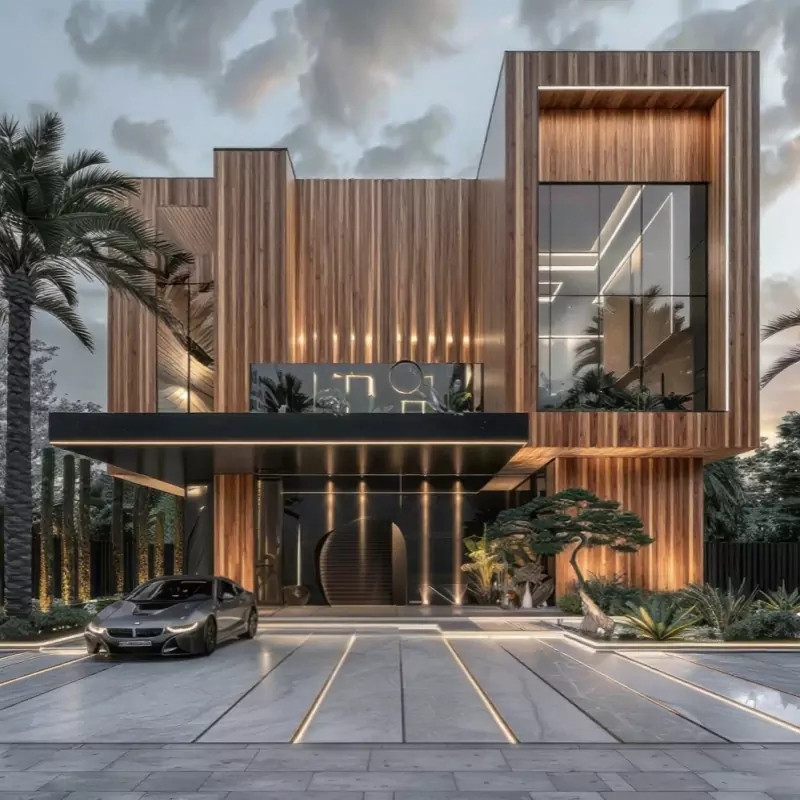
Metal cladding gives buildings a modern look. Builders pick cladding for many styles and colors. Metal cladding fits offices, homes, and schools. Fire resistance lets designers use cladding in more places. Cladding makes buildings stand out. Metal cladding panels add value and beauty to buildings.


What Are The Disadvantages Of Metal Cladding?
Metal cladding has many good points, but it also has some problems. Builders and owners need to know these problems before picking cladding for their buildings.
1. Higher Initial Cost
Cladding made from metals like copper or zinc costs more than some other choices. The price of metal cladding panels and putting them in can make the whole project cost more. Some jobs need special tools or skilled workers, which makes it even more expensive.
2. Risk of Dents and Scratches
Metal cladding can get dents or scratches if something hard hits it. Hail, tree branches, or building tools can hurt the panels. Some metals, like aluminum, are softer and can show marks more easily.
3. Corrosion and Rust
Many kinds of cladding do not rust, but some metals can still get rusty over time. If the panels are not put in right or the coating gets damaged, water can reach the metal. This happens more in places with salty air or lots of rain.
4. Noise Issues
Rain or hail can make loud noises on metal cladding. Buildings in busy places might also hear more noise from outside. Some builders add extra insulation to help with this problem.
5. Complex Repairs
Fixing cladding that is damaged can be tricky. Workers might have to take off big parts to fix the problem. This takes a lot of time and can cost more money.
Note: Checking cladding often and putting it in the right way can stop many problems in construction.
| Disadvantage | Impact on Construction |
|---|---|
| High Cost | Raises project budget |
| Dents/Scratches | Needs careful handling |
| Corrosion | May shorten panel lifespan |
| Noise | Can affect comfort inside |
| Hard to Repair | Increases maintenance time |
Every building project should consider these problems and the good points. Good planning helps builders get the best results from metal cladding.
Common Materials For Metal Cladding Panels

1. Aluminum
Advantages: Aluminum is naturally resistant to rust and corrosion, and its lightweight yet strong nature makes it suitable for modern architectural projects. Its excellent strength-to-weight ratio allows for simpler support structures in cladding systems.
Limitations: Aluminum is prone to scratching and denting and may corrode in certain environments, such as high-salinity areas. Additionally, it has a higher thermal expansion coefficient, requiring careful design to accommodate movement.
2. Steel
Advantages: Steel offers exceptional strength and durability, making it ideal for areas exposed to impact or heavy loads. Stainless steel provides excellent corrosion resistance, while galvanized steel is cost-effective and long-lasting. Weathering steel (Corten) develops a protective patina that enhances its resistance over time.
Limitations: Steel is heavier than aluminum, requiring stronger support structures. Without proper protective coatings, it can be susceptible to rust, especially in humid or coastal environments.
3. Copper
Advantages: Copper is highly durable, corrosion-resistant, and develops an attractive green patina over time that adds character and further protects the surface. It is fully recyclable and valued for its premium aesthetic.
Limitations: Copper is more expensive than most metals and can stain adjacent materials due to water runoff. Its surface may change color unevenly depending on environmental exposure.
4. Zinc
Advantages: Zinc is long-lasting and features a self-healing surface that can repair scratches through natural patina formation. It offers excellent corrosion resistance and can be shaped into complex forms for unique designs.
Limitations: Zinc is softer than other metals and may be prone to denting. It is also sensitive to acidic conditions, which can cause premature surface degradation.
5. Titanium
Advantages: Titanium is extremely strong, lightweight, and corrosion-resistant, even in harsh marine environments. Its sleek, modern appearance makes it popular for high-end architectural projects.
Limitations: Titanium is significantly more expensive than other cladding materials and may require specialized fabrication and installation techniques.
What Is The Best Metal For Cladding?
When it comes to choosing the best metal for cladding, aluminum stands out as the top choice for most modern architectural applications.
Why Aluminum is the Best Choice
- Corrosion Resistance: Naturally resistant to rust and corrosion, making it suitable for a wide range of climates, including coastal environments.
- Lightweight & Strong: Its high strength-to-weight ratio allows for simpler and more cost-effective support structures without compromising durability.
- Design Versatility: Available in a vast range of finishes, including powder coating, anodizing, and realistic woodgrain effects, aluminum can complement any architectural style.
- Low Maintenance: Requires minimal upkeep compared to other metals, maintaining its appearance for years.
- Sustainability: Fully recyclable, making it an environmentally friendly option for sustainable building projects.
XtraMetal – Your Trusted Aluminum Cladding Partner
At XtraMetal, we believe in delivering more than just materials — we deliver Extra Experiences. As a global leader in innovative Batten & Cladding Solutions, we bring modern wall design to any space.
We specialize in customizing aluminum cladding solutions that align perfectly with your project’s performance, budget, and aesthetic goals. From consultation to installation, our end-to-end service ensures your vision comes to life with unmatched precision and style.
With XtraMetal, you’re not just choosing the best cladding material — you’re choosing a partner dedicated to making your architectural ambitions a reality.
Want to see how you can enhance your space with permanent beauty?
Metal Cladding vs. Other Materials
Key Takeaways
- Metal cladding stands out for its lightweight nature, design versatility, and low maintenance compared to other materials.
- Concrete and brick offer excellent durability and insulation, but their heaviness increases structural load and installation complexity.
- Glass curtain walls provide a modern aesthetic, but require frequent maintenance and lack insulation.
- Composite panels balance lightweight properties and insulation, but may not be as durable as solid metal options.

When choosing a cladding material, it is essential to consider project-specific requirements, including structural capacity, energy efficiency, climate conditions, and long-term maintenance costs.
How To Choose The Right Metal Cladding Systems?
When selecting a metal cladding system, it is essential to consider multiple factors to ensure its performance, aesthetics, and cost-effectiveness align with project requirements. Below are some key considerations:

1. Durability
The lifespan of a metal cladding system largely depends on the material’s ability to withstand weathering, corrosion, and physical damage. High-quality metals like aluminum, stainless steel, and zinc offer excellent resistance to rust and require minimal maintenance. Durability also ensures long-term cost savings by reducing the need for frequent repairs or replacements.
2. Fire Resistance
Different metals have varying fire performance ratings. Non-combustible materials such as aluminum and steel can help improve a building’s fire safety. Choosing a system that meets local fire codes is essential for protecting both the structure and occupants.
3. Thermal Insulation
While metal itself is a good conductor of heat, cladding systems can be paired with appropriate insulation layers to improve energy efficiency. Effective thermal insulation helps regulate indoor temperatures, reduces HVAC loads, and lowers energy bills.
4. Acoustic Insulation
Metal cladding systems can be designed with insulation or perforated panels combined with acoustic backing to reduce noise transmission. This is particularly important for buildings in busy urban environments or near transport corridors.
5. Environmental Impact
Sustainable metal cladding materials, such as recyclable aluminum or zinc, help minimize the environmental footprint. Consider the energy and resources required for production, transportation, and end-of-life recyclability when making your selection.
6. Wind Action
Cladding systems must be engineered to withstand wind loads specific to the building’s location. Proper fastening, panel strength, and structural support are crucial to prevent panel deformation or detachment during high winds or storms.
7. Expansion and Contraction
Metals naturally expand and contract with temperature changes. Aluminum, for instance, has a higher thermal expansion coefficient than steel, so the cladding design must allow for movement to prevent buckling, warping, or joint failures.
8. Aesthetics and Design
Metal cladding offers a wide range of colors, textures, and finishes — from sleek metallic looks to realistic woodgrain effects. The right design can enhance a building’s character, improve curb appeal, and align with branding or architectural goals.
9. Cost and Budget
While initial cost is an important factor, it should be balanced with durability, maintenance requirements, and life-cycle value. High-quality metals like aluminum may have a higher upfront cost than some alternatives but can deliver better long-term performance and lower maintenance expenses.
Future Trends in Architectural Metal Cladding Systems
Prefabrication & Modular Construction
To improve construction efficiency and reduce on-site labor costs, modular metal cladding systems are gaining traction.
To improve construction efficiency and reduce on-site labor costs, modular metal cladding systems are gaining traction.
- Factory-Preassembled Panels: Prefabricated metal panels are produced in controlled environments, ensuring higher quality, faster installation, and lower waste.
- 3D-Printed Metal Facades: With the rise of additive manufacturing (3D printing), complex metal facade designs can now be custom-produced with reduced material waste.
Prefabricated modular cladding panels enable faster assembly, reducing project timelines by up to30% compared to traditional on-site installation.

Sustainability Feature
Sustainability is important in building today. Metal cladding panels often use recycled materials. Many panels can be recycled again when old. This helps cut down on waste and saves resources. Factories try to use less energy and water to make panels. Some panels have coatings that last longer and need less care.
Lightweight & High-Performance Materials
The demand for strong yet lightweight materials is pushing the development of next-generation alloys and composite metal panels.
- Ultra-Lightweight Metal Alloys: New formulations in titanium-aluminum alloys and magnesium composites improve strength while reducing overall weight.
- Antibacterial & Air-Purifying Surfaces: Some advanced coatings now feature antimicrobial properties, preventing bacterial growth—especially beneficial for healthcare and commercial buildings.
- Corrosion-Resistant Innovations: Next-gen superhydrophobic coatings repel water and resist salt damage, making them ideal for coastal and humid environments.
Titanium-clad buildings offer long-lasting durability with minimal maintenance, making them an emerging choice for high-end commercial facades.
FAQs
Is metal cladding expensive?
The cost of metal cladding depends on the material type, finish, and installation complexity. Common options like aluminum and steel cladding are competitively priced, typically ranging from $10–$50 per square foot installed. While premium metals such as zinc, copper, or titanium are more expensive, metal cladding often proves cost-effective in the long run due to its durability, low maintenance, and long lifespan.
Is metal cladding cheaper than brick?
Yes, in many cases, metal cladding can be cheaper than brick — both in material cost and installation time. Metal panels are lightweight, require less structural support, and can be installed faster, reducing labor costs. Brickwork, while traditional and durable, involves longer installation times and higher labor expenses. Over time, metal cladding can also save on maintenance costs compared to brick.
What is the difference between metal cladding and plating?
Metal Cladding is the process of covering a building’s exterior (or interior) with metal panels to provide protection, insulation, and aesthetic appeal. It is primarily an architectural and weatherproofing solution.
Metal Plating involves applying a thin layer of metal onto another surface (usually for decorative or protective purposes), often using electroplating or chemical methods. Plating is common in manufacturing, jewelry, and small components — not large-scale building façades.
What Architectural metal wall panels are used in architecture?
Architectural projects use various types of metal wall panels, including:
- Aluminum panels – Lightweight, corrosion-resistant, and available in custom finishes such as powder coating or woodgrain.
- Steel panels – Strong and impact-resistant, available in galvanized, stainless, or Corten steel options.
- Copper panels – Premium look that develops a natural green patina over time.
- Zinc panels – Long-lasting, self-healing surface with unique patina effects.
- Titanium panels – Extremely durable and used for high-end projects.
What are the applications of metal panels for the exterior walls of a house?
Metal wall panels for houses are used in:
- Exterior façades – Modern, sleek home designs.
- Accent walls – Adding texture and contrast to exterior features.
- Garage doors and entrances – Durable and stylish protection.
- Balcony and soffit cladding – Enhancing architectural detail.
- Energy-efficient wall systems – Integrating insulation for better thermal performance.
Metal panels are popular in modern residential architecture because they offer weather resistance, low maintenance, and design versatility.
If your project also involves ceiling design, see our metal ceiling types guide for a full comparison of Baffle, Linear, Clip-in and other suspended systems.
Cost depends on more than the panel alone. Our aluminium cladding cost guide breaks down alloy grade, thickness, surface finish, installation method and supply chain as the five variables that drive every cladding quote.
Specifying the right panel is the first step. Choosing the right supplier is the second. Our how to choose an aluminium cladding supplier guide provides a reusable evaluation scorecard and a 10-question supplier audit.