In this article, we will explore the advantages of using aluminum cladding, such as its durability, low maintenance costs, energy savings, and other benefits. We will also discuss how aluminum cladding compares to other materials to help you make the best choice for your project.
Aluminum cladding helps save energy. It keeps buildings warm in winter. It keeps them cool in summer. It uses special insulation and reflective coatings.
It lowers heating and cooling costs. It stops heat from escaping. It reflects sunlight. This helps buildings stay comfortable all year.
Aluminum cladding is lighter than brick, wood, and vinyl. It is more durable. It is easier to take care of. It is better for the environment.
Aluminum cladding lasts over 40 years. It can resist bad weather and fire. It needs little care. This makes it a smart choice for a long time.
It is easy to recycle. It is eco-friendly. It helps cut down on waste and carbon emissions. It supports green building practices.
Here is a comparison table of different Cladding Materials:
Cladding Material
Energy Efficiency
Insulation Value
Impact on Energy Bills
Aluminum Composite Panels
High
Good
Lower
Solid Aluminum
Moderate
Needs extra
Moderate
Stone Veneer
Low
Poor
Higher
Wood
Moderate
Good
Moderate
Insulation and Thermal Performance
Aluminum cladding energy efficiency is important in new buildings. Aluminum panels use special insulation to stop heat from moving. Many aluminum cladding systems have thermal breaks inside. These thermal breaks block heat from passing through the metal. This helps keep heat inside during winter and outside in summer. Buildings with solid aluminum cladding and good thermal breaks can use up to 30% less energy. Thermal breaks also help stop water from building up, which keeps buildings strong and comfortable.
Aluminum wall panels often work better than other metal cladding. They break the path of heat, which is called reduced thermal bridging. This can make the wall’s insulation work 40% to 57% better than walls without thermal breaks. Good installation and picking the right materials are needed for the best results. Aluminum cladding systems also reflect sunlight. This keeps buildings cooler when it is hot outside. Reflective aluminum panels and strong insulation make them a great choice for saving energy.
Impact on Heating and Cooling Costs
Aluminum cladding energy efficiency helps lower heating and cooling costs. Aluminum panels with shiny surfaces reflect up to 75% of sunlight. This stops a lot of heat from getting inside, so air conditioners do not have to work as hard in summer. In winter, solid aluminum cladding helps keep warmth inside, so less heating is needed. This means buildings use less energy and stay at a steady temperature.
The table below shows how aluminum cladding can change yearly energy costs for commercial buildings:
Impact Aspect
Effect/Value
Explanation/Context
Cooling cost reduction
Up to 30% reduction
Aluminum cladding’s high reflectivity reduces solar radiation absorption, lowering cooling expenses.
Heating cost savings
Up to $10 per square foot annually
Reflective properties and insulation reduce heat loss during cold months, saving on heating bills.
Solar radiation reflection
Up to 75% reduction
High reflectivity of aluminum cladding minimizes heat gain from sunlight, especially in hot climates.
U-value reduction
Up to 30% decrease
Based on the National Institute of Building Sciences study showing overall energy savings.
Energy consumption savings
$1.50 per square foot annually (average)
Based on National Institute of Building Sciences study showing overall energy savings.
Air movement reduction
Up to 50% reduction
Aluminum cladding minimizes air leaks and convection currents, stabilizing indoor temperatures.
Thermal conductivity comparison
40% lower than steel framing systems
Indicates better insulation performance compared to some traditional materials.
Energy consumption reduction
Up to 20% longer maintenance of efficiency
Aluminum cladding maintains insulation integrity longer than traditional materials.
Aluminum wall panels help keep indoor temperatures comfortable all year. High reflectivity on aluminum panels bounces sunlight away and lowers cooling needs. Low-emissivity coatings on the inside help stop heat from escaping, so less energy is needed for heating and cooling. Tests from different climates show that aluminum cladding energy efficiency saves energy in every season.
Shiny aluminum wall panels reflect sunlight and lower cooling needs.
Low-emissivity coatings on solid aluminum cladding cut heat loss in winter and heat gain in summer.
Tests show energy savings for both heating and cooling when using reflective aluminum cladding.
Aluminum panels help control heat movement, which means less HVAC energy use and steadier indoor temperatures.
Aluminum cladding systems with good insulation and shiny coatings save a lot of energy. They help buildings use less energy, lower bills, and save money over time. Aluminum wall panels and solid aluminum cladding are top choices for energy-efficient metal cladding in 2025.
Aluminum Recycling
Weather Resistance
Aluminum cladding is very good at handling bad weather. It makes a special layer that protects it from rust and water. Extra coatings are added to make it even stronger against rain, snow, and sun. Builders in the USA use aluminum cladding in places with lots of storms or rain. It keeps water out and keeps the building safe.
Factor
Aluminum Cladding
Stone Cladding
Weather Resistance
Stays strong in bad weather, does not rust
Strong but heavy, harder to put up
Maintenance
Easy to care for, does not rust or stain
Strong but can get hurt by strong cleaners
Installation
Light and simple to install
Heavy and takes more work to install
Aluminum cladding does not scratch or stain easily. It looks nice with little work. It is light, so it is easier to put up and does not break in storms. Many builders pick aluminum composite panels because they work well everywhere. They also need less work to install than other materials.
Solar Integration aluminum cladding building
Longevity and Upkeep
Aluminum cladding can last more than 40 years if cared for. Its special coating and finishes stop it from fading, cracking, or bending. Wood can rot or get bugs, but aluminum stays strong and does not need much painting. Vinyl siding can break in the sun, but aluminum keeps its color and shape.
You only need to clean aluminum cladding sometimes to get rid of dirt.
Checking it often helps it look good and work well.
Newer systems have insulation that saves energy and helps with heating and cooling.
Aluminum panels fit together so they can move with hot or cold weather. This stops them from bending. Powder coatings help buildings save energy and lower costs over time. Aluminum is tough and easy to care for. It is a smart pick for buildings that need to last a long time and work well.
Sustainability and Recyclability
Aluminum cladding is one of the most eco-friendly building materials. Builders like it because it can be recycled many times. It does not lose its quality when recycled. Most aluminum today comes from recycled sources. This means less trash goes to landfills. It also means we do not need as many new resources. The table below shares key facts about aluminum cladding and how it helps the planet:
Sustainability Aspect
Details
Recycled Content
About 75% of all aluminum ever made is still being used.
Recyclability Rate (Europe)
In construction, 92% to 98% of aluminum gets recycled in Europe.
Global Recycling Rate
Around 76% of aluminum is recycled worldwide.
Material Characteristics
It is strong, light, and can be recycled over and over.
Embodied Carbon Footprint
It has more carbon than some materials; in Europe, it is about 6.67 CO2e/kg.
Sustainability Implication
High recycling and recycled content help the earth and cut down on landfill waste.
Aluminum cladding helps make a circular economy. Builders can take down old panels and recycle them into new things. This helps use fewer new materials and cuts down on mining. Many architects now pick aluminum for green buildings and projects that last a long time.
Carbon Footprint
Aluminum cladding has a special carbon footprint. Making new aluminum uses a lot of energy. But recycling aluminum only takes about 5% of that energy. This big difference means recycled aluminum panels are much better for the planet. Aluminum is light, so trucks use less gas to move it. This lowers pollution from transport.
Aluminum cladding has many good points compared to other claddings. It lasts a long time and does not rust. This means buildings need fewer repairs and replacements. That saves resources and makes less waste. Aluminum panels also help save energy because recycling uses less power and produces less pollution. Compared to metal composite panels, aluminum cladding is easier to recycle and has a smaller carbon footprint. Metal composite panels often have plastic inside, which is harder to recycle and can hurt the earth.
Aluminum composite panels do take a lot of energy to make. But their high recycled content and full recyclability help balance this out. Builders who want to use green materials often pick aluminum cladding for its long-term benefits and lower impact.
Aluminum cladding panel solution
Advanced Insulation Technologies
In 2025, solid aluminum cladding is leading new ways to keep buildings warm or cool. Many builders use aluminum-clad window systems like All Clad Windows. These windows have solid aluminum cladding on the outside and wood on the inside. The frames use layers of glass and special seals. This helps keep heat inside in winter and blocks heat in summer. The aluminum outside stops the windows from fading or peeling. The wood inside gives extra insulation and makes rooms feel cozy.
Solid aluminum cladding is also used in wall systems with new insulation ideas. Some wall systems use insulation that covers the whole wall and air barriers. For example, StoTherm® ci EIFS uses solid aluminum cladding and strong insulation. This keeps buildings warm in winter and cool in summer. Other systems use mineral wool or polystyrene for even better insulation. These new ways help lower energy bills and keep rooms comfortable.
Builders pick solid aluminum cladding for:
Better at stopping heat from escaping
Less heat loss
Quieter rooms
Fire Resistance and Safety
Solid aluminum cladding is very good at stopping fires. Modern aluminum composite panels have a mineral core that does not burn. This helps stop the fire from spreading. Solid aluminum cladding does not burn and melts at about 660°C. These things make it safer than many other materials.
Aluminum cladding systems now pass tough fire safety tests like ASTM E84 and NFPA 285. These tests check how fast fire spreads and how well the panels stop fire. Aluminum composite panels with fire-resistant cores protect buildings in risky places. Solid aluminum cladding also does not rust or corrode, so it stays strong for a long time.
Feature
Solid Aluminum Cladding
Aluminum Composite Panels
Other Materials
Fire Resistance
High
High with mineral core
Varies
Corrosion Resistance
Excellent
Excellent
Often lower
Safety Standards Met
Yes
Yes
Not always
Installation and Design Flexibility
Aluminum cladding is easy to put on buildings. It is also very flexible for design. Builders can bend, paint, and shape aluminum panels in many ways. This helps them fit different building styles. Architects can use aluminum for modern or classic looks. Aluminum panels can be used with stone or brick. This makes buildings look special. Aluminum is light, so it is easy to carry and install. This means workers do not need big machines. It also saves money on labor.
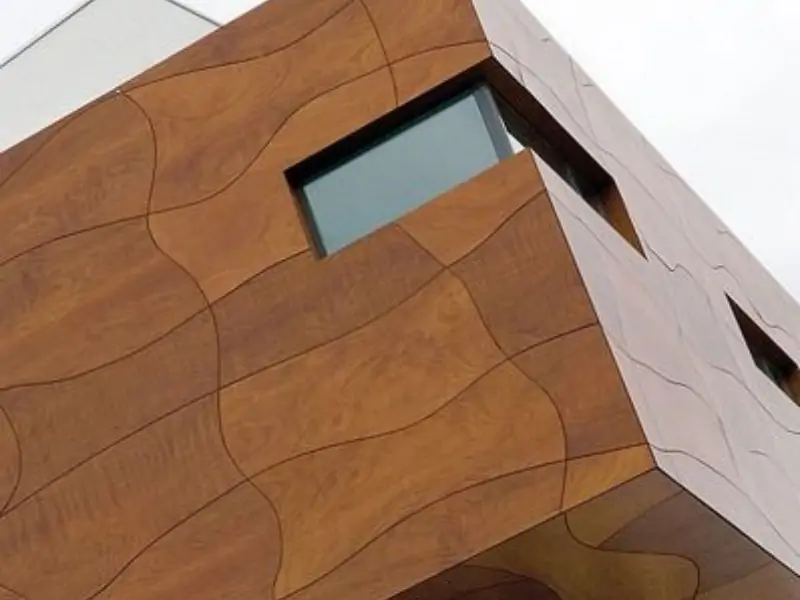
Textured aluminum panels give more choices. Builders can pick panels with holes, waves, or raised patterns. Some panels are made in factories before coming to the site. There are also different ways to attach the panels. Some systems hide the screws for a smooth look. These things make aluminum cladding a great pick for stylish and smart buildings.
Installation of Aluminum cladding
Suitability for Different Building Types
Aluminum cladding works well for homes and offices. These panels help save energy by adding insulation. They also stop heat from moving in or out. Aluminum siding and composite panels keep rooms at a steady temperature. This means less energy is needed for heating and cooling. Aluminum cladding seals tightly, so air does not leak out. This makes buildings more comfortable and saves energy. Factories use many types of cladding, but aluminum is best for saving energy in houses and offices.
Cost Factors
Aluminum cladding costs more at first than some other materials. But it saves money over time. The table below shows how much different cladding materials cost for a normal project:
Aluminum panels are different from brick and stone. Many builders pick aluminum composite panels for energy savings. These panels are light and easy to use. They help stop heat from moving through walls. This keeps buildings cool in summer and warm in winter. Using aluminum panels means less energy is needed for heating and cooling. They also reflect sunlight, which saves even more energy.
Brick and stone have good thermal mass. But they need extra insulation to work as well as aluminum composite panels. Stone cladding can help in hot places by lowering cooling needs. Still, aluminum panels with insulation are often better for saving energy. Aluminum panels can be recycled, which is good for the planet. They are light, so trucks use less fuel to move them. This means less carbon goes into the air than with heavy cladding.
Aspect
Aluminum Panels / Solid Aluminum Cladding
Brick or Stone Cladding
Energy Efficiency
High with insulation and reflective coatings
Good thermal mass, needs extra insulation
Durability
Over 40 years, weather-resistant, minimal upkeep
Very durable, longer lifespan
Maintenance
Occasional cleaning, resistant to corrosion
Low, but repairs can be laborious
Cost Comparison
Lower installation costs, moderate to high upfront
High upfront, labor-intensive install
Environmental Impact
Highly recyclable, lightweight, low transport emissions
Natural materials, heavy, higher transport emissions
Aluminum panels are strong competitors to wood and vinyl. Wood siding gives some natural insulation. It also keeps heat in well. But wood needs lots of care and can get damaged by bugs or weather. Aluminum composite panels with insulation can lower wall temperatures by up to 6.7%. This helps buildings stay cooler and use less energy.
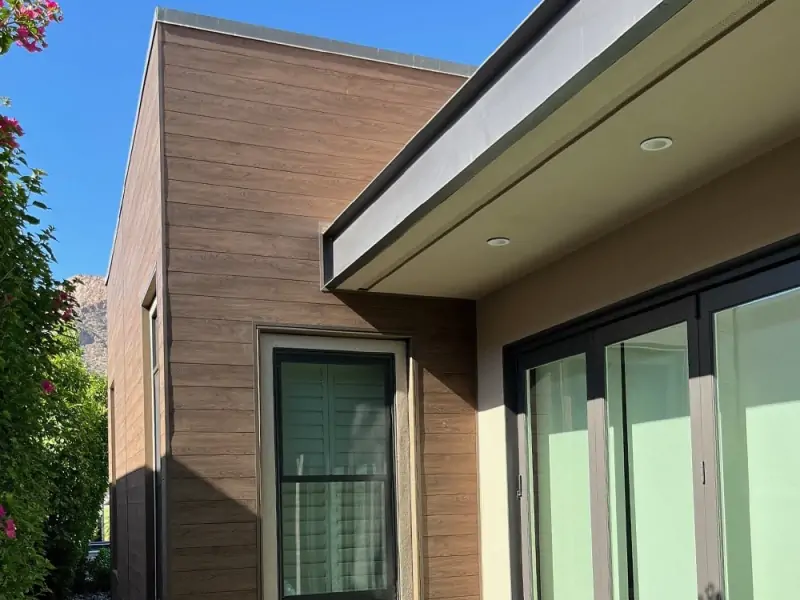
Vinyl siding is light and cheap. But it is thin and can bend or warp. This lets energy escape, especially when the weather changes a lot. Insulated vinyl siding works better, but not as well as aluminum wall panels. Aluminum panels do not burn, can be recycled, and are easy to paint. Woodgrain aluminum siding looks like wood but is stronger and saves more energy.
Material
Energy Efficiency
Durability
Maintenance
Environmental Impact
Aluminum Panels / Solid Aluminum Cladding
High with insulation, reflects solar heat
Durable, fireproof
Low, occasional cleaning
Highly recyclable, durable
Wood
Good natural insulation
Needs protection from pests, rot
High, regular upkeep
Renewable, biodegradable
Vinyl
Moderate, can warp
Prone to damage
Low, but can fade
Limited recycling, higher impact
Aluminum Panels vs. Fiber Cement and Insulated Panels
Fiber cement and metal insulated panels are also used for energy savings. Fiber cement helps control heat well and is better than plain aluminum siding. But if you add insulated backer boards to aluminum panels, they save a lot of energy.
Metal insulated panels, like aluminum composite panels with insulation, work very well. They use layers of insulation such as expanded polystyrene or polyurethane. This keeps indoor temperatures steady and lowers heating and cooling bills. Metal insulated panels do not rot or get eaten by bugs. They can handle bad weather. But they might dent from hail or flying objects. Sometimes, they need new paint if the color fades.
Fiber cement panels are heavy and tough. They do not dent easily and resist fire, water, and bugs. They only need to be cleaned sometimes and look good for a long time. Aluminum panels are lighter and easier to put up. But they might need repairs if they get dents or lose color.
Aluminum cladding has insulation and shiny coatings. These help keep heat inside in winter. They also block heat from coming in during summer. This means buildings need less heating and cooling.
How long does aluminum cladding last?
Aluminum cladding can last more than 40 years. It does not rust or fade easily. It also stands up to bad weather. Cleaning it often helps it look nice and last longer.
Is aluminum cladding safe for fire protection?
Aluminum cladding with a mineral core or solid panels is very fire resistant. These types meet tough safety rules. They help slow down fires from spreading.
Can aluminum cladding be recycled?
Yes, builders can recycle aluminum cladding many times. Most panels already have recycled aluminum in them. Recycling uses much less energy than making new aluminum.
Does aluminum cladding cost more than other materials?
Aluminum cladding costs more at the start. But it saves money later because it lasts longer. It also needs less fixing than other cladding.
Conclusion
For an exceptional cladding solution that combines innovation and quality, look no further than XtraMetal. With over 32 years of experience, we deliver “XtraMetal, Extra Experiences, Bring modern wall design to any space”. Our durable and easy-to-install aluminum battens and panels are designed to meet your project’s unique needs.
Explore our product range and take the first step towards enhancing your property’s value and efficiency.
As an aluminum ceiling & facade manufacturing engineer, I spent years immersed in design and production for things like exterior walls and ceilings. Seeing the gap between technical specs and practical understanding sparked my desire to share my knowledge clearly and make engineering materials accessible to more people.