What Is Aluminium Cladding?Everything You Need To Konw

Discover all about aluminium cladding. This guide covers the different types, key pros and cons, installation basics and cost estimates for 2025. Find out why it’s the preferred choice for modern buildings.
Table of Contents

Enjoy this blog using AI analysis

What is Aluminium Cladding

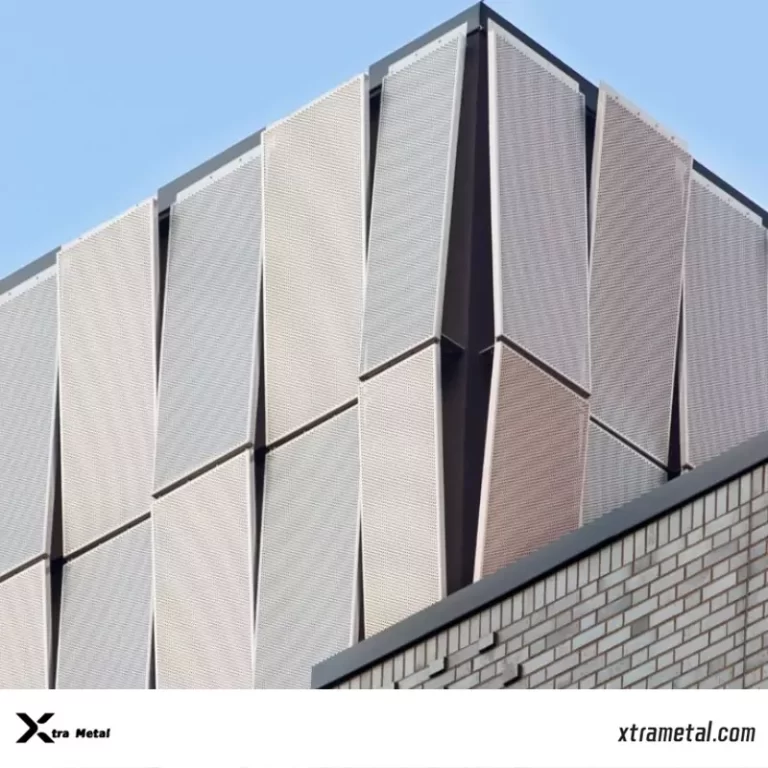
Aluminium cladding system is a lightweight, durable, and versatile exterior building material used to protect and enhance the appearance of structures. Made from aluminum sheets or composite panels, it serves as a protective outer layer while offering design flexibility for modern architecture.

Key Features of Aluminum Cladding:

Lightweight – Reduces structural load compared to stone or concrete.

Weather-resistant – Withstands rain, UV rays, and extreme temperatures.

Design versatility – Available in a variety of colors, textures, and finishes.

Low maintenance – Resists corrosion and requires minimal upkeep.

Sustainable – 100% recyclable, supporting green building practices.

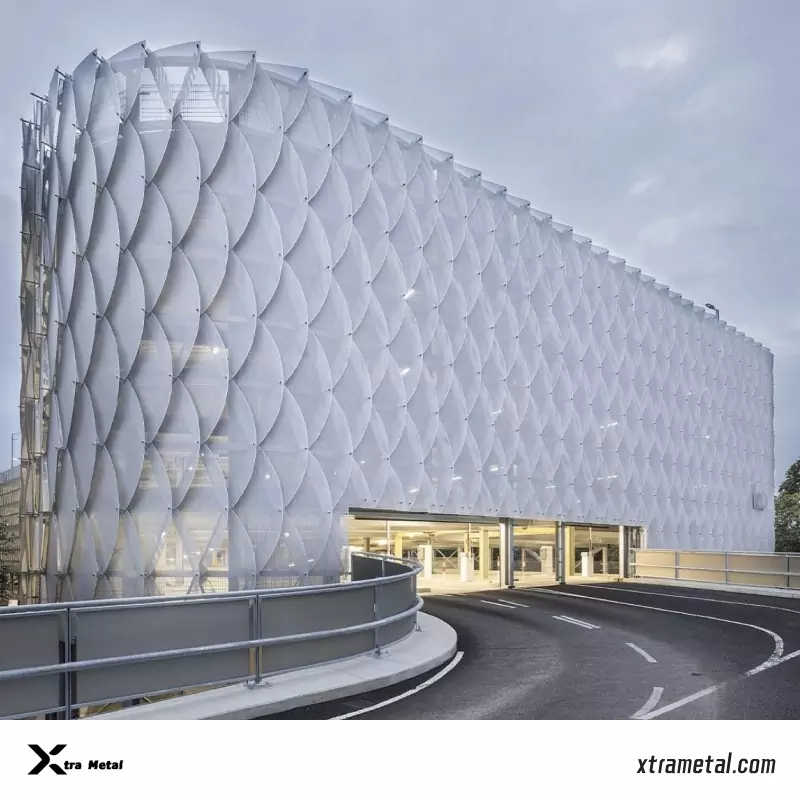
Aluminum exterior cladding is used in a shopping mall

What Is Aluminium Cladding Made Of?

Aluminium cladding is primarily fabricated from high-grade aluminium alloys (e.g., 3003 or 5005 series), blended with elements like manganese and magnesium to enhance strength, formability, and corrosion resistance.

How Much Does Aluminum Cladding Cost in 2025?

The cost of aluminum cladding is influenced by several factors, including the type of panel, finish, project complexity, and labor costs. For an accurate price based on your specific project needs, it is always best to get a Precise Quote.

Instant Budget Estimate for Your Project

Planning your next project? Try our aluminium Siding Panel price calculator. By providing a few key details about your project’s scope, we can give you a reliable cost calculation to guide your planning and design process.

Estimated Price Range:

Types of Aluminum Cladding

Aluminum cladding systems come in many types. These include :

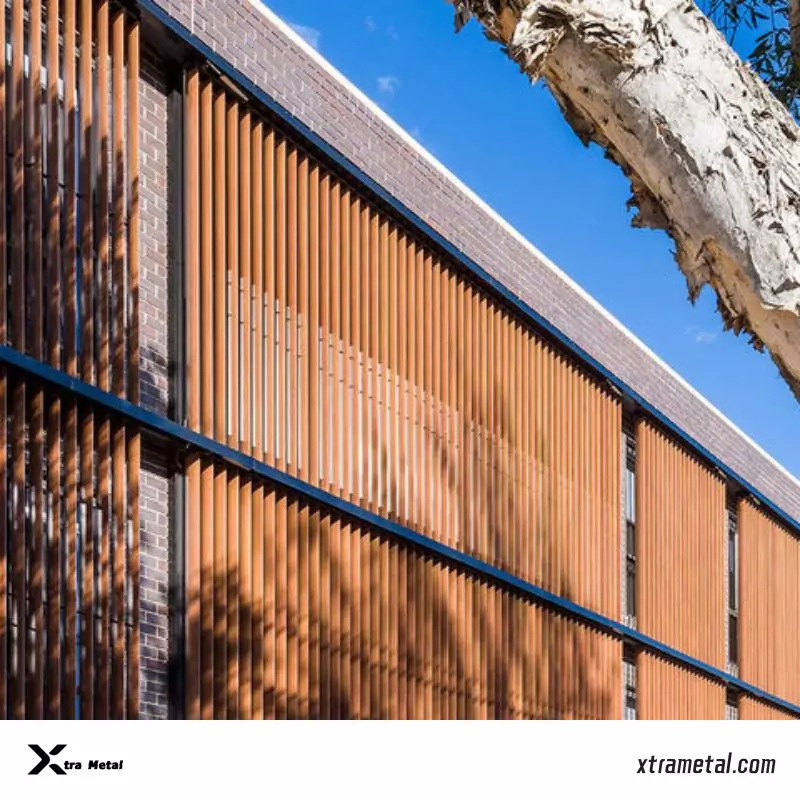
  • Timber look batten cladding
  • Solid Aluminum Panels
  • Aluminum Siding
  • Aluminum Composite Panels
  • Honeycomb Panels
  • Perforated Aluminum Panels
  • Anodized Aluminum Panels
  • Powder-Coated Aluminum Panels
  • Corrugated Aluminum Panels

Here are some common types of features and applications. You can also check out [10 Types of Aluminum Cladding: Choose The Best For Your Project]

Aluminum Composite Panels (ACP):

Aluminum composite panels consist of two thin aluminum sheets bonded to a non-aluminum core. These panels are lightweight yet strong, offering excellent weather resistance and design versatility.

Key Features:
Lightweight and easy to install
Available in various colors and finishes
Good thermal and sound insulation

Best For:
Facades of commercial buildings
Signage and decorative exteriors

Solid Aluminum Panels:

Solid aluminum panels are made from a single sheet of aluminum, providing superior strength and rigidity compared to composite alternatives. They are often used in high-performance architectural applications.

Key Features:
Extremely durable and corrosion-resistant
Can be perforated or shaped for custom designs
Suitable for curved or angular structures

Best For: High-end architectural projects or Industrial and coastal buildings (due to corrosion resistance)

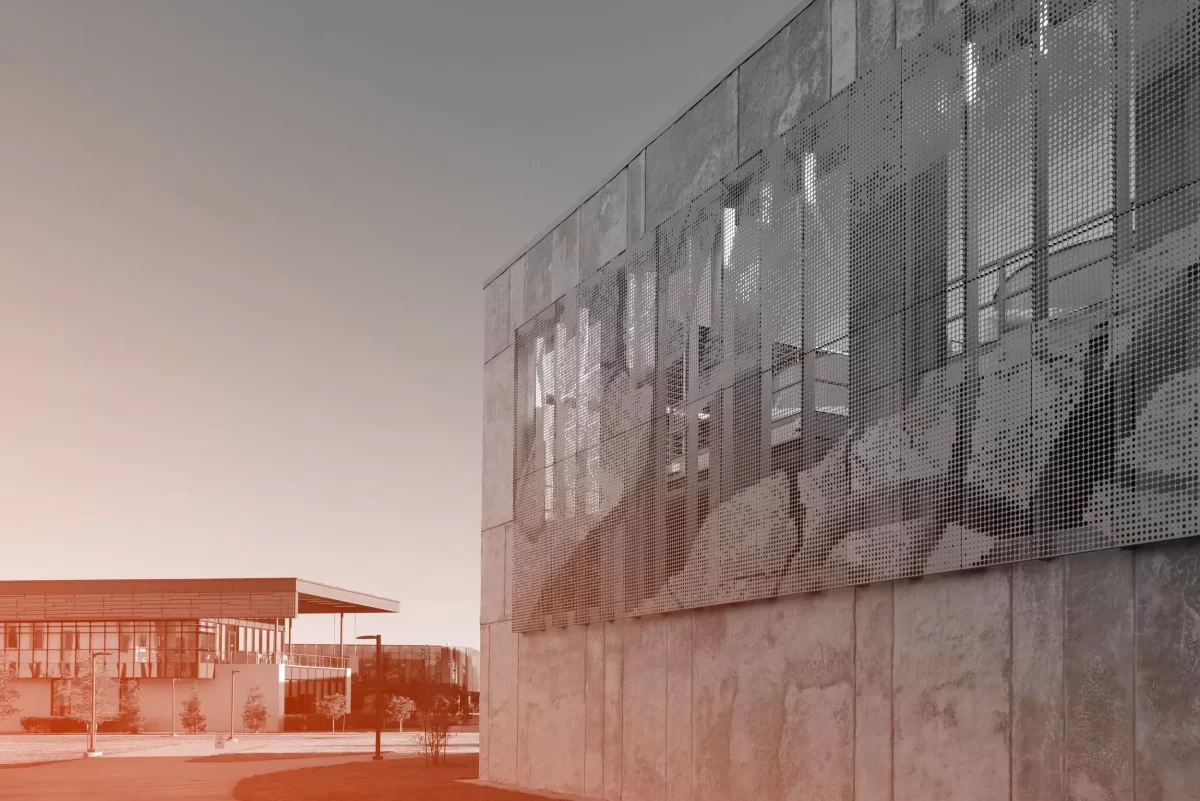
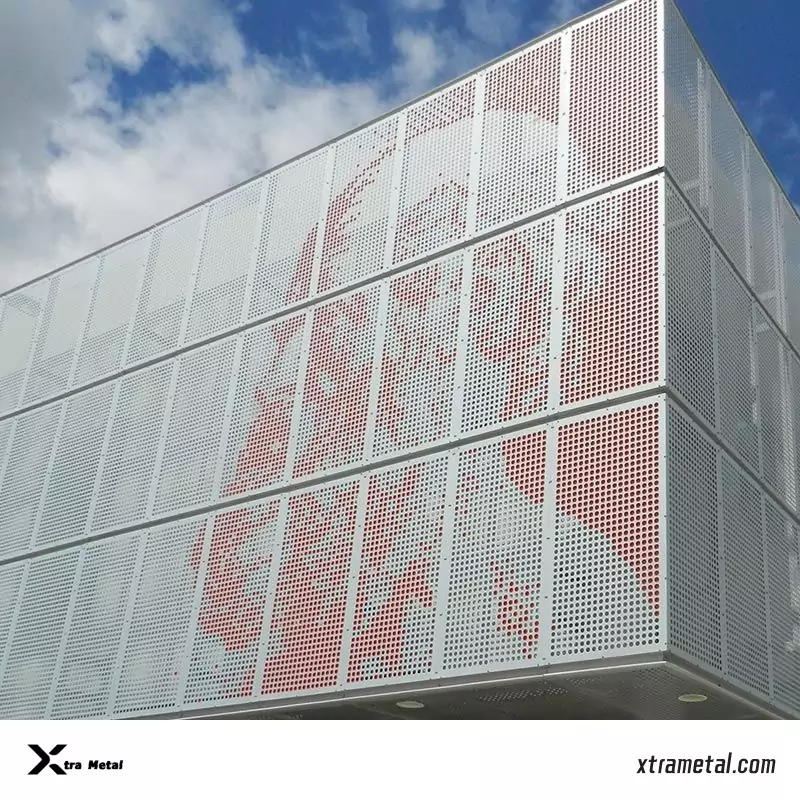
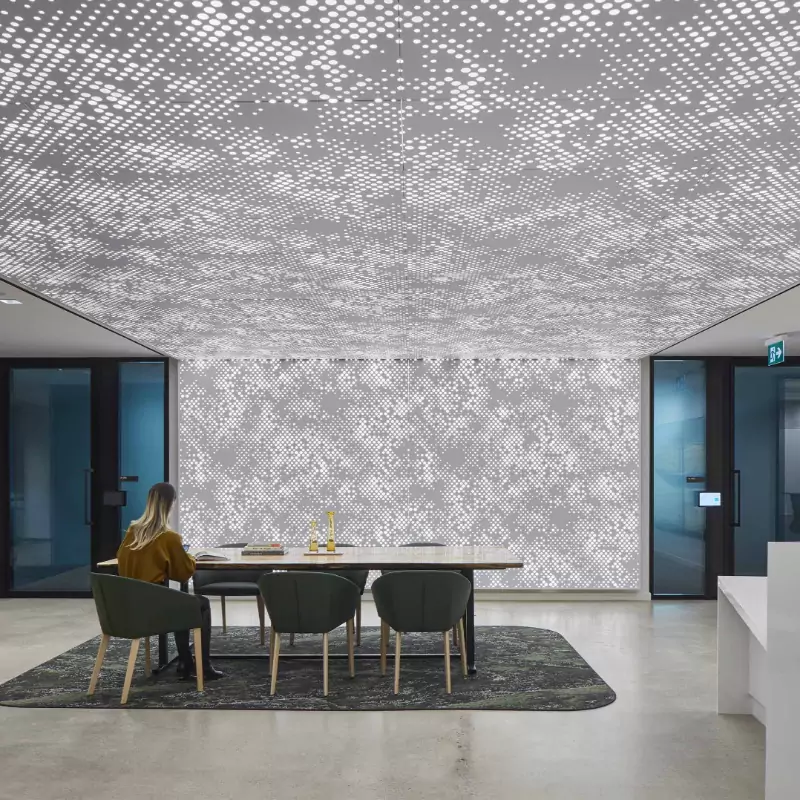
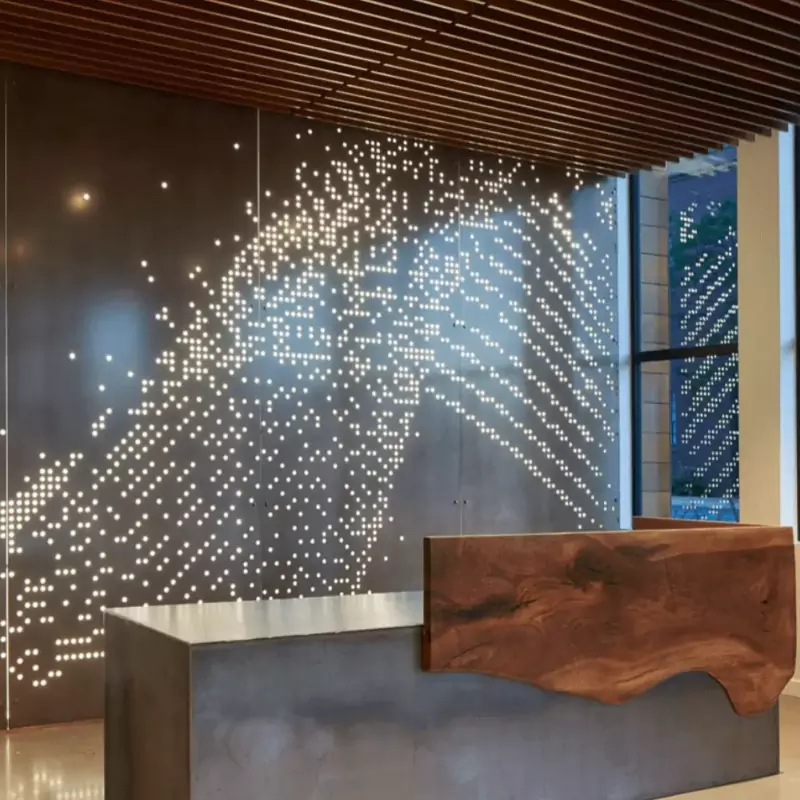
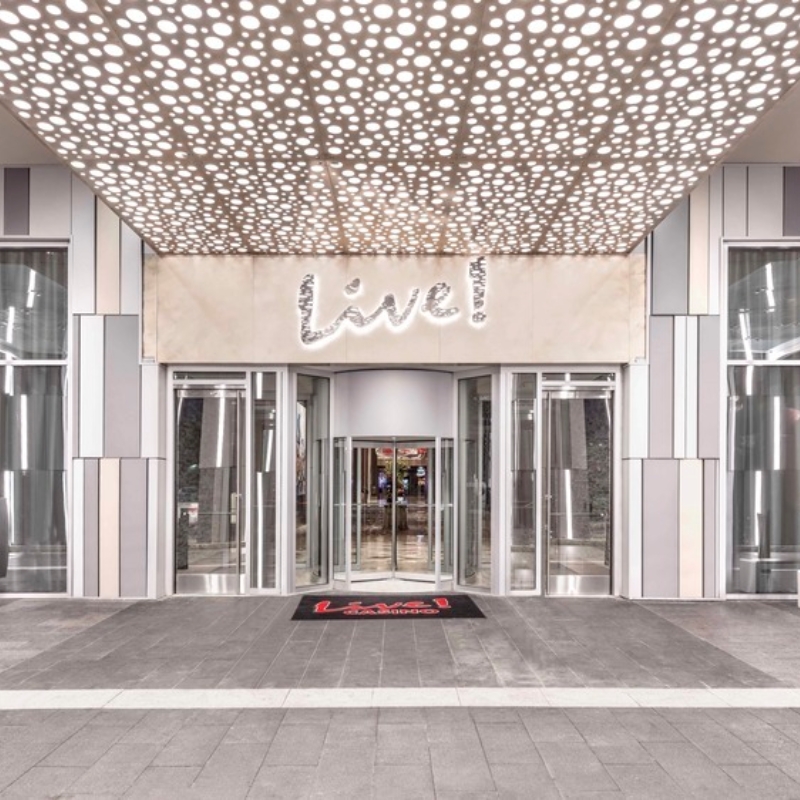
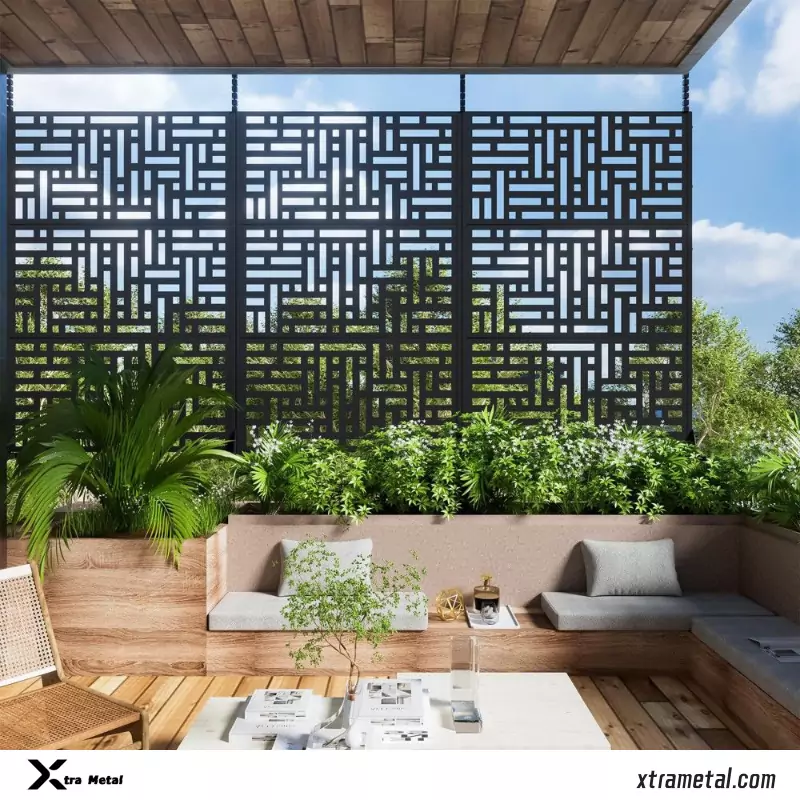
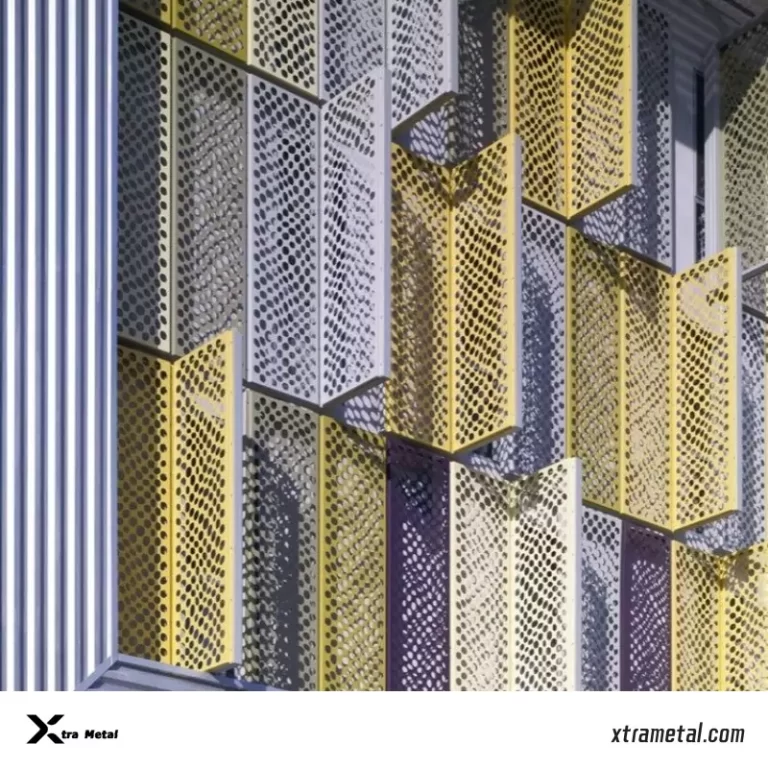
Perforated Aluminum Cladding:

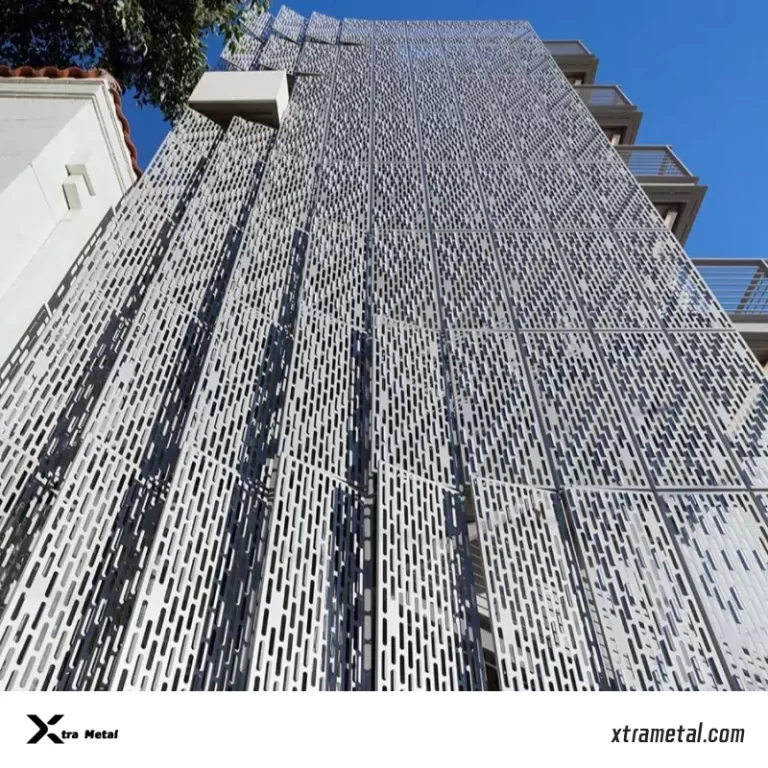
Perforated aluminum panels feature precisely drilled holes or patterns, allowing for ventilation, light filtration, and unique visual effects.

Key Features:
Enhances airflow while maintaining structural integrity
Creates dynamic light and shadow effects
Customizable patterns and hole sizes

Best For: Sunshades and brise-soleil systems, or Decorative facades and interior screens

Anodized Aluminum Cladding:

Anodized aluminum undergoes an electrochemical process that enhances its surface hardness and corrosion resistance while allowing for vibrant color options.

Key Features:
Scratch-resistant and long-lasting
UV-resistant colors that do not fade
Low maintenance

Best For: High-traffic urban buildings or Structures requiring bold, durable finishes.

Powder-Coated Aluminum Cladding:

Powder-coated aluminum involves applying a dry powder finish that is heat-cured, creating a tough, weather-resistant layer.

Key Features:
Wide range of color and texture options
Resistant to chipping, fading, and corrosion
Environmentally friendly (no VOCs)

Best For: Residential and commercial exteriors or Projects requiring customized aesthetics.

Corrugated aluminum Cladding

Corrugated aluminum sheets feature a wavy or ribbed pattern, providing extra strength and a distinctive industrial look.

Key Features:
High strength-to-weight ratio
Excellent water-shedding capability
Cost-effective and easy to install

Best For: Industrial buildings and warehouses, or Roofing and siding applications

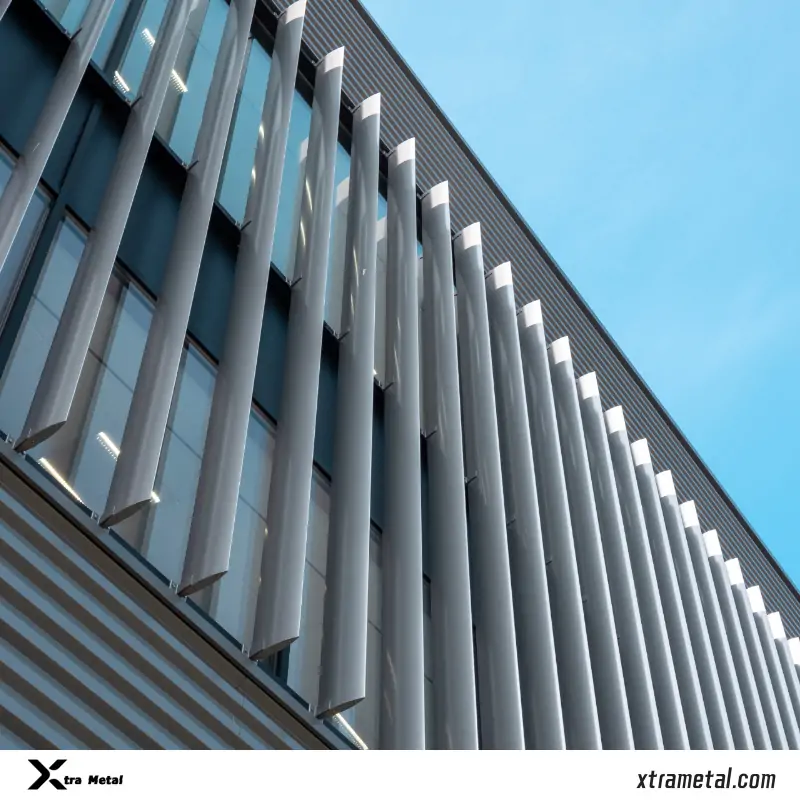
Vertical Aluminum Cladding:

Long strips of aluminum plates are installed vertically to create a simple sense of lines.

Key Features:
Visually raise the proportion of the building
Hide the joints, and the appearance is neat
An optional open or closed system

Best for: Modern style residences, office buildings, or aluminium exterior wall cladding of high-rise buildings

Residential Aluminum Siding:

Designed specifically for residences, it combines beauty and practicality.

Key Features:
Imitation of natural material effects, such as wood grain and stone grain
Optimized thermal insulation and sound insulation performance
Low maintenance (no paint required)

Best for: Villas or townhouses, or Renovation of the facades of old buildings

Rainscreen Cladding Aluminum

Double-layer structure, an air layer is formed between the outer aluminum plate and the wall to prevent moisture and drain water.

Key Features:
Improve building energy efficiency (reduce heat conduction)
Prevent rainwater penetration and extend building life
Modular design, flexible installation

Best for: Buildings in rainy areas or a Green energy-saving building certification project

Pros and Cons of Aluminum Cladding

Advantages of Aluminum Cladding

  • Durability & Lifespan: Aluminum is highly resistant to rust and corrosion, allowing it to withstand harsh weather conditions. With proper care, it can have an impressive lifespan of up to 60 years.  
  • Lightweight Nature: Compared to materials like stone or concrete, aluminum is exceptionally lightweight. This reduces the structural load on the building and can simplify and speed up the installation process, potentially lowering labor costs.  
  • Aesthetic Versatility & Design Freedom: Available in a vast range of colors, textures, and finishes, aluminum can be fabricated into various shapes, offering architects immense design freedom.  
  • Superior Fire Resistance: Solid aluminum is a non-combustible material with a high melting point of around 660°C. When specified with a fire-retardant core, composite panels can also offer excellent fire resistance, meeting stringent building safety codes.  
  • Low Maintenance Requirements: Aluminum cladding requires minimal upkeep, typically just an annual cleaning with mild soap and water to maintain its appearance.  
  • Sustainability & Recyclability: Aluminum is 100% recyclable, making it an environmentally friendly and sustainable choice for green building projects.  

Disadvantages to Consider

Noise Transmission: As a metal, aluminum can transmit the sound of rain or hail. This can be effectively managed with the inclusion of proper insulation behind the panels.  

The surface of bare aluminum is soft, and scratches may occur during transportation or installation.

Higher Upfront Cost: The initial investment for aluminum cladding can be higher than for alternatives like vinyl, timber, or fiber cement.  

Potential for Denting & Scratching: Due to its relative softness, aluminum can be more susceptible to denting from impacts and scratching compared to denser materials like steel. However, protective coatings can help mitigate this risk.  

A Quick Guide to Aluminum Cladding Installation

While professional installation is recommended for the best results, the general process follows four main steps :

Surface Preparation: The underlying wall must be clean, dry, and structurally sound. Any cracks or damage should be repaired before installation begins.  

Framework and Barrier: A weather-resistant barrier is installed on the wall, followed by a sub-frame (often made of furring strips or girts) that will hold the panels.  

Panel Fixing: The aluminum panels are carefully fixed to the framework according to the manufacturer’s system, ensuring proper alignment and leaving small gaps for thermal expansion.  

Sealing and Finishing: Joints, edges, and openings are sealed with a high-quality sealant to ensure water tightness and a clean finish.  

For a complete, detailed guide, see our article on [How to Install Aluminum Cladding].  

Maintenance and Care

One of the great things about aluminum cladding is that it’s pretty low-maintenance. Here’s how to keep it looking its best. For detailed guidance, please refer to our【Aluminum cladding care&maintenance guide

Cleaning Methods: 

o For general dirt and grime, usually all you need is a gentle clean. We often suggest using lukewarm soapy water (with a mild, non-abrasive detergent) and a soft cloth or sponge.

o Rinse thoroughly with clean water afterwards to remove any soap residue.

o Avoid harsh chemical cleaners, abrasive scouring pads, or high-pressure washers close-up, as these can damage the finish.

Preventing Damage: 

o Dents and Scratches: Be careful with ladders, tools, or anything that could impact the panels, especially on lower levels. Choose a robust panel thickness if impacts are a concern.

o Fading: High-quality finishes are very resistant to fading. However, in very harsh sun conditions over many, many years, some change might occur. Regular cleaning can help maintain the original look.

Common Issues: 

o Minor Scratches: Sometimes, minor scratches on coated aluminum can be touched up with special paint provided by the manufacturer. Always check their recommendations.

o Chalking: Older, lower-quality paint finishes might eventually show a powdery substance called chalking. Modern, high-performance coatings are much more resistant to this. If it occurs, cleaning can often remove it.

Common Applications of Aluminum Cladding

Aluminum cladding offers a perfect blend of style, durability, and sustainability for your project.. With endless design possibilities, from sleek outdoor facades to bold indoor accents, it’s the best choice for any project.

For more inspiration for Aluminum cladding, you can also check out 【18 Aluminum Cladding Ideas For Interior & Exterior】to inspire you.

Recommended use scenarios

Curtain walls of high-rise buildings (lightweight advantage)

Buildings in coastal or industrial areas (strong corrosion resistance)

Modern style design (flexible shape, beautiful)

Green energy-saving buildings (recyclable, low maintenance)

Situations that require caution

Projects with extremely low budgets (high initial cost)

Places with extremely high requirements for sound insulation (additional treatment required)

Areas with extreme temperature differences (professional node design is required to prevent deformation)

Aluminum Cladding vs. Common Alternatives

Here is how aluminum cladding compares to other popular materials:

Top 10 Aluminum Cladding Manufacturers in 2025

The following are the top ten aluminum cladding manufacturers you should check out. 

1. Novelis

· Main Products and Business: A subsidiary of Hindalco, Novelis is the world’s largest recycler of aluminum, producing flat-rolled aluminum sheets and ACP for construction, automotive, and packaging. Their cladding solutions focus on lightweight, recyclable panels for eco-friendly building envelopes, with global operations based in the U.S

2. Xtrametal

· Main Products and Business: Xtrametal specializes in Aluminum Composite Panels (ACP) and solid aluminum cladding for architectural facades. Their products include fire-resistant ACP, custom perforated panels, and powder-coated aluminum sheets. Based in China, Xtrametal serves global markets, offering tailored solutions for commercial and residential projects with a focus on durability and aesthetic flexibility. 

3. Alcoa 

· Main Products and Business: Alcoa, a U.S.-based global leader, produces aluminum sheets, extrusions, and composite panels for construction, aerospace, and automotive industries. Their Reynobond ACP is renowned for lightweight durability and is used in high-rise buildings and sustainable projects. Alcoa emphasizes low-carbon aluminum through its Sustana brand.

4. Kaiser Aluminum

· Main Products and Business: Kaiser Aluminum, based in California, manufactures semi-fabricated aluminum products, including extruded profiles and ACP for architectural cladding. Their products serve high-end applications in construction and aerospace, with a focus on custom solutions and high-strength alloys.

5. ALUCOBOND

· Main Products and Business: ALUCOBOND, a brand under 3A Composites, is a pioneer in Aluminum Composite Materials (ACM) for over 50 years. Their panels offer a variety of finishes, including metallic and woodgrain, used in global architectural projects for facades and curtain walls. They operate globally with a focus on innovative designs. 

6. Alumax Panel

· Main Products and Business: Based in Canada, Alumax Panel supplies premium ACP, solid aluminum panels, and perforated cladding for residential and commercial buildings. Their Cedarminum Siding Panels combine wood-like aesthetics with aluminum durability, serving North American markets with installation support.

7. KME Germany GmbH

· Main Products and Business: KME, based in Germany, produces copper and aluminum alloy cladding, including TECU® Gold aluminum panels for roofing and facades. Their products cater to high-end architectural projects globally, combining lightweight aluminum with corrosion-resistant finishes. 

8. Alpolic

· Main Products and Business: Alpolic, part of Mitsubishi Chemical, offers high-quality ACM panels with diverse colors, textures, and finishes for interior and exterior cladding. Their panels are used in iconic architectural projects, emphasizing aesthetic flexibility and durability.

9. Arconic Architectural Products

· Main Products and Business: Arconic produces Reynobond ACP and solid aluminum panels for commercial and residential facades. Based in the U.S., they focus on lightweight, versatile cladding systems with applications in high-rise buildings and sustainable designs.

10. Eltherington

· Main Products and Business: U.K.-based Eltherington manufactures aluminum cladding, including perforated facades, curtain walls, and rainscreen systems. Their bespoke designs cater to architectural projects, offering advanced fabrication and Hilti fixing systems for durability and ease of installation.

FAQ Section

Here are some common questions people ask about aluminum cladding:

· Q1: How long does aluminum cladding last? 

· A: High-quality aluminum cladding can last 40 to 70 years, or even longer, with proper installation and minimal maintenance. The finish on good-quality panels often comes with warranties of 20-30 years.

· Q2: Does aluminium cladding get hot?
· A: Aluminium cladding does absorb solar heat, but its thermal performance depends on surface treatment and design. Bare aluminium typically reaches 60-80°C in direct sunlight, similar to other metals.

· Q3: Is Aluminum Cladding Safe?
A: Safety, particularly fire resistance, is a critical consideration. Solid aluminum is non-combustible and will not ignite, with a melting point of approximately 660°C. However, the fire performance of an entire wall system depends on all its components. Following tragic events like the Grenfell Tower fire, which involved composite panels with a highly combustible core, building codes have become much stricter.  

· Q4: Is aluminum cladding environmentally friendly?
A: It has strong environmental benefits, mainly due to its high recyclability and long lifespan. Using products with high recycled content further boosts their green credentials.

· Q5: How does aluminum cladding compare to fiber cement?
A: Both are durable and low-maintenance. Aluminum is lighter, which can make installation easier. Fiber cement is very impact-resistant, but can be heavier and require special cutting tools. Design options vary; aluminum often offers sleeker, more modern metallic or woodgrain looks, while fiber cement excels at mimicking traditional wood siding or shingles.

· Q6: Will aluminum cladding increase the value of my home/building?
A: Yes, it often can. Its durability, low maintenance, and modern appearance are attractive selling points. It can improve curb appeal significantly.

Final Thoughts

At Xtra Metal Group, we specialize in precision-engineered aluminum cladding systems backed by 30+ years of global expertise. Our tailored solutions integrate advanced alloys, anti-corrosion treatments, and seamless installation workflows, ensuring longevity even in extreme climates. From high-rise complexes to luxury villas, we deliver certified quality through vertically controlled production and strict ISO-compliant standards.

Donnie -- Xtrametal Engineer
Donnie

As an aluminum ceiling & facade manufacturing engineer, I spent years immersed in design and production for things like exterior walls and ceilings. Seeing the gap between technical specs and practical understanding sparked my desire to share my knowledge clearly and make engineering materials accessible to more people.

More Posts

Not sure which panel fits your project? Let’s make it easy!

Check the Full Catalog

Quick Info Exchange Helps Us Serve You Better

*Your information will be kept strictly confidential.

Contact Us

For any requirement, our team will be happy to respond to you in less than 24 hours.

*Your information will be kept strictly confidential.