Different Types of Metal Cladding Panels for Construction
Update:
This guide lists the most popular metal cladding systems, materials, and finishes, and outlines the advantages of each option. This way, you can choose a cladding system that perfectly meets all of your property's unique needs.
Metal cladding panels have four main types. These are single-skin, insulated, composite, and architectural. Each type has special features and uses.
Picking the right Metal wall panel depends on what the building needs. You should think about energy use, design, strength, and cost.
Steel, aluminum, zinc, and copper are common materials. Each one has different strengths, looks, and can handle the weather in its own way.
Fastener systems change how the panel looks and works. Hidden fasteners make the panel look smooth. They also help keep water out.
Metal cladding panels protect buildings well. They are fire-resistant Cladding and save energy, lower noise. They last a long time and need little care.
Metal Cladding Systems
Materials and Finishes
Steel Panels
Steel panels give buildings strong protection. Many builders choose steel because it lasts a long time. Steel panels can resist dents and damage. Factories and schools often use steel panels. Some steel panels have a coating to stop rust. Galvanized steel uses a zinc layer for extra safety. Stainless steel panels do not rust and look shiny.
Zinc panels give buildings a modern look. Zinc forms a layer called patina that protects it from the weather. This patina makes zinc last for many years. Builders use zinc panels on museums and special buildings. Zinc panels can heal small scratches over time.
Feature
Zinc Panels
Durability
Very High
Appearance
Matte, Blue-Gray
Maintenance
Low
Copper Panels
Copper panels stand out with their bright color. Over time, copper turns green and gives a classic look. Many old buildings use copper for roofs and walls. Copper panels last for decades. They resist fire and water damage. Builders use copper for special projects that need style and strength.
Common Finishes and Coatings
Finishes and coatings help metal panels last longer. Paint, powder coating, and anodizing protect panels from rust and fading. Some panels have special coatings to reflect.
Types of Metal Panels
Builders use different metal wall panels in construction. Each kind has its own special features and benefits. Knowing about these panels helps people pick the best one for their project.
Architectural Sheet Metal Panels
Architectural sheet metal panels are made for style and looks. They use metals like zinc, copper, or aluminum. Many buildings use these panels to look special.
Cassette panels give a clean and modern look.
Interlocking panels make sharp lines and strong edges.
Custom cladding lets you have special shapes and patterns.
Architectural sheet metal panels often hide their fasteners for a smooth look. These panels are good for projects that need to look nice and be strong. Builders can pick from many finishes and shapes to match the building.
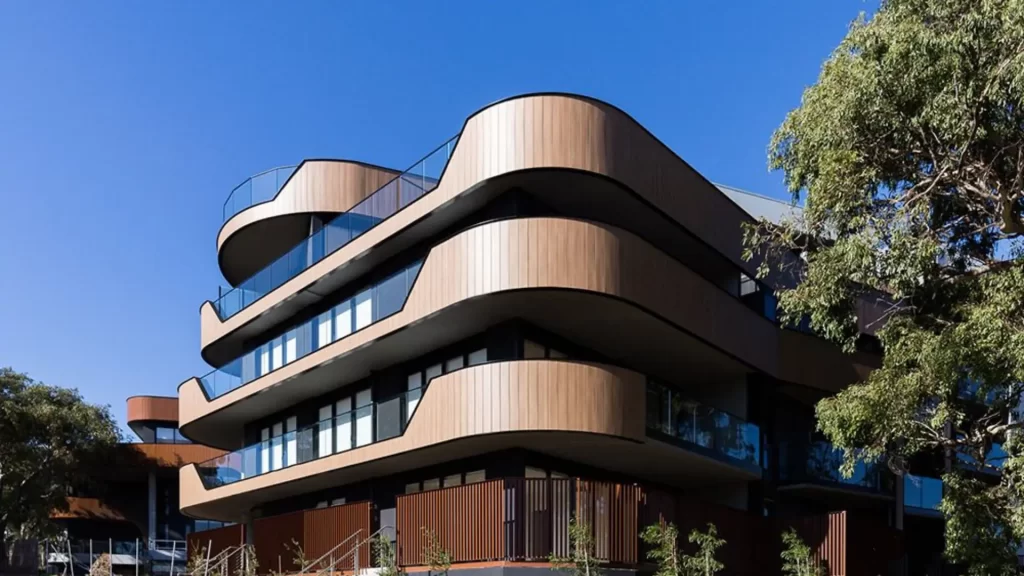
A modern performing arts center featuring a sweeping, curved facade made of smoothly bent aluminum panels
Single-Skin Metal Panels
Single-skin metal wall panels have just one layer of metal. You often see these panels on warehouses and factories. Some commercial buildings use them too. They come in many shapes and sizes. There are flatlock, snaplock, interlocking, and standing seam systems.
Flatlock panels make a flat, smooth surface.
Snaplock panels snap together, so they are easy to put in.
Interlocking panels fit tightly and keep out bad weather.
Standing seam panels have raised seams to stop water.
These panels let builders be creative with design. They work for both walls and roofs. Single-skin panels also let you choose custom cladding.
Insulated Metal Panels (IMPs)
Insulated metal panels have two metal layers with insulation in the middle. This makes buildings save energy and stay warm or cool. Schools, hospitals, and offices use these panels for comfort and lower bills.
IMPs are strong against weather and fire.
The panels help block outside noise.
They are quick to install and save time.
Insulated metal panels come in many thicknesses and finishes. They work well in places with very hot or cold weather. Builders pick IMPs when they need strong and long-lasting panels.
Metal Composite Material (MCM) Panels
Metal composite material panels have two thin metal sheets with a core. These panels look smooth and modern. Many architects use MCM panels for fancy building designs.
MCM panels come in many colors and finishes.
The panels do not dent or break easily.
They can be shaped into curves and fun designs.
These panels help make bold and cool designs. Builders use them inside and outside buildings. MCM panels are also good for custom cladding.
Here is the Comparison of Main Types of Metal Wall Panels:
Comparison of Main Types of Metal Wall Panels:
These metal wall panels give builders lots of choices. People can pick the best panel for what they need. Some want to save energy, some want a modern look, and some want strong protection. The different metal siding panels help make buildings last and look good. Metal building panels are getting more popular because they have many good points.
Metal Cladding Panel Systems
Standing Seam Panels
Standing seam panels make buildings look smooth and modern. These panels have raised seams that go up and down. The seams help stop water from getting inside. Builders like standing seam panels for new building styles. Many architects use concealed fastener metal wall panels in these systems. Concealed fastener panels hide screws and clips, so the surface looks neat. Standing seam panels work on both walls and roofs. R-panel choices are also found in standing seam designs.
Corrugated Panels
Corrugated metal panels have a wavy shape. The waves make the panels strong and hard to bend. Factories and barns often use corrugated metal panels. The wavy shape helps rainwater run off the building. R-panel options are common in corrugated styles. Metal wall panels with exposed fasteners are quick to install. Some builders use corrugated metal panels for a tough look in cladding system probe link check
Flatlock panels make a flat surface with tight joints. Snaplock panels snap together, so they are easy to install. Both types are part of concealed fastener metal wall panels. These panels keep water out and look clean. R-panel choices are found in snaplock systems. Builders use these panels for simple and stylish walls.
Cassette and Interlocking Panels
Cassette panels look like big tiles on a wall. Interlocking panels fit together tightly and stay in place. These panels often use concealed fastener metal wall panels for a smooth look. Concealed fastener panels hide screws and clips, so the building looks tidy. R-panel options are available for interlocking systems. Cassette and interlocking panels are used in many new buildings.
Exposed vs. Concealed Fasteners
Exposed fastener systems show screws on the outside of the panel. These panels are fast to install and cost less money. Concealed fastener metal wall panels hide the screws and clips. Concealed fastener panels give a smooth and modern look. R-panel options work with both fastener types. Builders choose between exposed and concealed fastener panels based on style and price.
Benefits and Applications
Weather and Corrosion Resistance
Metal cladding panels exterior keep buildings safe from rain and wind. Steel panels have coatings that stop rust and last longer. Aluminum panels do not rust and stay strong in wet places. Zinc and copper panels make a layer that blocks water. Builders use metal panels in places with tough weather. These panels help buildings stay dry and safe.
Fire and Thermal Performance
Metal panels help protect buildings from fire. Steel and aluminum do not burn in flames. Copper and zinc also stop fire. Insulated metal panels (IMPs) have a layer that slows heat and fire. These panels help keep buildings warm or cool inside. Schools and hospitals use IMPs to save energy and keep rooms nice.
Panel Type
Fire Resistance
Thermal Performance
Steel
High
Good
Aluminum
High
Good
Zinc
High
Moderate
Copper
High
Moderate
IMPs
Very High
Excellent
Acoustic Insulation
Metal cladding panels can block loud sounds from outside. Insulated metal panels have a middle part that stops noise. Builders use these panels in busy cities and near roads. Offices and schools need quiet rooms, so they use panels that block sound. Metal composite material (MCM) panels also help lower noise.
IMPs block noise from cars.
MCM panels make rooms quieter.
Acoustic insulation helps people work and feel good.
Typical Uses in Construction
Builders use metal cladding panels for many projects. Factories and warehouses need strong panels for safety. Offices and schools want panels that save energy and block sound. Museums and stores use cool panels for a modern look. Homes use metal panels for roofs and walls.
Metal panels are good for new buildings and fixing old ones. They help buildings last longer and look nicer. Builders choose panels for weather, safety, and design.
Metal cladding exterior walls
Comparing Metal Cladding Panels
Durability and Maintenance
Builders want panels that last long and need little work. Steel panels do not dent easily and handle bad weather. Aluminum panels do not need more maintenance, rust, and stay strong in the rain. Zinc and copper panels make a layer that keeps them safe. Insulated metal panels keep their shape and stop water. Some panels need more cleaning, but some get cleaned by the rain. Metal composite material panels do not scratch and keep their color. How much care is needed depends on the finish and the weather.
Cost and Installation
Cost is important for every building job. Single-skin panels are cheap and go up fast. Insulated metal panels save money on energy over time. Metal composite material panels cost more but give many design choices. Aluminum panels are light, so workers put them up quickly. Copper and zinc panels cost more because they use special metals. Builders choose panels based on money and project size. Some panels need special tools to install.
Panel Type
Cost
Installation Speed
Maintenance
Single-Skin
Low
Fast
Low
Insulated Metal Panels
Medium
Medium
Low
Metal Composite Material
High
Medium
Low
Architectural Sheet Metal
High
Slow
Low
Aesthetics and Design Flexibility
Design is important when picking panels. Metal cladding panels exterior and interor come in many shapes and colors. Builders use different panels for modern, classic, or bold looks. Metal composite material panels can make curves and patterns. Architectural sheet metal panels give special styles with custom shapes. Aluminum and steel panels work for many building styles. Zinc and copper panels change color as they get older.
Builders compare panels to fit each project’s needs. They check how long panels last, how much they cost, and how they look. The best panel depends on what the building is for, the weather, and the budget.
Metal cladding panels come in many types and systems. Each offers different strengths, looks, and costs. Builders should match panel choices to the building type, climate, and budget. They can talk with manufacturers or experts for the best advice. A good panel choice balances how the building works and how it looks.
What is the difference between exposed and concealed fastener panels?
Exposed fastener panels have screws you can see outside. Concealed fastener panels hide the screws under the panel. Concealed systems look smoother and keep out water better.
Can metal cladding panels be used for both walls and roofs?
Yes, many metal cladding panels work on walls and roofs. Builders use standing seam and corrugated panels for both places. Always check which panel type fits your project best.
How long do metal cladding panels last?
Most metal cladding panels last from 30 to 50 years. Steel, aluminum, zinc, and copper panels can last longer with good care and finish.
Are metal cladding panels energy efficient?
Insulated metal panels help save energy in buildings. They keep buildings warm in winter and cool in summer. Other panels can also help save energy if you add insulation.
Do metal cladding panels need much maintenance?
Metal cladding panels do not need much care. Most panels just need cleaning and checking for damage. Some finishes help panels stay clean and stop rust.
For ceiling systems that complement metal cladding facades, our metal ceiling types guide covers the six core system types, installation methods, and acoustic specifications.
As an aluminum ceiling & facade manufacturing engineer, I spent years immersed in design and production for things like exterior walls and ceilings. Seeing the gap between technical specs and practical understanding sparked my desire to share my knowledge clearly and make engineering materials accessible to more people.