
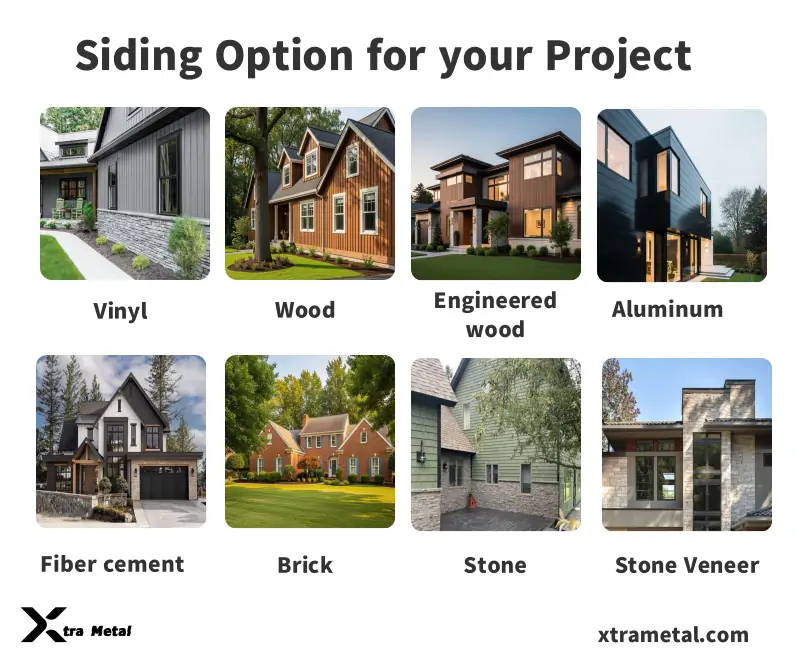
Are you choosing the best cladding for houses in 2025? Over the years, I’ve worked with architects, designers, and even the pickiest homeowners, and here are the top 9 choices: fiber cement, aluminum panels, timber, composite panels, stone veneer, brick veneer, porcelain slabs, engineered wood, and stucco.
These exterior cladding options are popular because they last long, are easy to take care of, and look nice. Many homeowners now want modern cladding that saves energy, stops fire, and fits any style.

Aluminum Cladding Panels
Features
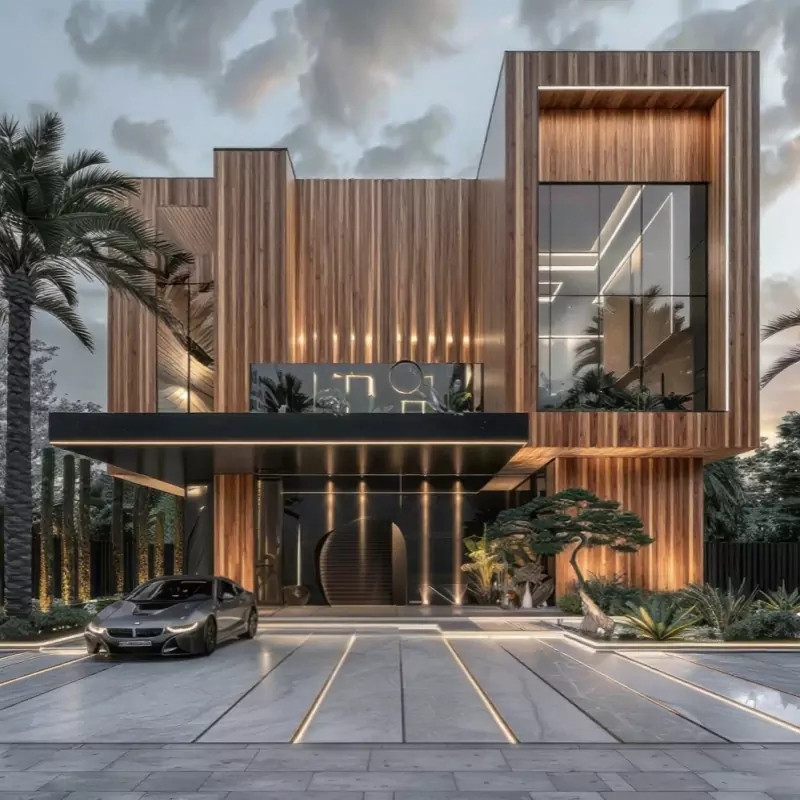
Aluminum cladding panels make your house look modern and smooth. The material is light, so it is simple to move and put up. These panels do not rust or get damaged by weather. You do not need to worry about rain or sun hurting them. There are many colors and finishes to pick from. Some even look like wood if you want a cozy style. Aluminum panels can be recycled, so they are good for the planet.
- Light and simple to put up
- Strong against bad weather and rust
- Many colors and finishes to choose from
- Can be recycled and is eco-friendly
- Good for inside and outside walls
- Saves energy and helps keep heat in
Pros and Cons
Here is a quick list of what is good and bad about aluminum cladding:
| Pros | Cons |
|---|---|
| Not expensive and easy to put up | Can get dents or scratches in busy spots |
| Needs little care | Does not burn, and bugs do not harm it |
| Lasts long—does not rust or crack | The look may not fit every home |
| Does not burn and bugs do not harm it | Fancy panels cost more money |
| Keeps water out and saves energy | The coating can wear off after some time |
| Simple to fix or swap out panels | Might look wavy on the surface |
Applications
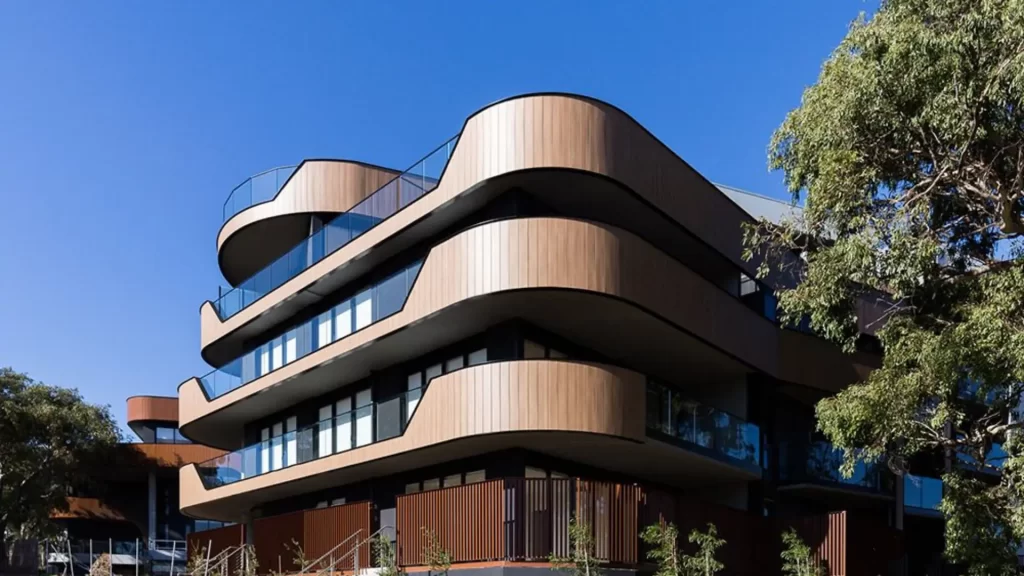
You can use aluminum cladding panels in many places on your house. Most people put them on outside walls. You can also use them for special wall designs or even inside for a cool look. These panels keep out rain, wind, and sun. They help your house stay warm in winter and cool in summer. You can use them for both new and old house styles.
- Outside wall cladding for houses
- Special walls and design features
- Insulated panels to save energy
- Fronts that need more weather safety
- Inside design for a modern look


Cost & Care
| Panel Type | Price Range (per m²) |
|---|---|
| Aluminum Composite Panels | $20 – $60 |
| Solid Aluminum Panels | $40 – $80 |
| Corrugated Panels | $25 – $50 |
| Perforated Panels | $30 – $70 |
| Honeycomb Panels | $50 – $120 |
Aluminum cladding is cheaper to care for than wood or fiber cement. Just wash the panels with water sometimes. Look for dents, scratches, or worn-out sealant every year. Put on new sealant at the joints if you need to. Check the coating every few years to keep the panels looking nice. With easy care, your aluminum cladding can last for many years.
Choosing the Right Cladding Solution.
Fiber Cement
Features
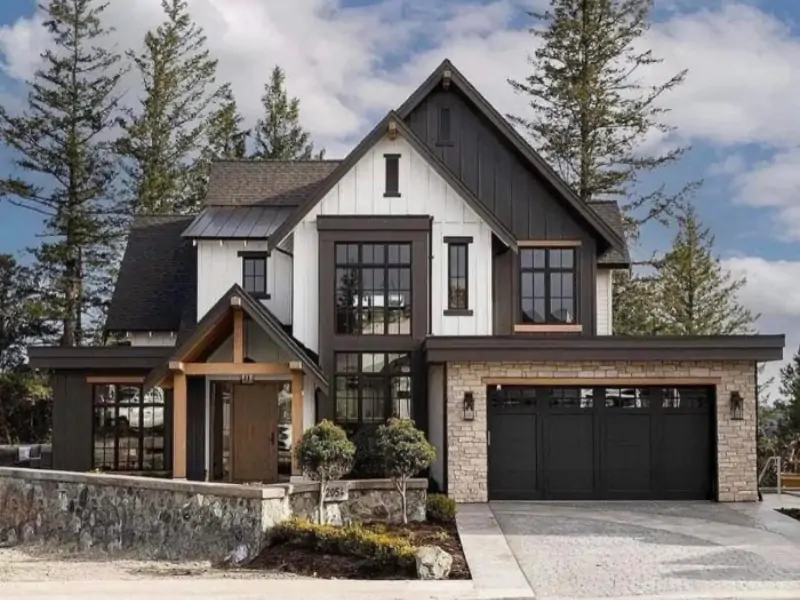
You want a cladding that stands up to almost anything. Fiber cement cladding gives you that peace of mind. It combines cement and cellulose fibers, making it tough and flexible. You can find it in panels, planks, or shingles, so it fits many home styles. Some top brands, like James Hardie, offer factory-applied finishes that keep colors bright and fresh for years. This material can even mimic the look of wood or stone, giving you lots of design choices.
Pros and Cons
Let’s break it down:
- Lasts for decades without warping, cracking, or swelling.
- Resists fire, pests, and harsh weather better than wood.
- Needs less maintenance than wood—no constant repainting or sealing.
- Keeps its color and finish longer, especially with factory-applied coatings.
- Costs more upfront than vinyl or wood, but you save on repairs and upkeep.
- Heavier than other siding, so you need a pro for installation.
Tip: If you live in a wildfire or hurricane zone, fiber cement cladding gives your home extra protection.
Applications
You see fiber cement cladding on modern homes everywhere. People use it for exterior walls, facades, and even as accents around doors and windows. It works well in wet or humid places because it does not rot or swell. Some homeowners use it inside for fire-resistant walls in bathrooms or kitchens. You can match almost any style, from classic to ultra-modern.
Cost & Care
| Siding Type | Material Cost (USD/sq ft) | Installed Cost (USD/sq ft) |
|---|---|---|
| Panels | $2.50 – $15 | $6.50 – $24 |
| Planks | $0.70 – $6 | $4.70 – $14.25 |
| Shingles | $2 – $6 | $9 – $22 |
- Spray with a garden hose every 6 to 12 months.
- Trim plants to keep siding dry.
- Check joints for leaks once in a while.
You pay more at first, but fiber cement cladding is a cost-effective cladding choice over time. You spend less on repairs and painting, and your home stays protected and beautiful.
Timber Cladding
Features
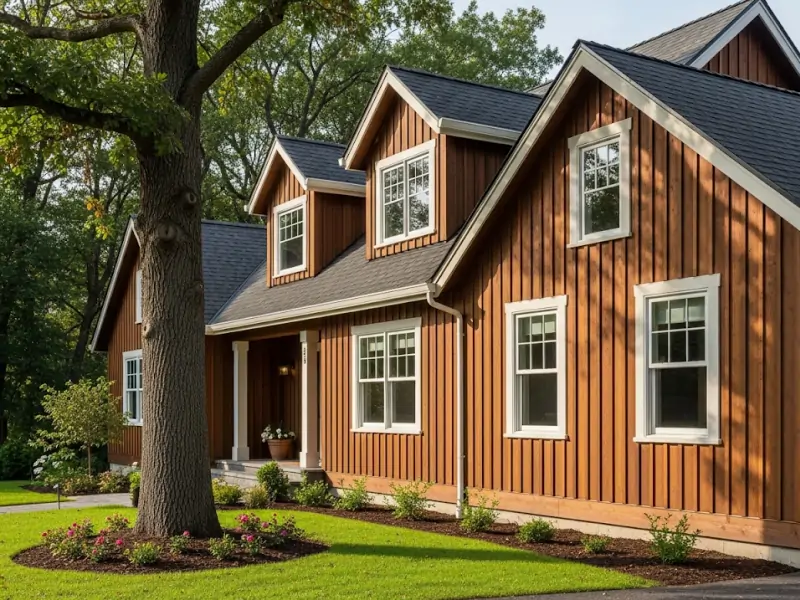
You want your home to feel warm and welcoming. Timber cladding gives you that natural look. It brings out the beauty of real wood and fits both modern and classic homes. You can pick from many types of wood cladding, each with its own style and color. Some of the most popular choices in 2025 include Western Red Cedar, Siberian Larch, Sapele, and Thermally Modified Ash. These woods stand out for their color, grain, and strength.
| Timber Species | Distinguishing Features |
|---|---|
| Western Red Cedar | Natural decay resistance, stable, rich color (dark chocolate to salmon), lightweight, few knots. |
| Siberian Larch | Straw yellow to golden brown, tight growth rings, resinous, durable, knotty or clear grades. |
You can also find wood cladding made from tropical hardwoods like Ipe or Jatoba, which are very tough and last a long time.
Note: Timber cladding is a renewable material. It stores carbon, helps the planet, and supports healthy forests.
Pros and Cons
Let’s look at what you get with timber cladding:
Pros:
- Gives your home a cozy, natural look.
- Works as a carbon sink and has low embodied energy.
- Supports biophilic design and improves air quality.
- Easy to shape and install.
- Can be reused or recycled at the end of its life.
Cons:
- Needs regular care to keep it looking good.
- Some woods cost more than others.
- Can weather and change color over time.
- Not as fire-resistant as fiber cement or metal.
Applications
You see wood cladding on many modern homes. People use it for full house exteriors, feature walls, and even privacy screens. You can mix wood cladding with stone or metal for a bold look. Many designers use horizontal boards for a sleek style or try burnt wood cladding for extra durability and a deep, rich color. Wood cladding also works well for updating old houses, adding warmth to new builds, or making window frames stand out.
Tip: Try mixing two shades of wood cladding for a fresh, modern twist.
Cost & Care
Here’s what you can expect to pay for timber cladding in 2025:
| Timber Type | Cost Range (per m²) | Average Installed Cost (per m²) |
|---|---|---|
| Larch | £100 – £130 | £115 |
| Cedar | £150 – £180 | £165 |
You should wash your wood cladding once a year to remove dirt and mold. Some finishes, like Sioo:x, need reapplying every 7 years. Others, like Protector, need it every 4 years. Over 30 years, you will recoat Sioo:x about 4 times and Protector about 7 times. This keeps your wood cladding strong and beautiful for decades.
Composite Panels
Features
Composite panels are strong and look nice. They use recycled polymers and wood fibers. This makes them tough and good for the earth. Each panel has a special cap on every side. This cap stops stains, fading, scratches, swelling, mold, and mildew. The panels do not split or bend when it gets hot or cold. You do not need to sand, oil, or paint them. Some brands add a water seal to help your house last longer. Composite panels can look like real wood or stone. You can match almost any style you want.
- Made with recycled materials and wood fibers
- Special cap blocks stains, mold, and sun damage
- Does not fade or scratch easily
- No painting or sealing needed
- 100% recyclable and good for the planet
Tip: If you want an eco-friendly house, composite panels are a smart pick.
Pros and Cons
Here is what you get with composite cladding:
| Pros | Cons |
|---|---|
| Needs almost no care | Costs more at first than vinyl |
| Lasts more than 20 years | Cheap panels might lose color |
| Stops fire, bugs, mold, and stains | Does not feel like real wood |
| Good for the earth, uses recycled stuff | Hard to fix if damaged |
| Looks like wood or stone |
You save time and money because you do not repaint or fix these panels often.
Applications
You can use composite panels in many places on your house. Most people put them on outside walls. They work for both new and old homes. You can put them up sideways or up and down. Composite panels look great with modern house designs. Builders use them in rainscreen systems to keep water out. They also help with insulation. You can use them for accent walls or to update old houses.
- Outside siding for homes
- Accent or special walls
- Rainscreen systems for better weather safety
- Good for new homes and remodels
Cost & Care
Composite cladding costs more at first, but saves money later. Here is a quick price guide:
| Cladding Material | Price Range (per sq. meter) | Notes on Value |
|---|---|---|
| Composite Cladding | $40 – $100 | Strong, easy to care for, eco-friendly |
| Wood Cladding | $50 – $120 | Needs more care, costs more over time |
You only need to wash composite panels with water sometimes. No painting, sealing, or sanding is needed. The panels last for many years with little work.

Stone Veneer
Features
Stone veneer makes your house look classic and fancy. You can pick from many colors, shapes, and textures. This cladding goes well with stucco or wood. You can make your own special design. Here is why people like stone veneer:
- Makes your house look better with old or new styles
- Good for accent walls or the whole outside
- Mixes well with stucco, wood, or paving for a nice look
- Made from real stone or man-made materials
- Lighter and easier to put up than full stone
- Stays strong in bad weather, even freezing and thawing
- Comes in many types like Basalt, Quartz, Limestone, Marble, and Granite
- Often has long warranties, sometimes up to 50 years
Tip: Put stone veneer on columns or near your garage to make it stand out.
Pros and Cons
You can pick natural stone veneer or manufactured stone veneer. Each one has good and bad points.
| Aspect | Natural Stone Veneer | Manufactured Stone Veneer |
|---|---|---|
| Authenticity | Real stone, each piece is different | Can be changed, but may not look as real |
| Durability | Very strong and stands up to weather | Not as tough, might chip or lose color |
| Installation | Heavy, needs skilled workers | Lighter, faster and easier to put up |
| Cost | Costs more at first, but less to keep up | Cheaper at first, but may need more fixes |
| Customization | Only certain stone types to choose from | Many colors, shapes, and styles to pick |
| Best Use | Great for fancy, long-lasting projects | Good for saving money or lighter buildings |
Applications
Stone veneer can be used in lots of ways. It fits modern and old-style homes. Try these ideas:
- Cover your whole house for a bold, classic look
- Add accent walls, columns, or around fireplaces
- Use on garages or entryways for extra style
- Mix with wood or stucco for a cool, layered look
Stone veneer works well in cold and wet places. Builders use it for new homes and remodels. You have many design choices.
Cost & Care
The price of stone veneer depends on the type and how much you use. Here is a quick guide:
| Cost Aspect | Cost Range (per sq. ft.) |
|---|---|
| Professional Installation | $13 – $22 |
| Materials | $11 – $18 |
| Labor | $2 – $4 |
| Maintenance Repairs | $2 – $4 |
Stone veneer can last 20 to 75 years if put up right. You do not need to do much to keep it nice. Do not use harsh cleaners. Use a water-based sealer if needed. Check for cracks or loose stones once a year. Most times, just rinse it with water to clean it.
Note: It is important to install stone veneer the right way. Bad work can cause leaks or damage. Always hire a pro to get the best results.

Brick Veneer
Features
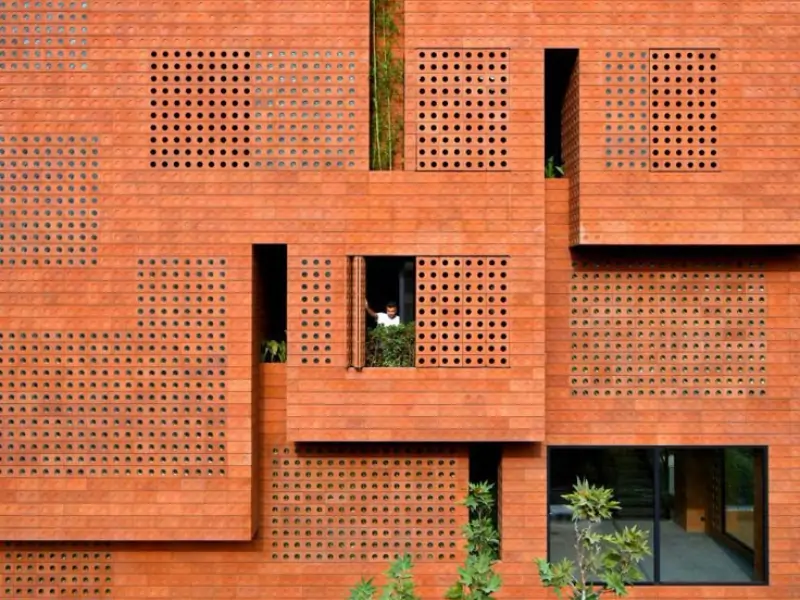
Brick veneer gives your home a classic look with a modern twist. You get a wide range of colors and textures, so you can match almost any style. This cladding fits both traditional and modern homes. You will notice that brick veneer helps keep your house warm in winter and cool in summer. The air gap behind the bricks acts like insulation and can lower your energy bills by up to 20%. Brick veneer stands up to bad weather and pests. You do not have to worry much about maintenance. Most brick veneer uses recycled materials, making it a smart choice for the planet.
- Wide range of colors and textures for any style
- Improves energy efficiency with an insulating air gap
- Durable against weather and pests
- Low maintenance and long-lasting
- Often made with recycled materials
Tip: Always make sure your installer adds moisture barriers and weep holes. This keeps your walls dry and strong for years.
Pros and Cons
Let’s look at what you get with brick veneer:
| Pros | Cons |
|---|---|
| Timeless look for any home | Needs proper installation |
| Low maintenance—just clean and inspect | Not as strong as solid brick |
| Energy efficient—helps lower bills | Can chip if hit hard |
| Lighter and easier to install than real brick | Some styles cost more |
| Eco-friendly—uses less material | May need sealing in wet climates |
Applications
You can use brick veneer almost anywhere. Most people put it on the outside of their homes for a classic look. You can also use it inside for feature walls, fireplaces, or kitchen backsplashes. Brick veneer works well for both new builds and remodels. You do not need to change your home’s structure to add it. The thin bricks fit right over existing walls, so you get a fresh look without a big mess.
- Exterior walls for curb appeal
- Interior accent walls and fireplaces
- Kitchen backsplashes for texture
- Entryways and columns
Want to add warmth and charm to a modern space? Try a brick veneer feature wall in your living room.
Cost & Care
Brick veneer costs much less than solid brick. You can expect to pay about $8 to $18 per square foot installed, depending on the type and brand. Faux-brick panels cost a bit more, but they are still cheaper than real brick. Solid brick can cost up to $30 per square foot, so brick veneer saves you money. You do not need a mason for most jobs, which cuts labor costs. Brick veneer lasts 50 to 100 years if you take care of it. Just clean it with water, check for cracks, and keep weep holes clear. Seal the bricks if you live in a wet area. With a little care, your brick veneer will look great for decades.
Porcelain Slabs
Features
Porcelain slab cladding makes your house look modern and smooth. You can pick from many colors and textures, like wood or stone. Some panels even look like metal. The panels are big, sometimes as large as 1 meter by 3 meters. This means your walls have fewer seams and look neat. The panels are light, so they are easy to carry and put up. Water, stains, and graffiti do not stick to the surface. The panels do not scratch easily and can handle sun and bad weather. Porcelain slabs stay nice for years with little work. They use natural materials and are good for the earth. Many designers like the sharp, clean edges from the factory. This gives your home a fancy, tidy look.
- Many colors and finishes, like wood or stone
- Big panels mean fewer seams and a modern look
- Light and simple to install
- Strong against weather, sun, and scratches
- Good for the planet and made from natural stuff
- Easy to clean—just wipe with water
Tip: Porcelain slabs are great for places with lots of sun, rain, or snow.
Pros and Cons
Here is what you get with porcelain slab cladding:
| Advantages | Disadvantages |
|---|---|
| Lots of design choices, even textured ones | Costs more at first than some other types |
| Very strong and lasts a long time | Needs skilled workers to put up |
| Simple to clean and does not stain | Heavy panels are hard to use upstairs |
| Stops water and fire | Feels cold in winter |
| Looks fancy and high-end | Shiny panels can be slippery when wet |
| Good for busy spots—does not wear out fast | Hard to fix if it breaks |
Applications
You can use porcelain slabs in many places on your house. Most people put them on outside walls for a smooth look. You can also use them for special walls, entryways, or around doors and windows. Some people use porcelain slabs for patios or outdoor kitchens because they do not stain. These panels work for new houses and remodels. You can mix them with wood or metal for a cool style.
- Outside house walls
- Special or accent walls
- Entryways and patios
- Outdoor kitchens and living spaces
Want a bold, smooth look? Try big porcelain slabs on your front wall.
Cost & Care
Porcelain slab cladding costs more at first, about $60 to $120 per square meter installed. You save money later because you do not need to paint or seal them much. Cleaning is easy—just use water and a soft cloth. No special cleaners are needed. Check the panels once a year for chips or cracks, especially after storms. If a panel breaks, it can be hard to fix and may need a pro. With good care, your porcelain cladding will look new for many years.
Engineered Wood
Features
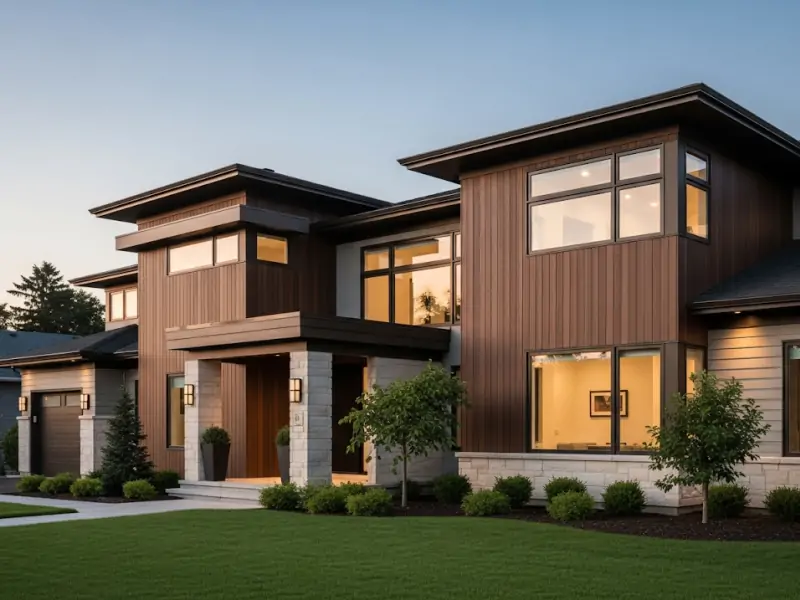
Engineered wood gives you the look of real wood with extra strength. Manufacturers make it by bonding layers of wood together. This process makes the boards stable and less likely to warp or crack. You can find many finishes, from smooth to textured. Some products even come pre-finished, so you do not need to paint or stain them. Engineered wood stands up well to rain, sun, and cold. It often uses recycled wood, which helps the environment.
Tip: If you want a modern style but love the warmth of wood, engineered wood is a smart choice.
Pros and Cons
Let’s look at what you get with engineered wood:
| Pros | Cons |
|---|---|
| Looks like real wood | Needs sealing in wet climates |
| Resists warping and cracking | Can fade if not maintained |
| Lighter than solid wood | Not as tough as stone or metal |
| Easy to install | May cost more than basic wood |
| Uses recycled materials |
You get the beauty of wood cladding with less worry about damage.
Applications
You can use engineered wood on almost any part of your house. Many people choose it for exterior siding. It works well for accent walls, garages, and even garden sheds. Some homeowners use it indoors for feature walls. You can mix it with stone or metal for a fresh look. Engineered wood fits both new homes and remodels.
Cost & Care
Engineered wood costs less than many premium siding options. You might pay $6 to $12 per square foot installed. Maintenance is simple. Wash it once a year with water. Check for chips or cracks after storms. Reseal the boards every few years if you live in a wet area. With good care, your engineered wood cladding can last 20 to 30 years.
Stucco
Features
Stucco gives your house a smooth, clean look. You see it on many homes in warm, dry places. This cladding uses a mix of cement, sand, lime, and water. You can pick from many colors and textures. Some people like a rough finish, while others want a flat, modern style. Stucco works well on many surfaces, like wood, brick, or concrete. You can even add pigments to get the exact color you want. Stucco also helps block noise and keeps your home cooler in summer.
Tip: You can add special coatings to make stucco resist water and cracks.
Pros and Cons
Stucco has some great benefits, but you should know the downsides too.
| Pros | Cons |
|---|---|
| Looks modern and neat | Can crack if the ground shifts |
| Fire-resistant | Needs skilled workers to install |
| Blocks noise | Not great in very wet climates |
| Many colors and textures | Needs repairs if damaged |
| Helps keep your home cool | May fade in strong sun |
You get a stylish finish, but you need to watch for cracks.
Applications
You can use stucco on almost any house. Most people put it on outside walls. It works well for both new homes and remodels. You can use stucco for accent walls, garden walls, or even outdoor kitchens. Some people use it inside for a unique look. Stucco fits many styles, from Spanish and Mediterranean to modern homes.
- Exterior walls
- Accent or feature walls
- Garden and courtyard walls
- Outdoor kitchens
Want a bold look? Try a colored stucco accent wall by your front door.
Cost & Care
Stucco costs about $8 to $15 per square foot installed. The price depends on the finish and where you live. You do not need to paint stucco often. Just wash it with water once or twice a year. Check for cracks after storms or earthquakes. Small cracks are easy to fix with patch kits. For big repairs, call a pro. With good care, stucco can last 50 years or more.
| Task | How Often | Notes |
|---|---|---|
| Washing | 1-2 times/year | Use a hose, not a pressure washer |
| Crack Check | Yearly | Patch small cracks quickly |
| Repainting | Every 7-10 yrs | Only if color fades |
Note: Stucco lasts a long time if you keep it clean and fix cracks early.
Choosing the Right Cladding
Factors to Consider
Picking the best cladding for house projects can feel overwhelming, but you can make it easier by focusing on a few key points. You want your home to look great and last for years. Here are some things you should think about:
- Durability and weather resistance matter most. Fiber cement and metal stand up to harsh weather and need fewer repairs.
- Pest resistance helps, especially if you live where termites are a problem. Fiber cement naturally keeps pests away.
- Maintenance is different for each material. Wood looks beautiful but needs regular care. Metal and composite panels need less work.
- Aesthetics and design flexibility let you match your style. You can pick from many colors, textures, and finishes to make your cladding exterior walls stand out.
- Installation ease can save you money. Some modern cladding solutions use modular panels or clips, so the job goes faster.
- Cost is important. Think about both the price to buy and install, and what you will spend on care over time. Cost-effective cladding gives you value for years.
- Work with a trusted provider. They can help you choose materials that fit your climate, budget, and design goals.
Tip: Porcelain slabs offer low maintenance and lots of design options, while metal cladding gives a modern look and strong fire resistance.
When to Consult a Pro
Sometimes, you need expert advice to get the best cladding for house projects. Here’s when you should reach out to a professional:
- You want to boost your home’s value or curb appeal.
- You care about eco-friendly choices and want sustainable exterior cladding.
- You want to avoid high maintenance costs or time-consuming upkeep.
- You need help picking durable, long-lasting materials with good warranties.
- You want to understand how your choice affects energy use and the environment.
- You feel unsure about installation or want to avoid mistakes.
A pro can help you balance style, cost, and performance. They know which materials work best for your area and can guide you through the process. You get peace of mind and a home that looks amazing for years.
When you pick exterior cladding, you want your modern house exterior to last and look great. Think about these points:
- Wood cladding brings warmth and style but needs care.
- Stone cladding gives timeless beauty and low maintenance.
- V Groove siding offers modern looks and fits most budgets.
Use the comparison table to match your needs for durability, style, and cost. If you feel unsure, talk to a pro before you choose cladding exterior walls for your home. The right modern exterior cladding can boost your curb appeal and save you money for years.
FAQ
What is the easiest cladding to maintain?
You want something simple? Go for composite panels or aluminum. You just wash them with water once in a while. No painting or sealing needed. These options save you time and effort.
Can I install cladding myself?
You can try with lightweight options like timber or engineered wood. Most people hire a pro for heavy or tricky materials like stone veneer or porcelain slabs. This way, you get a safe and neat finish.
How do I pick the right color for my cladding?
Think about your roof, windows, and the houses nearby. Pick a color that matches or stands out in a good way. Many brands offer samples. Hold them up to your wall and see what looks best in sunlight.
Does cladding help with energy bills?
Yes! Some cladding, like brick veneer and insulated panels, keeps your house warmer in winter and cooler in summer. You use less energy for heating and cooling. That means lower bills for you.
Is cladding safe in wildfires?
You want extra safety? Choose fiber cement, metal, or stone veneer. These materials resist fire much better than wood. Always check local building codes for the safest options in your area.