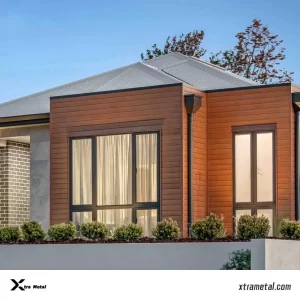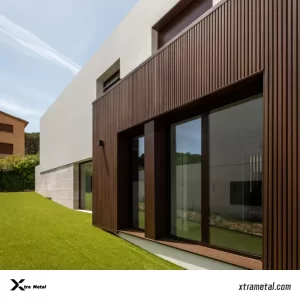
Exterior wall cladding refers to the application of wood boards or panels to the exterior of a building to enhance its aesthetic and protect against the elements. Commonly used cladding woods include cedar, redwood, pine and oak.
This type of exterior cladding is prized for its natural beauty, warmth and the fact that it gives a building character. It can be laid vertically, horizontally or in a variety of patterns to achieve different visual effects.
However, it is important to remember that wood is highly flammable and does not offer the same fire protection as other materials.

Pros of Exterior Wood Cladding
Natural Style
You want your house to look nice and friendly. Wood cladding gives homes a classic, warm style. This look never gets old. Real estate experts say wood siding makes homes more attractive. It adds charm and character. Picking the right color and style helps your house look fresh and cared for. This can bring in buyers and raise your home’s value. Wood siding does more than look good. It changes how people feel about your house. It makes your home feel cozy and welcoming. This gives a great first impression.
Energy Efficiency
Timber cladding does more than look nice. It helps keep your home comfy all year. Wood siding is good insulation. Its cells trap heat. This means you lose less heat in winter. You stay cooler in summer. This can lower your energy bills. Wood wall assemblies help you meet energy codes. They keep indoor temperatures steady.
Here’s a table showing how wood siding insulates compared to other materials:
| Siding Material | Approximate R-Value per Inch |
|---|---|
| Wood Siding | 0.81 |
| Vinyl Siding | 0.61 |
| Metal Siding | 0.61 |
| Fiber Cement Siding | 0.47 |
| Brick Siding | 0.44 |
| Stone Veneer Siding | 0.41 |
| Insulated Vinyl Siding | Up to 2.7 |

Wood siding insulates better than vinyl, metal, or brick. Adding extra insulation behind timber cladding saves even more energy. Studies show wood shavings work well as insulation in cold places. They keep homes warm and dry. Timber cladding helps stop heat loss and keeps homes from getting too hot. This makes your home more energy efficient.
Sustainability
If you care about nature, timber cladding is a smart pick. Wood is renewable. When you choose certified products, you help forests stay healthy. Look for certifications like FSC, PEFC, SFI, or LEED. These show your wood comes from well-managed forests. MOSO® Bamboo cladding grows fast and meets tough green rules.
- FSC and PEFC: Make sure wood comes from good forests.
- SFI and ATFS: Support smart land care and are used by green builders.
- LEED, BREEAM, and WELL: Ask for green materials in exterior cladding.
Wood siding also stores carbon. This helps lower your home’s carbon footprint. Wood is greener than vinyl or fiber cement siding if you take care of it and pick sustainable sources. Making and caring for wood siding uses energy. But wood is still one of the best green building materials.
Sound Control
You might not think about noise when picking siding. But timber cladding can make your home quieter. Wood siding, when thick and sealed well, blocks and absorbs sound. Engineered wood siding is even better at stopping noise. Its layers help block sound. Adding insulation behind wood cladding cuts noise even more.
- Engineered wood siding blocks and absorbs sound.
- Sealing cracks and gaps helps control noise.
- Double siding and extra insulation make soundproofing stronger.
Wood panels also help balance sound inside your home. This makes rooms feel calm. Timber cladding will not block all outside noise. But it is a good part of a bigger plan to reduce noise.
Design Versatility
Timber cladding gives you lots of design choices. You can pick from many wood types, finishes, and ways to install it. Vertical cladding makes homes look taller. Horizontal cladding makes them look longer. Two-tone designs, mixed materials, and patterns add interest. Architects like using wood cladding for unique looks. They use CNC-milled patterns or let wood age naturally for cool effects.
- Popular woods are European larch, Douglas fir, American white oak, and thermally modified types.
- Shou Sugi Ban (wood charring) and thermal modification make wood last longer and add texture.
- Natural finishes show off the wood’s grain and color. Reclaimed wood gives a rustic feel.
You can use timber cladding on walls, ceilings, decks, and around windows. This gives your home a modern, matching look. You can match your cladding to your home’s style and your own taste.
Cons of Exterior Wood Cladding
Maintenance Needs
When you choose timber cladding, you sign up for regular maintenance. You need to sand, caulk, and paint every two to three years. If you skip these steps, you might see chipping, color fading, peeling, or flaking. Water damage is a big threat. Wood siding absorbs moisture, which can lead to rot and mold. You must seal your wood cladding to protect it from rain and sun. Staining or painting keeps it looking good. Cleaning removes dirt, mildew, and mold. You should inspect for cracks, warping, and rot. Repairs stop small problems from getting worse.
Here’s what you can expect over a 10-year period:
- Sand and repaint or restain every 2–3 years.
- Seal to block moisture and UV rays.
- Clean to remove dirt, mildew, and mold.
- Inspect for cracks, warping, and rot.
- Repair damage quickly to avoid bigger issues.
The type of finish, wood species, and your local weather all affect how often you need to do maintenance. Opaque stains last longer than clear ones. Film-forming stains need less frequent but more intense care. Penetrating stains need more frequent touch-ups but are easier to handle yourself. If you want low-maintenance exterior cladding, timber cladding may not be the best fit.
Moisture and Pest Risks
Timber cladding faces real challenges from moisture and pests. Wood siding can warp or bow out when it soaks up water. This causes sagging, buckling, and gaps. Gaps let in leaks, mold, and even pests. Rot and decay can set in, weakening your exterior cladding. Sun and rain together can make paint patchy and colors uneven. You need to sand, paint, stain, and caulk often to keep these problems away.
Pests love wood. Termites, carpenter ants, carpenter bees, and wood-boring beetles can all attack your timber cladding. Termites cause the most damage, affecting about 600,000 homes each year in the U.S. and costing billions in repairs. Carpenter ants and bees target moist or rotting wood. Wood-boring beetles leave small holes and can come from lumber used in your siding.
| Pest Type | Damage Characteristics | Prevalence and Impact |
|---|---|---|
| Termites | Eat wood, cause major structural damage; hollow out wood | Affect ~600,000 homes/year in U.S.; ~$30 billion in damage; most common wood pest |
| Carpenter Ants | It can require fumigation; damage varies | Common; leave sawdust; need expert removal |
| Carpenter Bees | Bore holes for nests; do not eat wood | Target siding and trim; less severe damage |
| Wood Boring Beetles | Make exit holes and tunnels; infest from larvae in lumber | Can require fumigation; damage varies |
You need regular inspections to catch these pests early. If you live in a wet or humid area, the disadvantages of timber cladding become even more obvious. Moisture and pests can shorten the lifespan of your wood siding if you do not stay on top of maintenance.

Cost Factors
The cost of timber cladding can surprise you. Installation costs for exterior wood cladding usually range from $3 to $25 per square foot. Most projects fall between $3 and $10 per square foot, including labor and materials. Labor alone adds $2 to $5 per square foot. Premium woods like cedar or tropical hardwoods can cost up to $30 per square foot, not counting labor.
But the spending does not stop after installation. You need to budget for ongoing maintenance. Sanding, painting, sealing, and repairs all add up over time. Compared to vinyl or metal siding, wood siding costs more to maintain. Here’s a quick look at how maintenance costs stack up:
| Siding Type | Maintenance Requirements | Maintenance Cost Factors | Lifespan | Additional Notes |
|---|---|---|---|---|
| Wood | Repainting/staining every 3–5 years; pest and rot risk | Frequent upkeep, flame retardant adds cost | 10–20 years | Classic look, high maintenance, flammable |
| Vinyl | Low maintenance; no painting; less pest/moisture risk | Lower costs; may need storm repairs | 10–20 years | Affordable, less durable in harsh weather |
| Metal | Low maintenance; fire/pest resistant; can dent | Low costs; repairs for dents | 15–100+ years | Durable, modern, less soundproof |
Composite and fiber cement siding have lower long-term costs because they need less upkeep. Timber cladding may look great, but you pay more to keep it that way.
Fire Vulnerability
Fire is a serious concern for timber cladding. Most wood siding is flammable unless treated. Some hardwoods like Ipe and Cumaru can reach a Class A fire rating, which is the highest. Treated woods like SaferWood ThermaWood FR Hem-Fir also meet strict fire codes. These treatments use special chemicals and processes to slow down burning.
If you live in a fire-prone area, you need to follow building codes. Many places require non-combustible or ignition-resistant exterior cladding. Codes may ask you to:
- Use fire-retardant or non-combustible materials.
- Install metal screens to block embers.
- Add fire-resistant sheathing and insulation.
- Avoid air gaps behind siding that can let fire in.
The California Building Code and other rules set high standards for exterior siding in wildfire zones. Thermally modified wood and fire-retardant treatments can help, but they add to your costs. If you want to use timber cladding in these areas, you must check local codes and pick products that meet safety standards.
Tip: Always ask your contractor about fire ratings and code compliance before you choose wood cladding for your home.
Durability Concerns
Timber cladding can last for decades, but only if you install and maintain it well. Poor installation, bad design, or skipped maintenance can lead to early failure. Wood siding is sensitive to moisture, pests, and sun. If you do not keep up with care, you risk rot, mold, and insect damage. The sun can fade and weaken the wood over time.
The average lifespan for untreated wood siding is 10–15 years. Pressure-treated wood can last 15–20 years. Tropical hardwoods like teak can last over 25 years with good maintenance. For the best results, use Class 1 or Class 2 timbers, which last longer above ground.
| Wood Type | Average Lifespan (with maintenance) |
|---|---|
| Pressure-Treated Wood | 15–20 years |
| Untreated Woods | 10–15 years (typical) |
| Tropical Hardwoods (e.g., Teak) | Over 25 years (with maintenance) |
Many things can shorten the life of your timber cladding:
- Poor installation lets water in and causes problems.
- Moisture leads to rot, mold, and mildew.
- Skipping maintenance lets dirt and mold build up.
- Pests like termites and ants eat away at the wood.
- Too much sun fades and weakens the siding.
The timeless beauty of wood siding is undeniable, lending warmth and classic character to any home. However, this traditional aesthetic comes with a significant commitment of time, effort, and money. The relentless cycle of maintenance, vulnerability to weather and pests, and the potential for costly repairs has led many homeowners and builders to seek a better solution.
Popular Alternatives to Wood Cladding
Quick Comparison: How the Top Wood Siding Alternatives Stack Up
| Material | Regular painting, staining, and sealing | Lifespan (Years) | Maintenance Level | Key Maintenance Task | Fire Rating |
|---|---|---|---|---|---|
| Wood | $5 – $10+ | 15 – 40 | High | Regular painting, staining, sealing | Combustible |
| Vinyl | $2 – $12 | 20 – 40 | Very Low | Occasional cleaning | Fire-Resistant (can melt) |
| Fiber Cement | $5 – $25+ | 50 – 100 | Low | Repainting every 10-15 years | Non-Combustible |
| Aluminum | $14 – $36 | 40 – 70+ | Very Low | Occasional cleaning | Average Installed Cost ($/sq ft.) |
The Ultimate Solution: Aluminum Cladding
After comparing the options, aluminum emerges as a premier modern solution, offering an optimal balance of aesthetics, performance, and long-term value. It effectively solves the primary drawbacks of other materials.




Durability and Longer lifespan
Aluminum is naturally rust-proof and corrosion-resistant, allowing it to withstand the harshest weather conditions, from coastal salt spray to intense sun. Unlike wood, it will never rot, warp, or crack, ensuring your home’s exterior remains flawless for decades.
Design Flexibility for Any Architectural Style
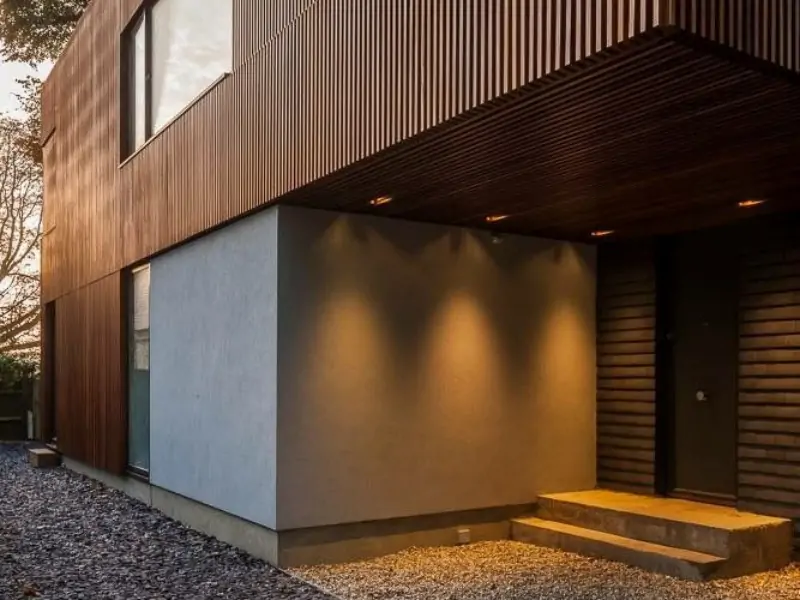
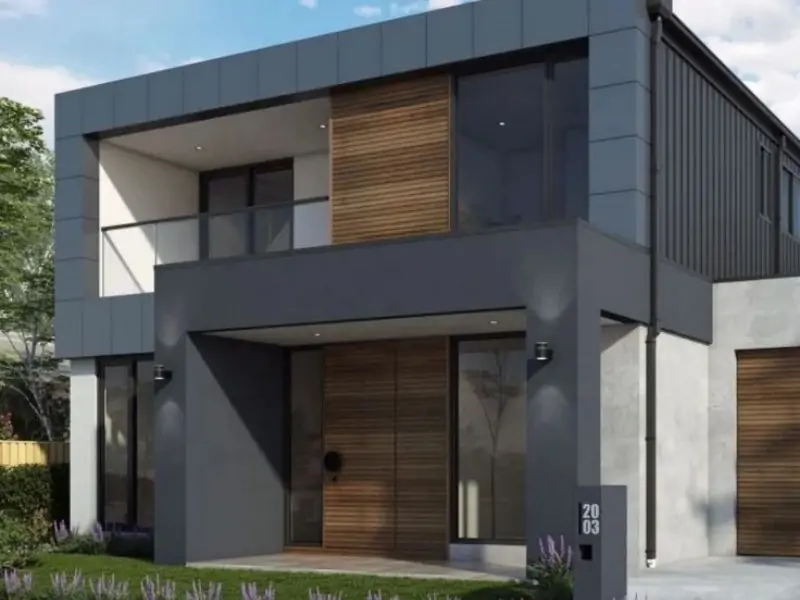
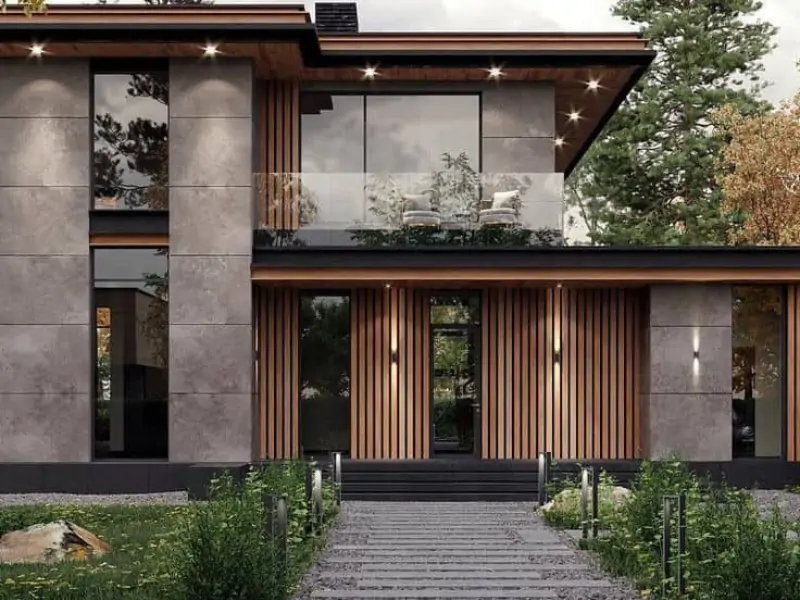
Modern aluminum cladding offers incredible design flexibility. Whether you desire the sharp, clean lines of a contemporary home or a more traditional board-and-batten look, aluminum delivers. It’s available in a vast palette of colors and finishes to perfectly match your vision.
Looks Like Wood
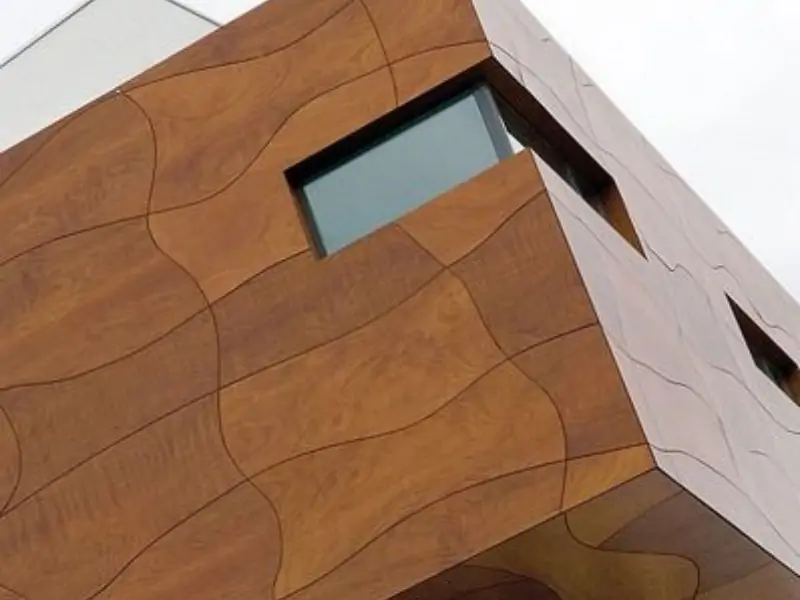
For those who love the classic aesthetic of timber, wood-grain aluminum cladding offers the perfect compromise. Using advanced finishing technology, it provides the rich, natural beauty and texture of wood with the unbeatable durability and zero-maintenance benefits of aluminum. It’s truly the best of both worlds.
Variety of color and texture:
Achieves the authentic look and feel of various wood species.
Impervious to Nature:
Will not rot, warp, splinter, or attract pests.
Zero Care and Maintenance:
The factory-applied finish is designed to last for decades without ever needing to be painted or sealed. Compared with other materials, it only requires simpler maintenance to maintain a longer life
A Sustainable Choice:
Made from a high percentage of recycled material and is 100% recyclable at the end of its long life.
Conclusion
When searching for cladding options for your next project, there is a wide variety of colors and finishes to choose from. Whether you prioritize the reuse of recycled plastic, the strength of fiber cement, the clarity of glass, or the industrial chic of corrugated metal, each material has its own unique benefits.
By incorporating sustainable cladding options into your home design, you’re not only enhancing its beauty, you’re also contributing to the ongoing creation of a greener, more environmentally friendly future.