Aluminum Cladding Design Ideas – Modern, Durable, and Customizable Solutions
Update:
Discover how to customize aluminum cladding designs to transform your building’s façade. Learn about finishes, profiles, and styles that combine modern aesthetics with lasting durability. XtraMetal offers innovative batten & cladding solutions tailored to your space, budget, and vision.
Is there anything more transformative than giving your building a sleek, modern façade with aluminum cladding system? With the right design, aluminum cladding can do far more than enhance design style — it can improve performance, durability, and even energy efficiency.
This in-depth guide will show you how to customize aluminum cladding designs to perfectly suit your architectural vision. We’ll explore finishes, textures, maintenance,and installation styles, all while focusing on the balance between stunning appearance and practical function.
What is Aluminum Cladding?
Aluminum cladding is one of the most versatile and innovative exterior solutions in modern architecture. Its lightweight yet durable nature makes it suitable for residential, commercial, and industrial projects alike. Unlike other materials, aluminum offers a high strength-to-weight ratio, allowing for bold, creative designs without heavy structural requirements.
Key benefits of aluminum cladding include:
Corrosion Resistance – Perfect for coastal or high-moisture environments.
Wide Range of Finishes – From sleek metallic tones to realistic woodgrain patterns.
Low Maintenance – Minimal upkeep while retaining a fresh, clean look.
Sustainability – 100% recyclable with minimal environmental impact.
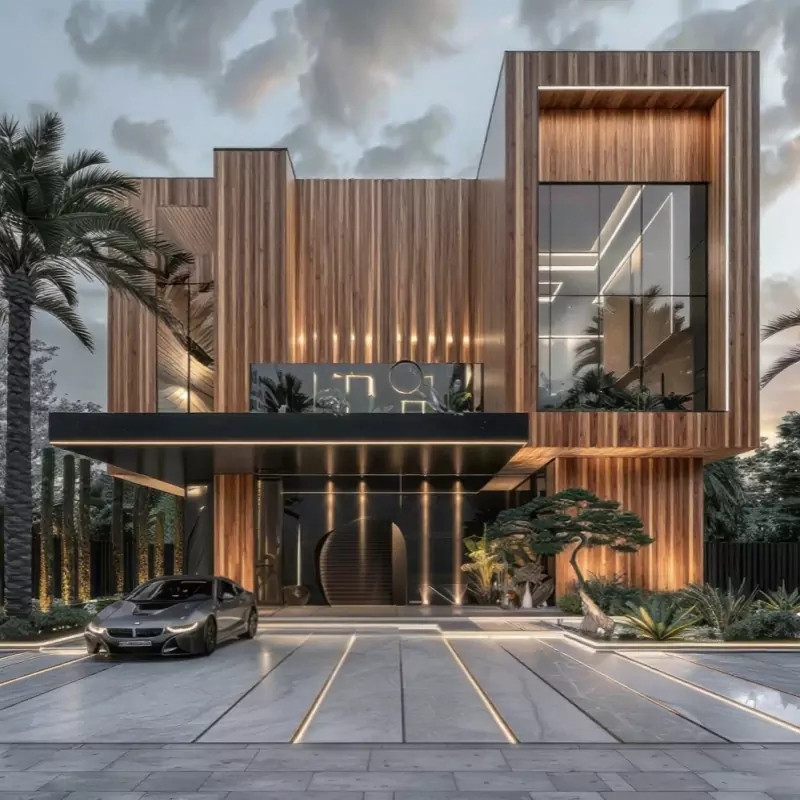
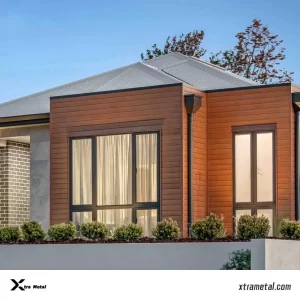
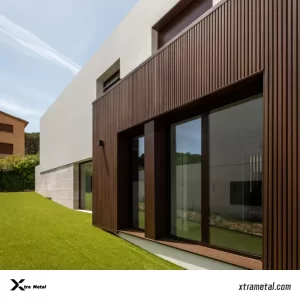
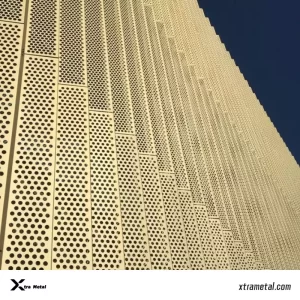
villa with aluminium cladding panelAluminium woodlook cladding wallAluminum cladding surround windowAluminium cladding ceilingAluminum perforated cladding wallAluminum vertical louver facade
Modular aluminum curtain wall panels are a popular choice today. These panels use light metal cladding to make strong building covers. Architects pick aluminum composite panel systems because they are easy to put up. The panels can make many shapes. They fit together like blocks, so it is simple to cover big spaces. Many new buildings use these panels with glass or stone for a smooth look. Xtra Metal panels are flat and last a long time. They work inside and outside. These panels do not get damaged by weather or water. This helps buildings stay strong for years.
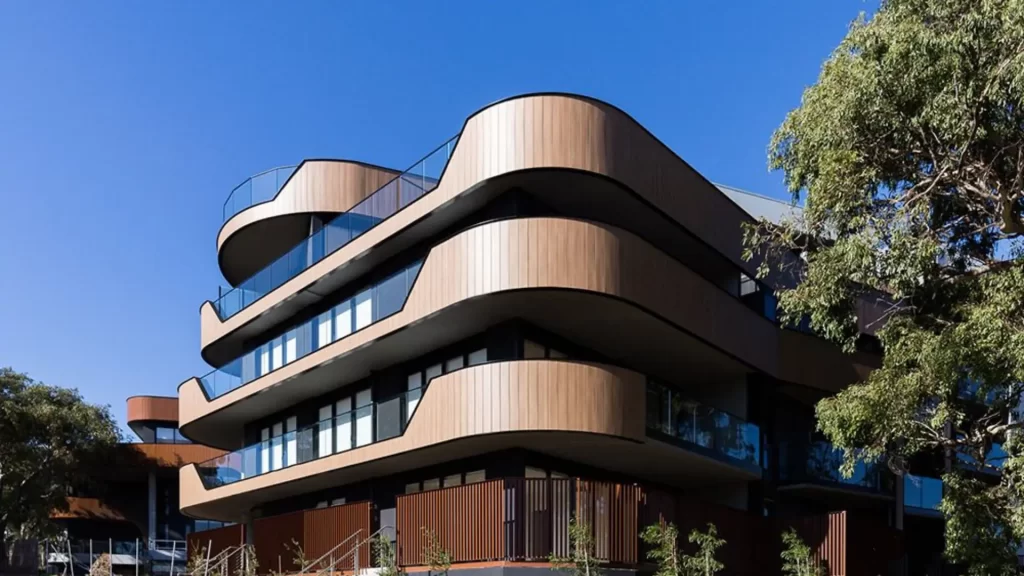
XtraMetal Prefabrication & Modular Project in Australia
Curvilinear Forms
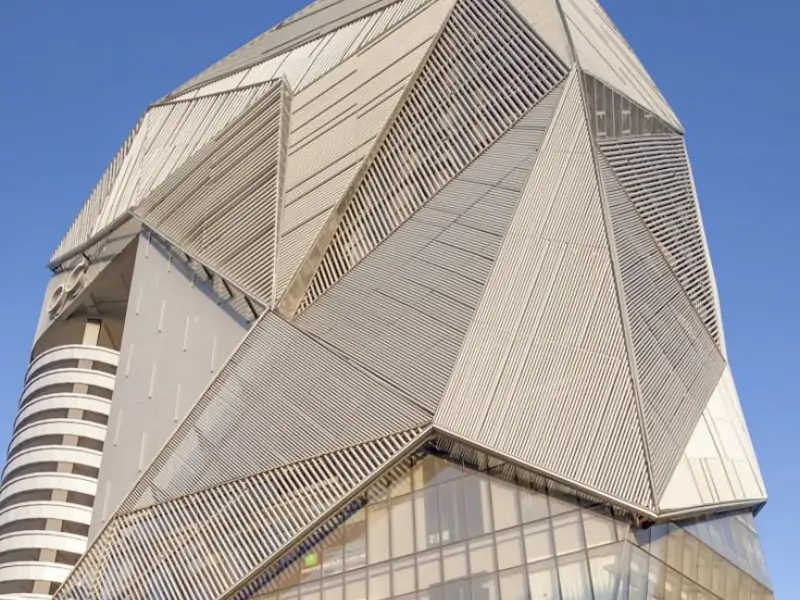
Curved shapes in metal cladding give buildings a special look. Aluminum curtain wall panels can bend and twist. This lets architects make smooth, flowing walls. The Chengdu Supercomputing Center uses these panels with glass for a cool, modern style. Curved forms help buildings stand out in cities. Stone-finish aluminum panels look like real stone but keep the good parts of metal cladding. Aluminum curtain wall panels are flexible. They help designers try new ideas and mix materials easily.
Mixing glass, stone, and aluminum makes building exteriors look lively. Aluminum curtain wall panels often go with glass to let in sunlight. This also makes fun of shadows. Some new buildings use dark glass with aluminum panels for a bold look. Stone-finish aluminum panels look like stone but are light and strong. Using different materials gives buildings both beauty and strength.
Mixing glass, stone, and aluminum cladding for building exterior walls
Visual Styles Innovations
Reflective Aluminum Cladding
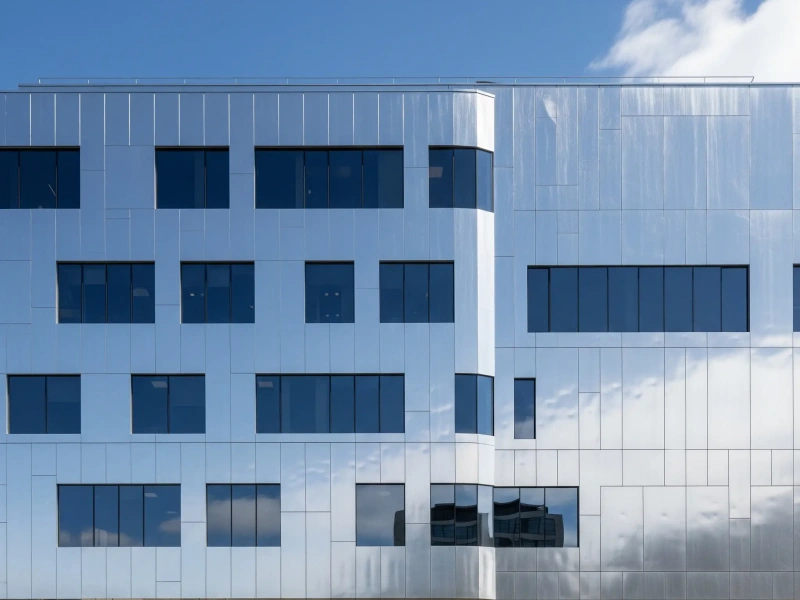
Reflective aluminum cladding is easy to notice on new buildings. It changes how a building looks from the outside. Architects use this metal to make buildings look modern and cool. The shiny surface can reflect up to 95% of the sun’s energy. This helps keep buildings cooler and saves money on air conditioning. These panels often have special coatings that protect them from the sun, rain, and dirt. Aluminum is light, so it does not make buildings heavy. This makes it easier and cheaper to put up. The shiny cladding also makes the outside of buildings look interesting. It changes with the sunlight during the day. This makes the building look different as the light moves. Using reflective cladding helps the building look better and saves energy.
Reflective Aluminum Cladding Wall Design Ideas
Mirror Finishes
Mirror finishes on aluminum are popular in new building designs. These shiny surfaces make buildings look bigger and brighter. They help buildings blend in with the sky or city around them. This makes the building look bold but also fit in. Mirror-finished aluminum is lighter and stronger than glass. It is shiny but does not break easily. Architects use mirror finishes for hotels, malls, and public places. This makes the building stand out and look special. People can see themselves and the world around them in the shiny walls.
Mirror finishes on aluminum cladding
Geometric Patterns
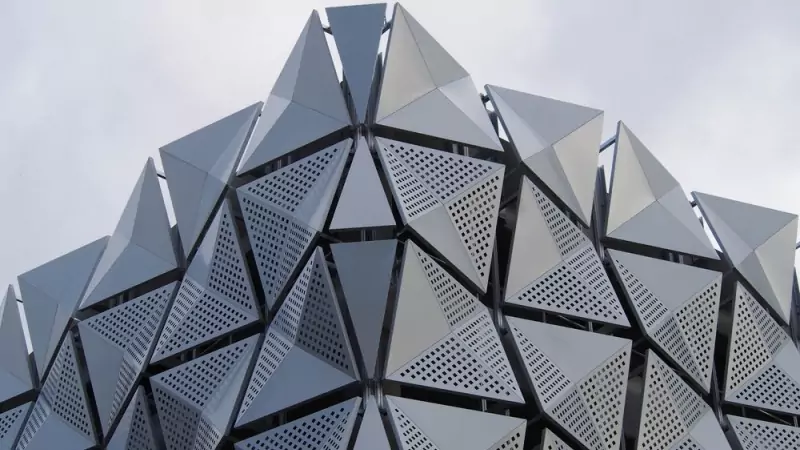
Geometric patterns in aluminum cladding make buildings look creative. Designers use 3D shapes, raised designs, and layers to add style. These patterns play with light and shadow. This makes the outside of buildings look cool and different. Many architects pick these patterns to show off their own style. Some panels have holes or special shapes for both looks and shade. These designs can also help keep buildings cool. Some patterns are inspired by local culture or nature. This makes each building unique.
Popular geometric trends in 2025 include:
Fluted panels with grooves and raised patterns
Dual-tone designs that change color with light
Custom textures printed to look like wood or stone
Golden 3D shapes aluminum cladding panels wall
Vertical Panels
Vertical aluminum panels are now common in new buildings. They make buildings look taller and more modern. These panels create lines that go up and down. In Iceland, one building uses vertical panels on a bent roof. This helps the building fit in with nature and stand up to bad weather. Some panels have holes that let light through. This makes the building look different as the sun moves. Architects like vertical panels because they are strong and last a long time. They work well for homes and businesses.
Accent walls made from aluminum cladding help designers make spaces look special. These panels are light, strong, and do not rust. They work inside and outside. Some have special coatings to keep their color bright. Others look like wood but are made of metal. Some panels are made thicker for extra strength and warmth. Accent walls can have holes or cool shapes for style and shade. Machines can cut very detailed patterns into the panels. Accent walls make buildings look modern and save energy. They are easy to take care of and last a long time.
Key benefits of aluminum accent walls:
Light and strong for lasting beauty
Many design choices for special looks
Easy to put up and not too expensive
Help keep buildings warm or cool
Easy to clean and can be recycled
Exterior Woodgrain aluminum cladding accent wall
Metal Cladding Innovations
3D Textures
3D textures in metal cladding make buildings look lively. Aluminum panels have raised and sunken patterns. These patterns give the walls depth and movement. Sunlight hits the designs and makes shadows that change the day. Architects use 3D ripple and embossed panels for style and to save energy. Aluminum is light, so it is easy to shape into new designs. This helps architects create buildings that stand out in cities.
3D Aluminum Panel Wall Design Ides
Perforated Panels
Perforated metal cladding panels look good and work well. Designers pick hole sizes and shapes to control light and air. Aluminum perforated panels help air move and keep buildings cooler. The panels let light through in fun and creative ways. Many new buildings use perforated aluminum cladding for both beauty and function.
Perforated aluminum cladding wall for a commercial building
Custom colors in aluminum cladding help architects match their ideas. Companies now have over 45 colors, wood looks, and special finishes. These choices let buildings have bright or soft colors on walls and roofs. Special coatings make the panels feel different and keep colors strong. Custom designs can show local culture or history. This makes every building special.
Popular trends in 2025 include:
Facades with many colors inspired by art or flags
Strong coatings that stop the sun, rust, and chemicals
Exterior Black Aluminum Cladding Panels Wall for Residential
Nature-Inspired Patterns
Nature-inspired patterns in aluminum cladding link buildings to nature. New coatings let panels look like wood, stone, or clay. These finishes look real but need less care. Architects use aluminum cladding with woodgrain to mix old and new styles. Shapes like water or leaves make spaces calm. This helps people feel closer to nature.
Stone-look aluminum wall panels for the house exterior wall
Aluminum cladding helps buildings save energy and be greener. Architects pick metal cladding because it keeps out bad weather and blocks noise. It also makes buildings more comfortable inside. The new ideas below show how aluminum cladding helps buildings last longer and be better for the planet.
Solar Integration
Solar integration with aluminum cladding changes how buildings use power. Architects now put solar panels with metal cladding on walls and roofs. These systems make energy from the sun. Aluminum cladding bounces sunlight away. This keeps buildings cooler and cuts down on air conditioning. Some systems have special breaks to keep heat out and save even more energy.
A solar-powered house uses aluminum panels and triple-glazed windows. It has solar panels on the roof to make electricity. The strong aluminum works well with solar power. Aluminum cladding also fits with solar systems to help buildings use less energy. This helps buildings get green awards like LEED and WELL.
Solar integration with aluminum cladding
Ventilated Systems
Ventilated aluminum cladding has a space between the metal and the wall. Air moves in this gap. This helps keep the building cool in summer and warm in winter. The moving air dries the panels and controls the inside temperature. Ventilated systems also stop water from building up. This keeps the building safe from mold and damage.
Keeps rooms cooler in summer and warmer in winter.
Dries out wet spots with moving air.
Stops water drops and mold from forming.
Reduces cracks from hot and cold changes.
Needs little care, especially with strong aluminum.
Makes rooms quieter and keeps heat in.
Adds value with strength and many design choices.
Ventilated metal cladding protects buildings and helps them last longer with less work.
Ventilated aluminum cladding for a commercial building
Aluminum cladding is strong and easy to take care of. The metal does not rust, break, or get damaged by bad weather. Special coatings keep the panels looking new for many years. Aluminum does not burn easily and can handle high heat. This makes it safe if there is a fire.
Aluminum cladding lasts longer and is easier to clean than other materials. Good aluminum cladding can last 40 to 60 years with simple cleaning. A natural layer on aluminum keeps out water and air. This makes metal cladding a smart and cheap choice for new buildings.
Aluminum and metal cladding help architects make buildings that save energy and stay quiet inside. They last a long time and are safe from fire. This makes them important for green and strong buildings.
Cladding Material comparison
Installation of Aluminum Cladding
Installing aluminum cladding is simple and efficient. First, workers prepare the wall surface and set up a support frame. Aluminum panels are then measured, cut, and fixed to the frame using clips, screws, or brackets. The panels are lightweight, making them easy to handle and lift into plac probe link check
Aluminum Solid Panel Installation Guide
Installers leave small gaps between panels to allow for expansion and airflow. This prevents damage over time. Joints are sealed to keep out water and dust. If needed, insulation can be added behind the cladding to improve energy savings.
Aluminum cladding systems are quick to install and cause little disruption. With the right tools and planning, a full building can be covered in a short time. This makes aluminum a smart choice for both new construction and renovations.
Installation Step
Description
Surface Preparation
Wall is cleaned and checked for level surfaces.
Frame Setup
Sub-framing is fixed for support.
Panel Cutting
Aluminum panels are measured and trimmed.
Fixing Panels
Panels are attached using fasteners or clips.
Sealing Joints
Gaps and joints are sealed for weatherproofing.
Final Check
Alignment, gaps, and finish are inspected.
Aluminum cladding systems are designed for easy setup, helping projects stay on schedule and within budget.
Want to see how you can enhance your space with permanent beauty?
Aluminum cladding keeps buildings safe and looking new. It does not rust or catch fire. Many architects like it because it is light and simple to put up. It helps save energy and cuts down on building costs. It also gives buildings a modern look and lasts a long time.
How does aluminum cladding improve building energy efficiency?
Aluminum cladding bounces sunlight away and stops heat from getting in. This keeps buildings cool in summer and warm in winter. Insulated panels help lower energy bills. Many green buildings use aluminum cladding to save energy.
Is aluminum cladding suitable for both new and old buildings?
Yes, aluminum cladding works for both new and old buildings. It fits many styles and protects old walls. Many projects use it to update old places but keep their history.
How to choose the proper metal cladding for a project?
Designers think about the weather, how the building is used, and the style. They look at how strong the panels are and what colors are offered. They also check how much care the panels need. It helps to look at samples and talk to experts. Picking the right cladding makes buildings last longer and look better.
Can aluminum cladding be recycled?
Yes, aluminum cladding is easy to recycle. Factories melt old panels to make new ones. This saves energy and helps the planet. Many green buildings use recycled aluminum for their cladding.
As an aluminum ceiling & facade manufacturing engineer, I spent years immersed in design and production for things like exterior walls and ceilings. Seeing the gap between technical specs and practical understanding sparked my desire to share my knowledge clearly and make engineering materials accessible to more people.