
You use vertical louvers in buildings to fix common problems. These louvers help you block sunlight. They let air move through rooms. Louvers keep your space private. They protect inside areas from bad weather. You save energy by controlling heat and air flow.
Persianas verticais offer flexible ways to make buildings look good, feel comfortable, e come in many styles.
What Are Vertical Louvers Used For in Architecture?
- Fachadas
- Interiors Feature Wall
- Parking Garages
- Rooftop Screening
- Storm-Prone Areas
Here is the quick introduction about 5 Uses of Vertical Louvers in Architecture:
| Aplicativo | Benefícios | Exemplos / Notas |
|---|
| Fachadas | – Controle do sol – Improved airflow – Eficiência energética – Coastal protection | Used in office towers, hotéis, and buildings near the sea. Use corrosion-resistant materials for marine areas. |
| Interiores | – Space division – Privacy with light/airflow – Flexible design | Open offices, Lobbies do hotel, salas de aula, meeting rooms. Adjustable louvers allow customization. |
| Parking Garages | – Ventilação – Weather protection | Allows airflow while keeping out rain and debris. |
| Rooftop Screening | – Equipment concealment – Aesthetic improvement | Covers HVAC units and mechanical systems to keep buildings neat. |
| Storm-Prone Areas | – Enhanced durability – Resistência ao tempo | Protects windows, portas, and facades during severe weather. |
5 Common and Modern Uses in Architecture
Fachadas
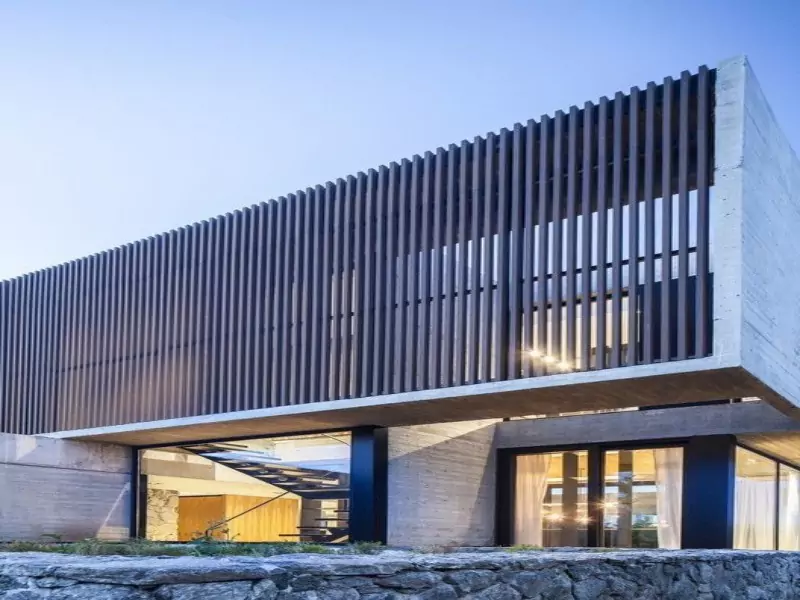
Você pode ver architectural louvers on many building facades. These systems help control sunlight and air outside buildings. Vertical louvers make office towers and hotels look interesting. They add layers and patterns to the outside walls. Louvers also help save energy by blocking the strong sun. They let in fresh air at the same time. In places near the ocean, louvers protect buildings from wind and salty water. This keeps the outside of your building clean and strong.
Dica: Pick louvers made with special materials if your building is near the sea.

Interiores
Architectural louvers are useful inside buildings, também. People use them to split up spaces in schools, hospitais, e escritórios. Vertical louvers help make private spots but still let in light and air. You can move the blades to change how private or open a space feels. In new building designs, louvers add style and help in lobbies, halls, and meeting rooms. Louvers make inside spaces easy to change and nice for everyone.
- Use louvers to make walls in open offices.
- Put louvers in hotel lobbies to make different sitting areas.
- Add louvers to classrooms for better light and privacy.
Specialized Uses
Architectural louvers have many special uses. In parking garages, louvers let air move but keep out rain and trash. People use them to hide machines on roofs. Vertical louvers cover HVAC units and keep buildings looking neat. In places with bad weather, louvers protect windows and doors from storms. You pick louvers with strong parts for extra safety.
| Aplicativo | Beneficiar |
|---|---|
| Parking garages | Fluxo de ar, proteção meteorológica |
| Rooftop screening | Equipment concealment |
| Storm-prone areas | Enhanced durability |
Parking Garages: Vertical louvers are widely used in parking garages to improve airflow and provide natural ventilation. They allow fresh air to circulate through the structure while keeping out rain, Destroços, and direct sunlight. This helps maintain a cooler environment, reduces the need for mechanical ventilation, and improves overall safety. Ao mesmo tempo, louvers enhance the exterior look of the garage, adding rhythm and texture to otherwise plain walls. Durable aluminum or steel louvers also withstand weather exposure, garantir o desempenho a longo prazo com manutenção mínima.
Rooftop Screening: Vertical louvers are an ideal solution for rooftop screening, effectively concealing HVAC units, solar panels, or other mechanical equipment. They provide a clean, organized appearance while allowing proper airflow to prevent overheating. Louvers also protect equipment from direct sunlight, vento, e detritos, extending their lifespan. With durable materials like aluminum ou aço, rooftop louvers resist corrosion and harsh weather conditions. Além da funcionalidade, they enhance the building’s aesthetic by adding texture, profundidade, and a modern architectural element to otherwise exposed rooftop areas.
Storm-Prone Areas: Offer reliable protection in storm-prone regions by shielding windows, portas, and exterior walls from heavy rain, ventos fortes, and flying debris. They are designed with durable materials like aluminum or reinforced steel to withstand extreme weather conditions while maintaining airflow and light control. Louvers also reduce potential water damage and help preserve the building’s structural integrity. Beyond protection, they add a sleek, modern look to the facade, making storm-resistant design both functional and visually appealing.
Fale com um consultor de confiança para discutir suas metas e necessidades de design do projeto
Vertical Louvers Functions
- Controle do sol
- Ventilação
- Privacidade
- Resistência ao tempo
- Eficiência energética
Controle do sol
Vertical louvers help control sunlight in buildings. They block strong light and stop glare. You can change their angle to let in soft light. This keeps out harsh sun rays. Sun control helps lower cooling bills. It keeps rooms at a good temperature.
- You save energy by stopping too much heat.
- You keep furniture and walls from fading.
Dica: Put vertical louvers on the east or west side for better shade and sunlight control.
Ventilação
Louvers help air move through rooms. Vertical louvers let fresh air come in. They keep out dust and dirt. You can open or close them to change airflow.
- You make indoor air healthier.
- You use fewer machines for air.
- You keep air moving and still get light.
| Função | Beneficiar |
|---|---|
| Fluxo de ar | Mais conforto |
| Luz | Natural light |
| Controlar | Easy ventilation |
Privacidade
Vertical louvers help keep rooms private. They block people from seeing inside. Light and air can still come in. You can move the louvers to change what people see.
- You make private spaces in offices.
- You keep hotel rooms hidden from public areas.
- You keep privacy and still get sunlight.
Observação: Louvers help schools, hospitais, and homes stay private.
Proteção meteorológica
Louvers protect buildings from rain and wind. Vertical louvers stop heavy rain and strong winds. They keep water out but let air and light in.
- You stop rain from hurting inside spaces.
- You spend less on repairs.
- You make buildings stronger in tough weather.
Louvers work best with other strong materials. Using vertical louvers helps your building stay safe from rain and sun.

How Vertical Louvers Work
Orientação
Vertical louvers stand straight up and down. They go from the floor to the ceiling or from the top to the bottom of a window. Por aqui, you can control sunlight and air in a special way. When louvers are vertical, they block sunlight from the east or west. They also help air move through the building better.
Observação: Vertical louvers work best on sides with strong morning or afternoon sun.
You can look at vertical louvers andcompare them to horizontal louvers. Horizontal louvers go side to side and block sunlight from above. Vertical louvers help stop glare and give more privacy from the sides. You pick vertical louvers when you want to control light and air from different directions.
| Louver Type | Melhor para | Sun Control Direction |
|---|---|---|
| Vertical | East/West facades | Side (low-angle) |
| Horizontal | South/North facades | Overhead (high sun) |

Operation
You can turn each blade of a vertical louver. This lets you pick how much light or air comes in. Open the louvers wide to let in fresh air. Close them to stop rain and wind. Many louvers use a handle or a motor to make this easy.
- Turn blades for more or less light.
- Open louvers for more air.
- Close louvers to keep out bad weather.
Vertical louvers give you many choices. You can move them during the day. This keeps your space nice and saves energy. Você não precisa de tanta luz elétrica ou resfriamento.
Dica: Automated louvers save time and help keep the building cool or warm all day.
Design and Maintenance
Materiais
You have many choices for louver materials.Aluminum is popular because it does not rust. It stays strong even in bad weather. Steel is good if you need extra strength. It works well in places with storms. Wood looks warm and fits inside buildings. Plastic is cheaper and good for light jobs. Each material changes how louvers look and work.
Dica: Pick materials that fit your weather and building style. This helps louvers last a long time.
| Material | Melhor uso | Principal benefício |
|---|---|---|
| Alumínio | Fachadas exteriores | À prova de intempéries |
| Aço | Storm barriers | High strength |
| Madeira | Interiores | Natural finish |
| Plastic | Temporary walls | Baixo custo |
Integração
You can put louvers in new or old buildings. Architects design louvers to match windows and walls. Fixed louvers give simple shade. Adjustable louvers let you control light and air. Some louvers use remotes or sensors to move. This saves energy and makes rooms feel better.
Observação: Talk to your architect about how louvers fit with other building parts. Good planning makes buildings look nice and work well.
Upkeep
You keep louvers working by cleaning and checking them often. Dust and dirt can block air and sunlight. Use gentle soap and water to clean most louvers. Check moving parts and fix damage fast. Put oil on hinges and motors if the louvers move by machine.
- Clean louvers every few months.
- Look for rust or cracks.
- Fix or change broken blades.
Regular care stops big repairs and keeps buildings safe. Clean louvers last longer and protect rooms from the sun and rain.
Vertical louvers help you control sunlight, ar, e privacidade. They make buildings use less energy. Louvers also protect rooms from bad weather. You can use them in many types of buildings.
Think about using vertical louvers in your next building. They make rooms more comfortable. You spend less money on energy. Louvers also give your building a cool, estilo moderno.
How B2B Buyers Should Source Aluminum Louvers
When sourcing aluminum louvers, prioritize suppliers who offer:
- Proven Expertise – Look for manufacturers with experience in large-scale projects and technical support.
- Customization Options – Ensure the louvers can be tailored in size, terminar, and functionality to match your project needs.
- Quality Certifications – Verify corrosion resistance, durabilidade, e conformidade com os padrões internacionais.
- Sustainable Solutions – Choose recyclable aluminum products that support green building goals.
- Partnering with a trusted supplier ensures your project delivers both aesthetics and performance.
In order to help you choose quickly, we have compiled a list of [24 Principais fabricantes de venezianas de alumínio em 2025]. Please check it.
Perguntas frequentes
What are louvers, and how do vertical louvers differ from horizontal ones?
You use louvers to control light, ar, e privacidade em edifícios. Vertical louvers stand up and down. They block sunlight from the sides. Horizontal louvers go side to side. They stop sunlight from above.
Can you install vertical louvers in existing buildings?
You can add vertical louvers to most buildings. Architects design louvers to fit windows, paredes, or open spaces. You improve comfort and energy savings with this upgrade.
How do you clean and maintain vertical louvers?
You clean louvers with mild soap and water. Check moving parts often. Fix any damage quickly. Regular care keeps louvers working well and looking good.
What are louvers made of, and which material works best?
You find louvers made from aluminum, aço, madeira, or plastic. Aluminum resists rust and weather. Steel gives extra strength. Wood looks warm inside. Plastic costs less for temporary use.
Dica: Choose materials based on your climate and building needs.
Conclusão:
Vertical louvers are more than just a design feature—they deliver lasting comfort, economia de energia, and a sleek, modern look for any project. If you’re considering adding vertical louvers to your building, let’s create a solution tailored to your needs. Contact us today to discuss your design goals and bring your vision to life.
For the horizontal counterpart, veja nosso guia de persianas horizontais covering blade dimensions, solar shading efficiency and installation methods for horizontal louver systems.