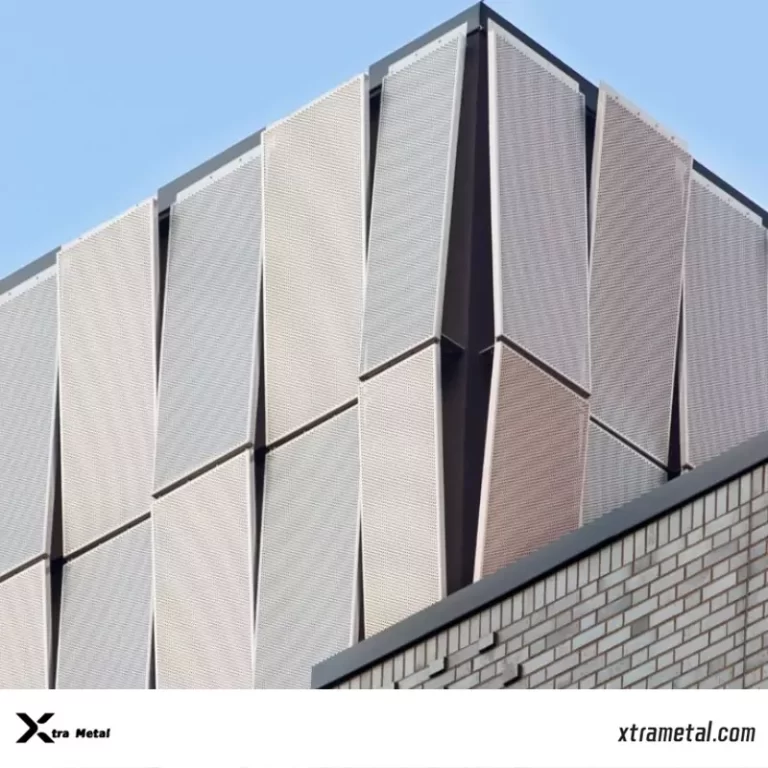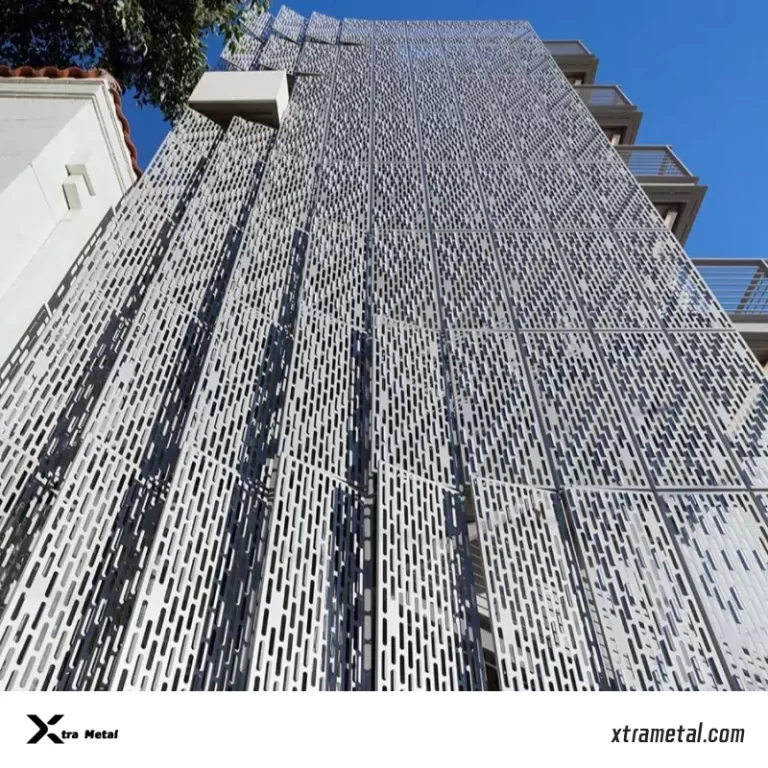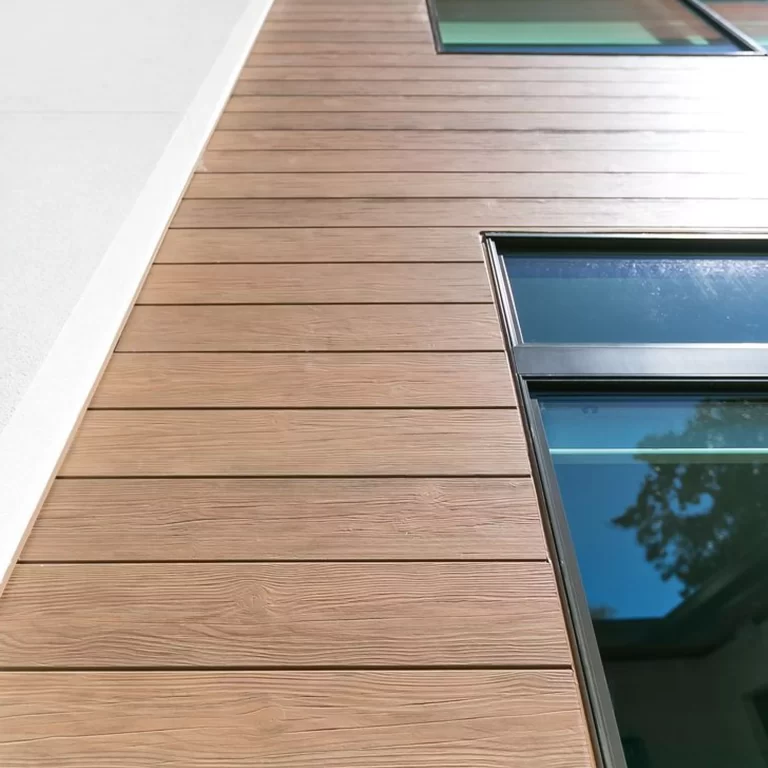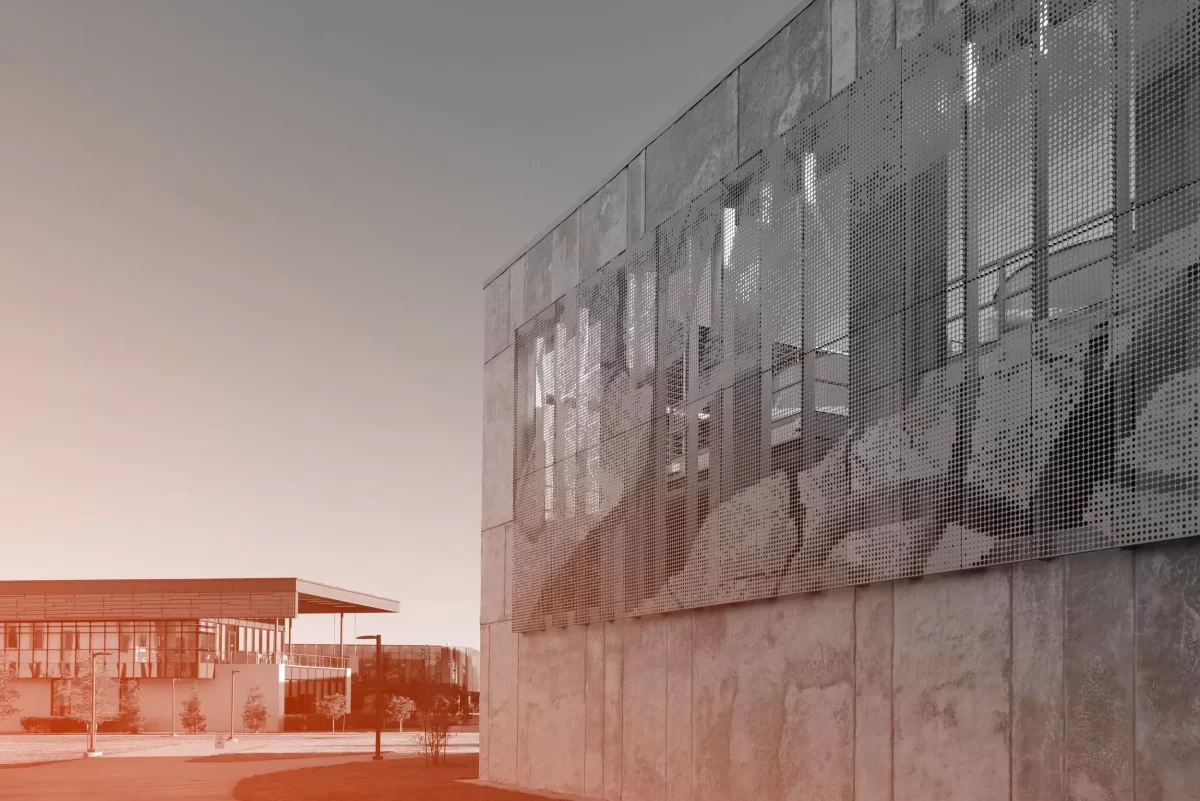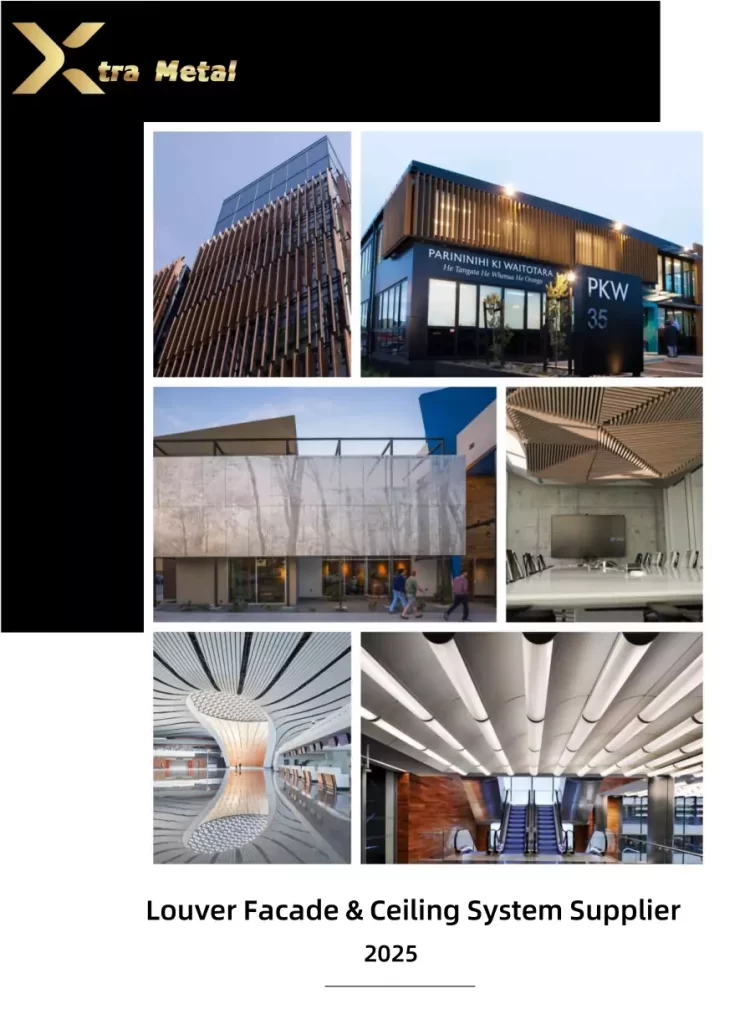
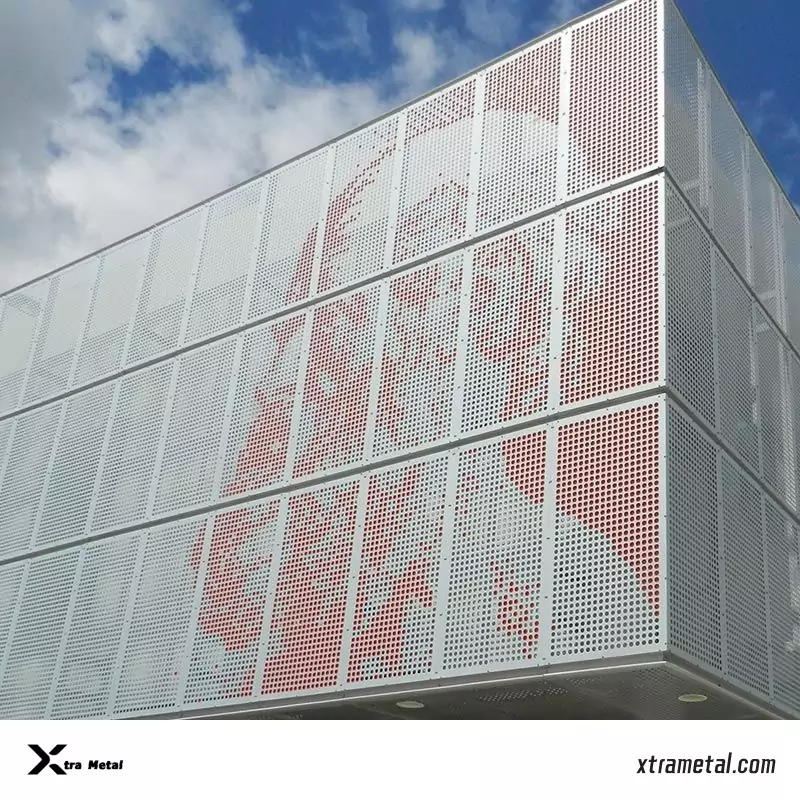
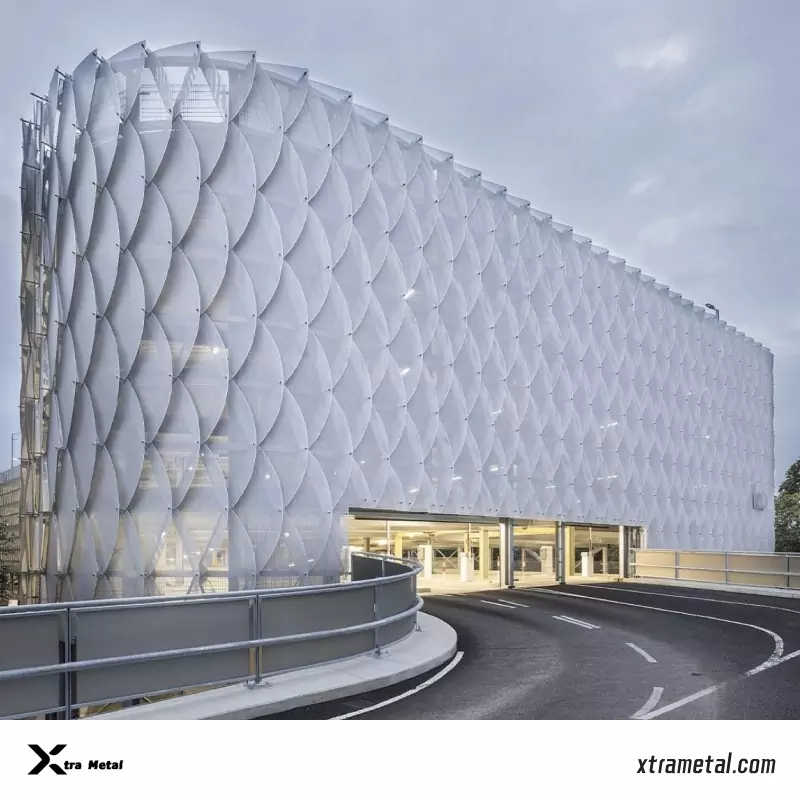
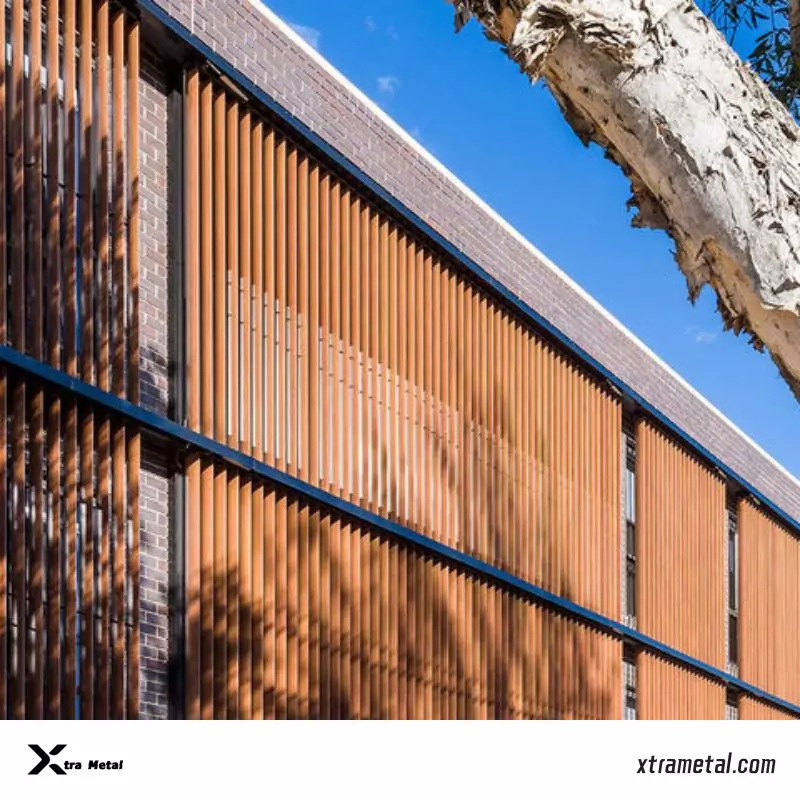
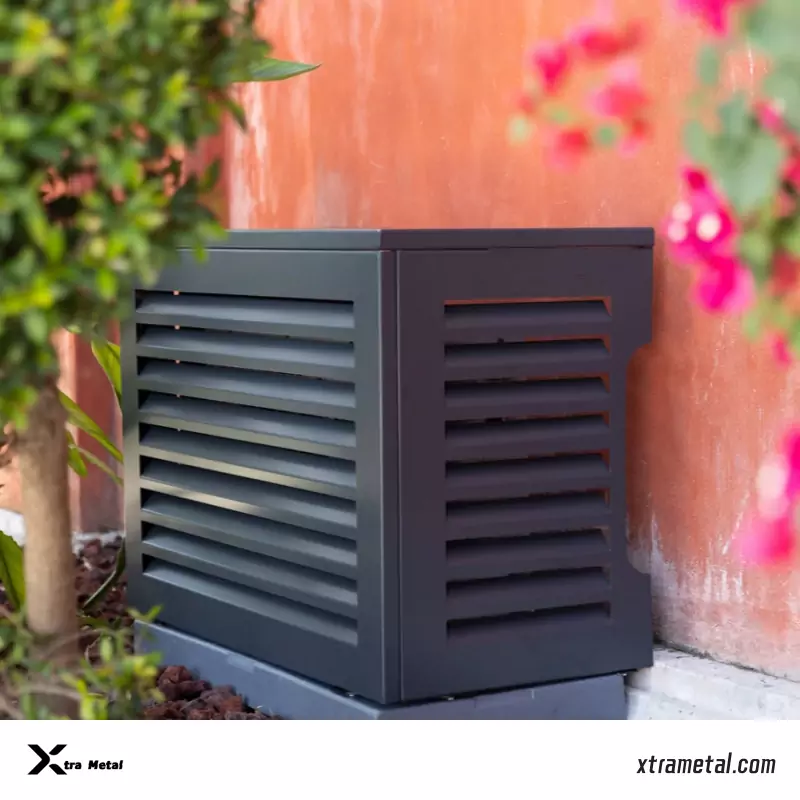
The most cost-effective exterior cladding typically uses aluminum composite panels (ACP) or thin-gauge roll-formed aluminum sheets. ACP balances affordability with lightweight durability, while roll-formed panels minimize material waste and labor costs. For budget-conscious projects, opt for standardized profiles and pre-coated finishes to avoid custom tooling expenses.
Key Takeaways
- UPVC and aluminum cladding is the cheapest choices. They are easy to put on walls. They keep your walls safe. They also make your house look new for a long time.
- You can save money if you put up cladding by yourself. Buy lots of materials at once to get a better price. Look for sales or used panels to spend less.
- Clean your cladding often to keep it strong. Fix any problems right away. This helps your cladding last longer. Your home will stay safe and look nice.
Affordable Cladding Options
If you want to save money, there are many cladding choices. Each material has its own good points for your project. You can pick UPVC and vinyl cladding, aluminum panels, or fiber cement cladding. These materials help you spend less and still make your walls look modern.
Aluminum Cladding Panels
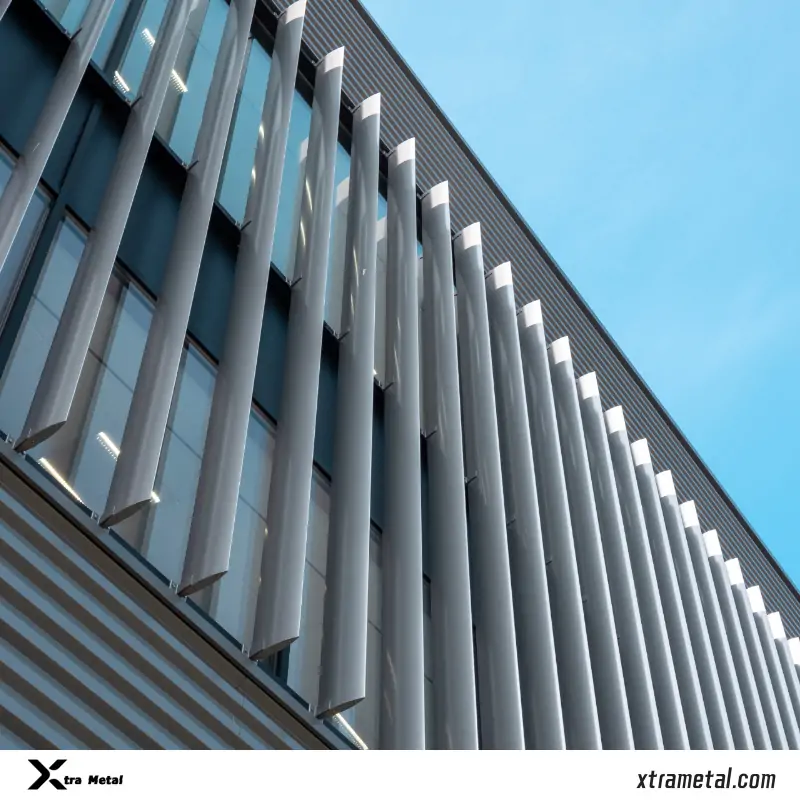
Aluminum panels are another cheap way to cover walls. They give your outside walls a smooth, modern look. Aluminum does not rust and can handle bad weather. You can use aluminum panels on sheds, garages, or houses.


Pros:
- Cheap price (about $3–$8 for each square foot)
- Light and easy to cut
- Does not burn and lasts a long time
- Modern look for outside walls
Cons:
- Can get dents if hit hard
- Might need new paint after many years
- Does not keep heat in as well as fiber cement cladding
Aluminum panels are good for people who like to do projects themselves. You can find them at mos
UPVC and Vinyl Siding
UPVC and vinyl cladding are some of the cheapest ways to cover outside walls. Many homes use vinyl cladding because it stands up to bad weather and needs little care. UPVC panels look modern and last a long time. You can put these up yourself with simple tools.
Pros:
- Low price for each square foot (about $2–$7)
- Light and simple to move
- Many colors and styles for a modern look
- Does not rot and keeps bugs and water out
Cons:
- Might crack if it gets very cold
- It can lose color after lots of suns
- Not as tough as fiber cement cladding
Tip: You can save more money if you buy vinyl cladding in large amounts or when stores have sales.
Vinyl cladding and UPVC panels are popular because you can put them up fast. Many people pick these for cheap cladding on outside walls.

Fiber Cement Boards
Fiber cement cladding is strong and gives a modern look to outside walls. This material is made from cement, sand, and fibers. It looks like wood or stone but costs less. Fiber cement cladding does not burn and keeps bugs and water away.
Pros:
- Medium price (about $5–$10 for each square foot)
- Very strong and lasts a long time
- Does not burn, rot, or get bugs
- Can look like wood, stone, or stucco
Cons:
- Heavier than vinyl or aluminum
- Needs special tools to cut
- Takes longer to put up
Note: Fiber cement cladding is best if you want a modern look and extra strength for your outside walls.
You can put up fiber cement siding yourself, but you might need help to lift the boards. Many people pick fiber cement cladding because it lasts a long time and does not need much care.
| Cladding Material | Cost per Sq. Ft. | Durability | DIY Friendly | Modern Look |
|---|---|---|---|---|
| UPVC/Vinyl Cladding | $2–$7 | Good | Yes | Yes |
| Aluminum Panels | $3–$8 | Good | Yes | Yes |
| Fiber Cement Cladding | $5–$10 | Excellent | Moderate | Yes |
All these cheap cladding choices are easy to find and put up. You can pick the best one for your needs and how much you want to spend. Each choice helps you save money and keeps your outside walls safe.

How to Clad Exterior Walls on a Budget
DIY Installation Steps
You can save money if you do the work yourself. First, measure your outside walls. Buy enough cladding panels to cover them. Clean the wall and fix any broken spots before starting. Put up a weatherproof barrier to keep water out. Use a level to draw straight lines for the first row. Attach the first panel at the bottom of the wall. Keep adding panels, making sure they overlap. Cut panels to fit around windows and doors. Check your work often to keep lines straight. This way works for vinyl, UPVC, and aluminum cladding.
Sourcing Materials Cheaply
You can spend less if you shop smart. Look for cheap cladding at hardware stores near you. Buy a lot at once to get lower prices. Watch for sales or discounts on vinyl and aluminum panels. Go to salvage yards to find used cladding. Sometimes, you can get leftover panels from other jobs. Ask friends or neighbors if they have extra panels. Check prices online before you buy anything. These tips help you find the best deals for your budget.
Cost-Saving Tips
You can save more money if you plan ahead. Measure your walls well so you do not waste panels. Keep extra cladding in a dry place. Use the right tools for the job. Follow the instructions from the maker for each cladding type. Do not rush when you put up the panels. Take your time so you do not make mistakes. Check your walls often for damage. Fix small problems fast to avoid bigger costs later. Pick cladding that fits your needs and the weather. This helps you cover your walls for less and keeps them looking nice for a long time.

Explore Our Systems
Affordable Solutions for Durability
Maintenance Needs
You want cladding that looks good without much work. Most cheap cladding only needs simple care. UPVC and vinyl cladding are easy to clean with soap and water. You can wipe them down a few times each year. Aluminum panels do not rust and just need a quick wash sometimes. If you see dents, you can fix them with easy tools. Fiber cement cladding is strong against storms and fire. You only need to clean it once in a while. For every type, look for cracks, mold, or bugs. Seal any holes to keep water out and protect your walls.
| Material | Maintenance Requirements | Additional Notes |
|---|---|---|
| UPVC | Needs little care; wipe or clean sometimes | Stays strong in wet weather, easy to keep clean |
| Vinyl | Needs little care; clean once in a while | Not too expensive, can last up to 20 years |
| Aluminum | Needs little care; does not rust, fix dents if needed | Light, does not rust, you can paint it |
| Fiber Cement | Needs little care; clean sometimes | Very strong, safe from fire and storms |
Tip: Clean your gutters and check caulking often. This helps your cladding last longer and keeps your walls looking good.
Lifespan Expectations
You want cladding that lasts a long time. UPVC and vinyl cladding can protect your walls for up to 20 years if you take care of them. Aluminum panels last even longer and do not rust. They protect your home from bad weather. Fiber cement cladding is very strong and can last over 30 years. It keeps your walls looking new. You get the best results if you follow care tips and fix small problems quickly.
FAQ
What is the cheapest cladding for exterior walls?
You can choose UPVC or vinyl cladding for the lowest cost. These materials offer easy installation, low maintenance, and good protection for your exterior walls.
Can you install cladding yourself?
You can install the most affordable cladding options yourself. Use basic tools, follow manufacturer instructions, and check your work often for best results.
How long does cheap cladding last?
You can expect UPVC and vinyl cladding to last up to 20 years. Aluminum panels last longer. Fiber cement boards can protect your walls for over 30 years.
Tip: Clean your cladding regularly to help it last longer and keep your home looking new.
At Xtra Metal Group, we optimize costs without compromising quality: our integrated supply chain ensures competitive pricing and 30+ years of engineering expertise allows precise material calibration (e.g., reducing panel thickness where structurally viable). We also offer value-engineered solutions like modular designs for faster installation. While prioritizing economy, we maintain corrosion resistance and seamless joints for lasting performance—critical for both residential and commercial applications globally.