
Внешняя облицовка стен: What It Is and What It’s For
Exterior wall cladding is the weatherproof skin fixed over a building’s structural frame. It sheds rain, wind and sun, and it decides how the building reads from the street. In Australia the term covers everything from aluminium panels to fibre cement sheets; in North America the same layer is called siding.

> Exterior wall cladding is a non-structural skin fixed to the outside of a building to shed weather and shape its appearance. It carries no load, which is the point: the frame handles weight, the cladding handles exposure. In Australia the word covers rainscreen systems, aluminium panels, fibre cement sheets, timber boards, brick and stone, while North America calls the same layer siding, which is why the two terms confuse international buyers. Choosing a cladding system means deciding how that outer skin will perform for decades under rain, UV and fire, not just how it looks on handover day.
The distinction between cladding and siding is mostly geography. Both describe the outer skin, but the thinking behind them differs. Australian commercial work treats cladding as part of a building envelope with compliance obligations, so a spec starts from non-combustibility and condensation management. North American siding is more often a residential weatherboard decision. If you are specifying for an Australian commercial or multi-residential project, you are in cladding territory, and the obligations that come with it are real. For a deeper definition, видеть what aluminium cladding is and where it sits in the building envelope.
A Four-Step Framework for Choosing Exterior Wall Cladding
Most guides list twelve materials and leave you to pick. This one runs a four-step decision chain instead: confirm compliance first, then match the environment, then set the budget, then account for maintenance. Run every candidate through the same four steps and the shortlist narrows itself.
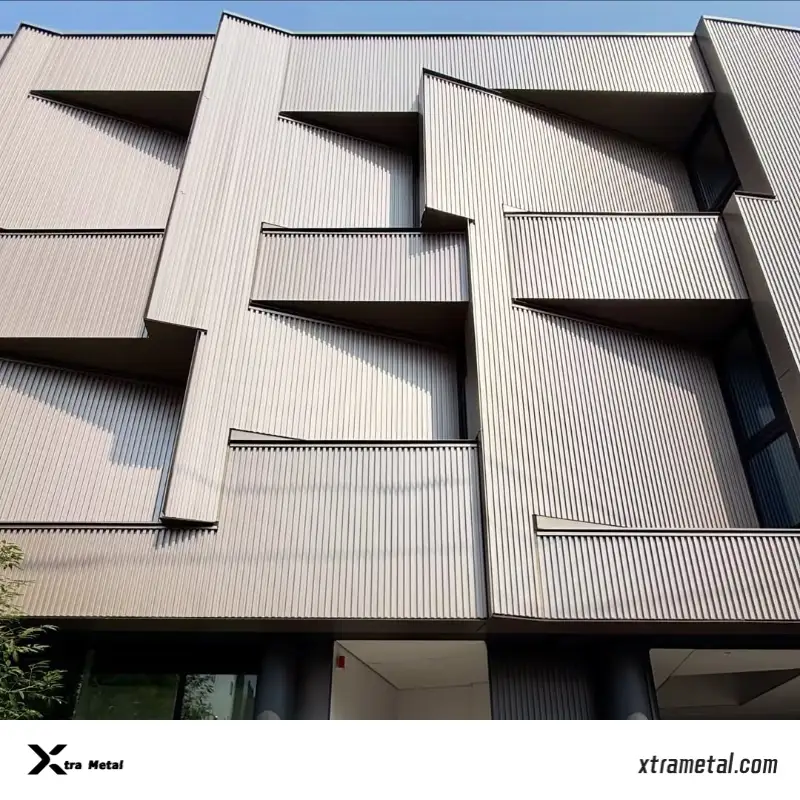
> The four steps for choosing exterior wall cladding run in a deliberate order: согласие, среда, бюджет, then maintenance. Compliance comes first because no finish, colour or cost matters if the material fails AS 1530.1 and cannot be used on a three-storey commercial building. Environment comes second because coastal salt and high UV eliminate finishes that would be fine inland. Budget follows, split into material, installation and lifecycle cost rather than a single square-metre rate. Maintenance comes last because it is the line that reverses a cheap upfront decision over twenty years. Skipping a step, or running them out of order, is how cladding choices go wrong.
The four steps filter out the wrong materials before you ever compare a price:
| Шаг | Question it answers | What it removes |
|---|---|---|
| 1. Согласие | Does the core clear AS 1530.1 and NCC 2025? | Combustible cladding, первый |
| 2. Среда | Coastal salt, high UV or bushfire exposure? | The wrong finishes |
| 3. Бюджет | Материал, installation and lifecycle cost together? | False bargains |
| 4. Обслуживание | What does it cost over 20 годы? | High-maintenance skins |
Start at compliance and work down. A material that fails step one never gets a price tag. A material that passes step one but needs repainting every five years will quietly fail step four. The rest of this guide walks the four steps in order.
Шаг 1: Compliance — AS 1530.1, NCC 2025 and the ACP Ban
Compliance is the first filter, not a detail you check at the end. In Australia that means the cladding core must be non-combustible under AS 1530.1, the wall must manage condensation the way NCC 2025 demands, and aluminium composite panels with a polyethylene core are off the table on most buildings since Grenfell.

> After Grenfell, Australian compliance for exterior wall cladding tightened around one test: КАК 1530.1, the non-combustibility test applied to the cladding material itself. Solid aluminium passes because the alloy itself is non-combustible; aluminium composite panels with a polyethylene core generally do not, which is why ACP use is restricted or banned on most Australian buildings. NCC 2025 adds a condensation requirement, typically a 12mm ventilated cavity behind the cladding so the wall dries instead of trapping moisture. The first question for any material is not price or colour, it is whether the core clears AS 1530.1 for your building type.
Here is the split that matters most. Solid aluminium panels are made from AA-grade 6063 сплав, and the material itself is non-combustible, which is why it clears AS 1530.1 and can be used on three-storey and taller buildings. Aluminium composite panel, or ACP, bonds two thin aluminium skins to a plastic core, and that core is where the fire risk lives. Since the Grenfell fire, most Australian states restrict or ban combustible ACP on multi-storey facades, and existing buildings are being re-clad. If your spec says “Алюминиевая облицовка” without saying which one, it is not yet a compliant spec. The full fire-side picture is in our fire-resistant aluminium cladding guide.
The Material Field: Алюминий, Fibre Cement, Древесина, Кирпич, Камень, Винил
Six materials dominate Australian exterior walls: aluminium, fibre cement, древесина, кирпич, stone and vinyl. None is universally best. Each one wins in one set of constraints and loses in another, so the material field only makes sense when you read it back through the four steps.

> The six common exterior wall cladding materials trade off differently. Aluminium is non-combustible, light and near maintenance-free, but its raw material cost sits above fibre cement and vinyl. Fibre cement is cheap and fire-rated but heavy, brittle on corners and needs repainting. Timber looks warm but needs periodic sealing and adds fire-engineering cost on commercial work. Brick is durable and thermally massive but slow to install. Stone lasts longest but costs the most. Vinyl is cheap and easy but softens in heat and performs worst in fire. The right material is the one whose weaknesses your project can tolerate.
The six materials in one view, read as strengths, weaknesses and best fit:
| Материал | Strengths | Weaknesses | Best fit |
|---|---|---|---|
| Алюминий | Невозможно, свет, низкое обслуживание | Higher material cost | Коммерческий, прибрежный, 3+ storeys |
| Fibre cement | Бюджетный, fire-rated | Тяжелый, нуждается в перекраске | Residential weatherboards |
| Древесина | Warm appearance | Запечатывание, fire engineering | Особенности стены, low-rise |
| Кирпич | Долговечный, тепловая масса | Slow to install, тяжелый | Ground-level, heritage |
| Камень | Longest life | Highest cost, масса | Prestige facades |
| Винил | Cheapest, Легкая установка | Heat, poor fire performance | Budget residential, US market |
Two of these need a closer look before you decide. For residential-scale choices, наш house cladding materials comparison runs the same six materials through a homeowner lens. For aluminium specifically, а aluminium cladding range shows where the material itself splits into solid panels, wood-look profiles and batten systems, each with its own compliance and cost profile.
Solid Aluminium vs ACP: The Difference That Matters
Two products share the name aluminium cladding and behave completely differently. Solid aluminium panels are a single sheet of alloy; aluminium composite panels sandwich a plastic core between two thin skins. The core is the difference, and it decides fire performance, durability and how the panel is fabricated.

> Solid aluminium cladding is a single sheet of 3003 или 5052 сплав, typically 1.5mm to 3.0mm thick, сложен, welded, punched and sanded into panels, which is why it stays non-combustible and can be curved. Aluminium composite panels bond two thin aluminium skins to a plastic core, lighter and flatter but combustible and prone to core failure in fire. For panels above 600mm by 800mm, solid panels also carry stiffening ribs spaced 550mm to 600mm apart with a 10mm to 15mm outdoor expansion gap, because aluminium moves with temperature and a large flat panel will oil-can without them. A quote that skips those ribs is the giveaway of a panel that will buckle.
The fabrication details are where cheap quotes hide. Solid panels are made from 3003 или 5052 alloy at 1.5mm to 3.0mm, резать, сложен, welded and finished into flat or curved panels. Above 600mm by 800mm, the panel needs stiffening ribs at 550mm to 600mm spacing, plus a 10mm to 15mm expansion gap outdoors for thermal movement. Australian standards also ban galvanised steel ribs: aluminium ribs cost far more than steel, but steel ribs rust through within about three years, so a low quote often means steel ribs that will fail behind a panel you cannot see. The same honest distinction runs through aluminium profiles: extruded 6063-T5 panels at 1.0mm to 2.0mm hold up to impact and outdoor use, while roll-formed panels at 0.5mm to 0.8mm belong on ceilings and high-level trims, not exterior walls. See the solid aluminium vs composite cladding comparison и types of aluminium cladding for the full field.
Шаг 2: Environment — Coastal, High-UV and Bushfire Zones
The same aluminium panel behaves differently on a Brisbane high-rise and a Broome beachfront. Environment decides the finish: powder coat lasts five to eight years, PVDF lasts fifteen to twenty in coastal UV, and woodgrain sublimation carries a fifteen-year fade warranty. Match the coating to the exposure.
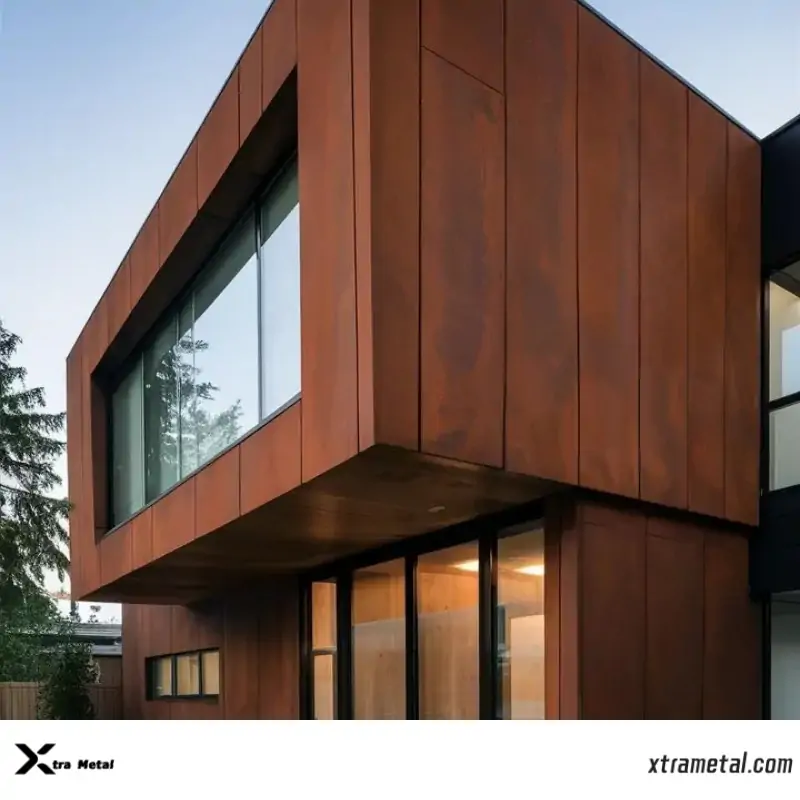
> Finish choice follows exposure. Powder coating runs five to eight years and suits sheltered inland walls. PVDF fluorocarbon, applied in a three-coat two-bake process, runs fifteen to twenty years and is the correct call for coastal salt spray and high UV, where it resists chalking and fade. Woodgrain sublimation is a vacuum transfer run at 160 к 180 degrees Celsius for 20 к 25 minutes under low vacuum, using PET transfer film 40 к 60 microns thick, and it delivers a timber look with a fifteen-year fade warranty. A project that spends on PVDF inland is over-specified; a project that specifies powder coat on a coastal facade is buying a repaint inside a decade.
The three finishes sit in clear performance tiers:
| Заканчивать | Service life | Лучше всего для | Relative cost |
|---|---|---|---|
| Powder coat (КПП) | 5-8 годы | Sheltered inland walls | Base |
| PVDF fluorocarbon | 15-20 годы | Прибрежный, high UV | Выше |
| Woodgrain sublimation | 15-year fade warranty | Timber look, any exposure | Премиум |
Woodgrain is the finish worth understanding before you dismiss it as a styling option. The timber pattern is transferred in a vacuum chamber at 160 к 180 degrees Celsius, held for 20 к 25 минуты, which is a real second process line after coating, not a printed sticker. That is why it costs more than a plain colour, and why it holds up on a coastal facade where real timber would grey and warp. For the powder-versus-anodised question that comes up on commercial facades, а anodised vs powder coated comparison lays out the two competing approaches.
Шаг 3: Budget — Material vs Installation vs Lifecycle Cost
Price per square metre is the least useful number in cladding. Australian installers charge $55 к $80 an hour, so a panel that is $20 cheaper in material but takes installers an extra half hour per square metre costs the project more once labour lands. Split the budget into material, installation and lifecycle.

> Cladding budget should be read as three lines, not one. Material cost is what the panel leaves the factory at. Installation cost is driven by Australian labour at $55 к $80 an hour, where a slow fixing system burns the saving from a cheaper panel within a day. Lifecycle cost is what maintenance and replacement add over twenty years, and it is the line that quietly reverses the material ranking. A panel that is $20 cheaper per square metre but takes installers an extra half hour per square metre costs $40 к $60 more by the time labour lands. Cheap is a property of the system, not the sticker.
The triangle works like this. Material cost is the number everyone quotes, and the one that matters least. Installation cost is where a project is won or lost at Australian rates: a system that goes up fast returns its material premium within days. Lifecycle cost is the twenty-year line where aluminium, with a fifteen-year warranty on finish and fade, quietly undercuts materials that need repainting or replacement. If you only compare material prices, you are comparing the wrong three numbers. For the material-cost side in detail, а Ориентировочная стоимость алюминиевой облицовки breaks down where the money actually goes.
Шаг 4: Maintenance — What Each Material Costs Over 20 Годы
Maintenance is where aluminium repays its higher material cost. Timber needs periodic sealing, fibre cement needs repainting, and aluminium needs a wash. A woodgrain powder-coated aluminium panel carries a fifteen-year warranty on coating and fade, so the maintenance line over twenty years is close to zero.

> Over twenty years the maintenance line decides who actually paid less. Timber cladding needs sanding and resealing every few years, on a scaffold, with labour at $55 к $80 an hour, and it degrades under UV and humidity. Fibre cement weatherboards need repainting on a similar cycle. Aluminium needs cleaning and little else: a woodgrain powder-coated panel carries a fifteen-year warranty on coating and fade resistance, verified in Australian conditions, and stays non-combustible for the life of the building. The material that cost less at the first invoice is rarely the one that cost less at year twenty.
The maintenance ledger has three lines timber and fibre cement keep paying, and aluminium does not:
- Recoating: sealing or repainting every few years, on access equipment, at $55 к $80 an hour.
- Degradation: UV and humidity fade timber and weatherboards, so sections get replaced early.
- Согласие: timber adds fire-engineering cost on commercial work, aluminium does not.
А “how long before it fades” question has a direct answer for aluminium: the woodgrain powder coat carries a fifteen-year warranty against fade, and the underlying panel does not rot, warp or need resealing. How the panel goes up also affects how long it lasts, which is covered in the aluminium cladding installation guide.
How to Choose Your Supplier and Get an Accurate Estimate
A supplier is a compliance and logistics decision as much as a material one. Ask for AS 1530.1 documentation, a delivery window and a door-to-door price, then send your panel size, finish and square metres and expect two or three workable schemes back instead of a wall of “contact us”.
> Choosing a cladding supplier means checking three things beyond the panel itself. Первый, compliance evidence: КАК 1530.1 test documentation you can hand to a building surveyor. Second, delivery certainty: production runs about 10 к 12 days and sea freight to Australia another 30 к 35 дни, so confirm the timeline and whether the price is DDP door-to-door with duty included. Third, freight logic: keeping panel lengths within 3 metres cuts shipping cost on Australian projects. A supplier who answers all three with numbers is the one worth a costing.
Send those three checks plus your panel size, finish and square metres, and a competent supplier returns two or three workable schemes, not a contact-us wall. Start with the exterior wall metal cladding line, and if you want to benchmark suppliers before committing, а aluminium cladding manufacturers guide profiles the field. When your shortlist is down to two or three, request a costing and ask each supplier to itemise the same variables so the numbers are actually comparable.
Рекомендуемые продукты
- Наружная стена металлическая облицовка – non-combustible metal panels engineered for Australian building envelopes.
- Exterior Aluminium Cladding & Solid Facade Panel System – твердый 3003/5052 alloy panels from 1.5mm to 3.0mm for flat or curved facades.
- Декоративная оболочка на стенах экстерьер – weather-resistant decorative cladding for statement facades.
- Алюминиевая деревянная облицовка – timber appearance with aluminium durability and a 15-year fade warranty.
- Внешняя древесная облицовка Batten – batten-style timber-look cladding that withstands the elements.
- Черная алюминиевая оболочка – sleek solid aluminium panels for modern commercial and residential facades.